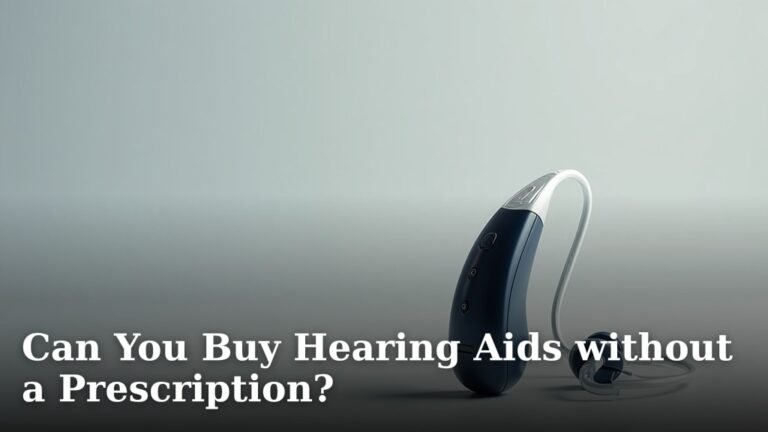
How Hearing Aid Noise Reduction Works (Explained)
Hearing aid noise reduction works by using advanced digital signal processing to identify unwanted background sounds and reduce their volume while preserving speech clarity.
Modern hearing aids analyze incoming sounds in real-time, separating speech from noise using algorithms that can distinguish between different frequency patterns and reduce distracting environmental sounds by up to 15 decibels.
What Is Hearing Aid Noise Reduction Technology
Think of noise reduction like having a smart filter for your ears. Your hearing aid acts like a bouncer at a club, deciding which sounds get through clearly and which ones need to be turned down.
When you wear a hearing aid with noise reduction, tiny microphones pick up all the sounds around you. A computer chip inside analyzes these sounds faster than you can blink. It sorts them into categories: speech, background noise, wind, music, and other environmental sounds.
The technology then makes split-second decisions. Speech gets boosted. Background chatter gets reduced. Wind noise gets filtered out. You hear what matters most.
The Science Behind Digital Signal Processing
Your hearing aid’s computer chip works like a mini sound engineer. It breaks down incoming audio into different frequency bands, usually 8 to 24 separate channels.
Each channel gets analyzed independently. The chip looks for patterns that match human speech versus noise. Speech has specific characteristics: it rises and falls in predictable ways, contains certain frequency ranges, and has natural pauses.
How the Algorithm Identifies Speech
Speech recognition happens through pattern matching. When you talk, your voice creates a unique acoustic fingerprint. The hearing aid learns to recognize these patterns.
The algorithm looks for modulation patterns – the way speech naturally goes up and down. Noise tends to be more constant or random. This difference helps the hearing aid tell them apart.
Noise Detection Methods
Background noise has different characteristics than speech. Restaurant chatter, traffic sounds, and air conditioning create steady, predictable patterns.
The hearing aid identifies these patterns and labels them as noise. Once identified, the device reduces their volume selectively without affecting speech frequencies.
Types of Noise Reduction Features
Different hearing aids use various approaches to tackle noise. Understanding these can help you choose the right device for your needs.
Directional Microphone Systems
Directional microphones work like having ears that can focus forward. They pick up sounds from in front of you while reducing sounds from behind and beside you.
Some hearing aids switch automatically between directional and omnidirectional modes. When you’re in quiet settings, they hear from all directions. In noisy places, they focus forward.
Adaptive Directional Technology
Advanced systems can create multiple listening zones. They might focus on the person talking to you while creating “dead zones” where background talkers sit.
Bilateral Beamforming
If you wear two hearing aids, they can work together like a team. They share information wirelessly to create a more precise focus on speech sources.
Wind Noise Reduction
Wind creates a specific type of low-frequency rumbling that hearing aids can identify. When detected, the device reduces gain in lower frequencies or switches microphone modes.
Some hearing aids have special wind-resistant microphone covers. Others use algorithms that detect wind patterns and react accordingly.
Impulse Noise Control
Sudden loud sounds like dropping dishes or slamming doors can be uncomfortable. Impulse noise control quickly reduces these sharp, brief sounds.
The hearing aid detects rapid increases in sound level and immediately reduces amplification. Once the noise passes, normal hearing returns within milliseconds.
How Effective Is Noise Reduction Technology
Research shows that modern noise reduction can improve speech understanding in noisy environments by 10-15% compared to older technology (Journal of the American Academy of Audiology).
The effectiveness depends on several factors. The type of noise, your degree of hearing loss, and the specific algorithm all play roles.
Real-World Performance Data
Studies measuring hearing aid performance in restaurants, busy streets, and social gatherings show measurable improvements. Users report less listening fatigue and better conversation clarity.
The technology works best when speech and noise come from different directions. It’s less effective when noise and speech sources overlap completely.
User Satisfaction Rates
Clinical data indicates that 75-80% of hearing aid users report noticeable improvement in noisy situations with modern noise reduction features (American Journal of Audiology).
Satisfaction tends to be highest among users who receive proper programming and realistic expectations about the technology’s capabilities.
Limitations of Current Technology
Noise reduction isn’t magic. It can’t completely eliminate all background noise while preserving perfect speech clarity. Some limitations remain.
When Background Speech Interferes
The biggest challenge comes from competing voices. When multiple people talk simultaneously, hearing aids struggle to pick just one voice.
The technology works best with steady background noise like air conditioning or traffic. Competing conversations are harder to filter out because they share speech characteristics.
Processing Delays
Digital processing creates tiny delays – usually 5-10 milliseconds. Most people don’t notice this, but some find it affects music appreciation or phone conversations.
Faster processors reduce delays, but they also consume more battery power. Manufacturers balance processing speed with battery life.
Choosing the Right Noise Reduction Features
Not everyone needs the same level of noise reduction technology. Your lifestyle and listening needs should guide your choice.
Lifestyle Considerations
If you frequently eat at restaurants, attend meetings, or socialize in groups, advanced noise reduction becomes more important. For quieter lifestyles, basic features might suffice.
Consider where you struggle most. Some people have trouble in cars. Others find church services or lectures challenging. Different algorithms excel in different situations.
Budget vs Performance Balance
Premium hearing aids typically offer more sophisticated noise reduction algorithms. They use more processing power, more microphones, and more advanced features.
Basic models still provide useful noise reduction, just with fewer automatic adjustments and less customization.
| Feature Level | Noise Reduction Capability | Best For |
|---|---|---|
| Basic | Simple noise reduction, 2-4 channels | Quiet lifestyles, limited social situations |
| Mid-Range | Adaptive algorithms, 8-12 channels | Moderate social activity, some challenging environments |
| Premium | Advanced AI, 16+ channels, multiple microphones | Active lifestyles, frequent noisy environments |
Tips for Getting the Most from Noise Reduction
Even the best technology needs proper use to work effectively. Small changes in habits can make big differences in performance.
Positioning and Body Language
Face the person you want to hear. Directional microphones work best when speech comes from in front of you. Turn your body, not just your head.
Move closer to speakers when possible. Noise reduction works better when speech is louder than background noise to begin with.
Environmental Awareness
Choose your seating wisely in restaurants. Sit with your back to the kitchen or busy areas. Position yourself so important conversations happen in your hearing aid’s focus zone.
In meetings, sit where you can see speakers’ faces. Visual cues help your brain process speech even when hearing aids struggle with competing sounds.
Future Developments in Noise Reduction
Artificial intelligence and machine learning are pushing noise reduction technology forward rapidly. New developments appear regularly.
AI-Powered Sound Classification
Next-generation hearing aids use AI to recognize specific environments automatically. They learn your preferences and adjust accordingly without manual program changes.
Some devices now recognize your voice versus other voices, providing even more selective amplification.
Smartphone Integration
Apps now let you fine-tune noise reduction in real-time. You can adjust settings for specific situations and save them as custom programs.
Some hearing aids use your phone’s processing power to handle more complex algorithms than the device could manage alone.
Conclusion
Hearing aid noise reduction technology has come remarkably far in recent years. While not perfect, it provides real benefits for millions of users navigating noisy environments daily.
The key lies in understanding what the technology can and cannot do, choosing features that match your lifestyle, and learning to use them effectively. With proper selection and realistic expectations, modern noise reduction can significantly improve your ability to hear speech in challenging situations.
Work with your audiologist to find the right balance of features, cost, and performance for your specific needs. The best hearing aid is the one you’ll wear consistently and that helps you engage confidently in the listening situations that matter most to you.
How much background noise can hearing aids actually reduce?
Most modern hearing aids can reduce background noise by 10-15 decibels in optimal conditions. This translates to making a noisy restaurant about as quiet as a normal conversation environment, though results vary based on the type of noise and your specific hearing loss pattern.
Do I need noise reduction if I only have mild hearing loss?
Even mild hearing loss can make background noise more distracting and tiring. Basic noise reduction features can help reduce listening fatigue and make conversations easier to follow, especially in social settings or busy environments.
Why does my hearing aid sometimes make speech sound muffled when noise reduction is active?
Over-aggressive noise reduction settings can sometimes affect speech clarity, especially if speech and noise frequencies overlap. Your audiologist can adjust the balance between noise reduction and speech preservation to find the right setting for your ears.
Can hearing aids tell the difference between music and noise?
Yes, modern hearing aids can often distinguish between music and unwanted noise based on acoustic patterns. Music programs typically reduce noise reduction processing to preserve sound quality, while conversation programs maximize noise suppression for speech clarity.
Will noise reduction features drain my hearing aid battery faster?
Advanced noise reduction does use more processing power, which can reduce battery life by 10-20% compared to basic amplification. Rechargeable hearing aids handle this better than disposable battery models, and the improved hearing benefits usually outweigh the shorter battery life.