Does CVS Sell OTC Hearing Aids?
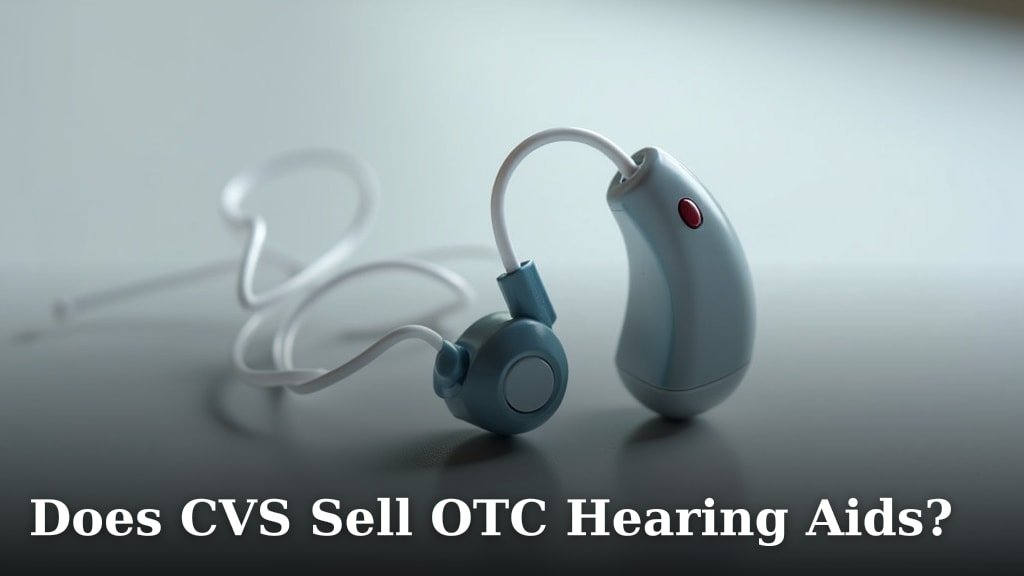
Yes, CVS sells OTC hearing aids in many of its physical stores and online. You can find several models designed for mild to moderate hearing loss right on their shelves.
These devices are now available over the counter, meaning you don’t need a doctor’s visit or prescription. We found that this makes them a more accessible starting point for many people.
- CVS offers FDA-regulated over-the-counter (OTC) hearing aids.
- Available models include brands like Sony, Lexie, and CVS Health.
- You can purchase them in-store or through the CVS website.
- Prices typically range from a few hundred to several hundred dollars.
- Remember, these are for mild to moderate hearing loss only.
Let’s walk through exactly what CVS offers and how you can choose the right pair for you.
What CVS Offers: A Look at the Brands and Models
When you walk into CVS, you won’t find a single “hearing aid aisle” with one option. Instead, you’ll see a dedicated section, usually near the pharmacy or in the personal care area. Here, you’ll discover a curated selection of FDA-regulated OTC devices. The most common brands you’ll find on the shelf are Lexie (powered by Bose) and the store’s own CVS Health brand. Online, the selection often expands to include models from Sony.
Lexie Hearing Aids
These are a popular choice you’ll see advertised. Lexie’s main appeal is the collaboration with Bose, a name people know for good sound. Many of their models are designed to be discreet and rechargeable. We found that users often appreciate the companion app, which lets you fine-tune settings right from your smartphone. They are a solid mid-range option that balances price and performance.
CVS Health OTC Hearing Aids
This is the store’s own line, often made by a manufacturer like Hearcom. The big draw here is typically affordability. If you’re trying hearing aids for the first time and want to test the waters without a huge investment, this brand is worth a close look. They cover the basics well, helping you amplify conversations and everyday sounds.
Sony OTC Hearing Aids
You’re most likely to find Sony’s models on CVS.com. Sony brings its audio engineering expertise to the hearing aid space. Their devices often feature advanced sound processing and a sleek design. For someone who values brand familiarity and high-tech features, Sony’s offering at CVS might be the perfect fit.
How to Choose the Right Pair at CVS
Staring at the box and wondering, “Is this the one for me?” It’s a normal feeling. The key is to match the device to your specific lifestyle and hearing needs. Don’t just grab the first box you see. Take a moment to consider a few important factors.
Step 1: Understand Your Hearing Loss Level
This is the most critical step. OTC hearing aids from CVS are explicitly designed for adults with perceived mild to moderate hearing loss. What does that mean in plain English? It means you struggle in certain situations, like understanding speech in noisy restaurants or when someone is talking from another room. If you can’t hear loud sounds or have sudden changes in your hearing, these devices are not for you. The National Institutes of Health (NIH) stresses that a professional evaluation is essential for severe loss.
Signs That OTC Might Work for You
- You often ask people to repeat themselves in group settings.
- Television volume debates are common in your household.
- You can hear sounds, but words aren’t always clear.
Signs You Should See an Audiologist Instead
- You experience pain or drainage in your ears.
- You have a history of ear infections or sudden hearing loss.
- You hear a constant ringing (tinnitus) that doesn’t go away.
Step 2: Consider Your Tech Comfort Level
Are you the kind of person who loves tweaking settings on a new gadget? Or do you want something that works right out of the box? Many Lexie and Sony models have detailed smartphone apps. The CVS Health brand may offer simpler, more straightforward controls. Ask yourself honestly: will you use the app features, or will they just frustrate you?
Step 3: Evaluate Comfort and Fit
Hearing aids are like shoes—they need to fit well to be useful. CVS models come with different tip sizes and styles. Some sit behind the ear, while others are entirely in the ear canal. The goal is a secure, comfortable fit that doesn’t hurt or fall out during the day. Most CVS stores have models you can try on for size before you buy. Spend time with it. Walk around. Simulate a phone call. Does it feel right?
The CVS Shopping Experience: What to Expect
Buying a hearing aid at CVS is different from buying a bottle of shampoo. The experience combines retail convenience with a touch of healthcare shopping. Knowing what to expect can make the process smoother and less stressful.
In-Store Purchase
When you buy in a physical CVS location, the process is straightforward. A pharmacy technician can answer basic questions about the models in stock. However, remember that they are not audiologists. They can help you with the purchase, but they cannot perform a hearing test or medically diagnose you. Some stores have a display unit you can handle and examine. This tactile experience can be very helpful.
Buying Online
Ordering from CVS.com gives you more time to research. You can read detailed specifications and customer reviews at your own pace. The downside is that you can’t try them on before they arrive. It’s important to know CVS’s return policy for hearing aids. Many people find they need to exchange tip sizes, so a good return policy is your best friend.
How Do OTC Hearing Aids Compare to Prescription Models?
This is a question on many people’s minds. OTC hearing aids at CVS are not the same as the prescription devices you get from an audiologist. Here’s a clear breakdown of the main differences.
| Feature | OTC Hearing Aids (CVS) | Prescription Hearing Aids |
|---|---|---|
| Intended Use | Mild to moderate hearing loss | Mild to profound hearing loss |
| Required Test | No | Yes, from a licensed audiologist |
| Fitting Process | Self-fitting, with app guidance | Professionally fitted and calibrated |
| Price Point | Typically $200 to $800 per device | Typically $1,000 to $3,000+ per device |
| Advanced Features | Basic to moderate sound customization | Highly sophisticated sound processing |
| Professional Support | Limited, mostly DIY | Ongoing support and adjustments |
The FDA created the OTC category to lower the barrier to entry. Many experts at the American Speech-Language-Hearing Association (ASHA) see them as a great first step for adults who suspect they have mild loss and are hesitant to commit to the full prescription process.

Real-World Tips for Your CVS Hearing Aid Journey
Okay, you’re ready to take the leap. How can you set yourself up for success? We’ve gathered practical advice that goes beyond the instruction manual.
Manage Your Expectations
OTC hearing aids are not a cure for hearing loss. They are amplifiers. They make sounds louder. It takes time for your brain to re-learn how to process sound with them. The first few days might feel overwhelming or “tinny.” Give yourself at least two weeks of consistent wear before judging.
Use the Free Resources
Many OTC brands, including those at CVS, offer complimentary telehealth support. You can often talk to a hearing specialist via a video call to help with your initial setup. This is a hugely valuable perk. Don’t be shy about using it.
Think About Your Daily Routine
Where will you use these most? If it’s primarily for TV and family dinners, a basic model may suffice. If you want to use them at work or in many social settings, investing in a model with better noise reduction features will be worth every penny.
Your Pre-Purchase Checklist
Before you head to the store or click “add to cart,” run through this quick checklist. It covers the essentials to ensure you’re making a smart, informed choice.
- I have honestly assessed that my hearing difficulty is likely mild to moderate.
- I have checked my CVS’s inventory online or by calling to confirm they have the brand I’m interested in.
- I have considered my comfort with technology and chosen a model that matches my preference.
- I understand the 30-day (or applicable) return policy for my location.
- I have realistic expectations and am ready to be patient with the adjustment period.
So, to circle back to our starting point: yes, CVS provides a legitimate and accessible entry point into the world of hearing aids. They have removed many of the traditional hurdles—like the need for a prescription—and put the power in your hands. The most important next step is yours to take.
Conclusion
So, to put it simply, CVS is a solid and convenient spot to get your first pair of OTC hearing aids. You have access to FDA-regulated options from brands like Lexie and Sony, all without needing a prescription. The key is matching the right device to your specific mild to moderate hearing loss and lifestyle. Remember, these are amplifiers, not a cure, so giving yourself time to adjust is important. Your next step is clear: head to your local CVS or check their website to see the models in stock. Try them on, ask questions, and take that first step toward hearing the world a little more clearly.
Frequently Asked Questions
Do I need a doctor’s note to buy hearing aids at CVS?
No, you do not. CVS sells FDA-regulated over-the-counter (OTC) hearing aids. These are designed for adults with perceived mild to moderate hearing loss and can be purchased directly without a prescription or doctor’s visit.
What is the typical price range for hearing aids at CVS?
The cost varies by brand and features. We found that prices usually range from about $200 to $800 per device. The CVS Health brand tends to be more affordable, while models from Sony or Lexie may be on the higher end.
Can I return hearing aids to CVS if they don’t work for me?
Yes, CVS generally has a return policy for hearing aids. It’s crucial to check the specific return window for your location, often around 30 days. This allows you to test the fit and function and make an exchange if needed.
Are the hearing aids at CVS suitable for severe hearing loss?
No, they are not. The OTC hearing aids sold at CVS are explicitly for mild to moderate hearing loss. If you have severe loss, sudden changes, or experience pain, you should consult an audiologist for prescription devices.
Does CVS offer any support for setting up my new hearing aids?
Many brands sold at CVS provide complimentary telehealth support. You can often connect with a hearing specialist via video call for help with initial setup and fine-tuning, which is a great resource to use.
