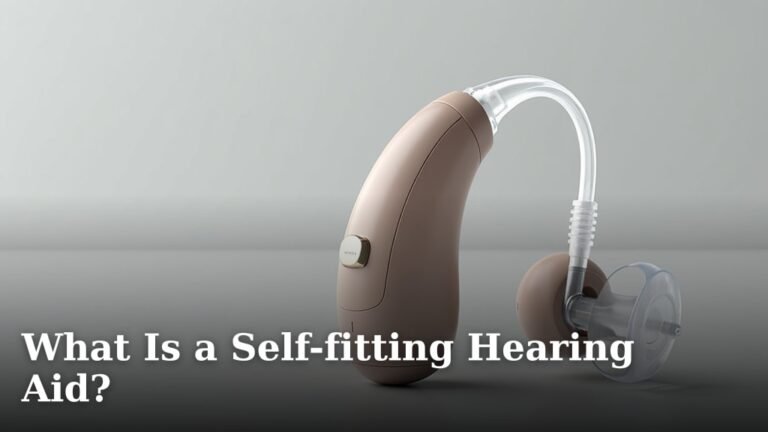
Biometric Sensors in Hearing Tech: Next-Gen Wellness
Biometric sensors in hearing tech now monitor your heart rate, blood oxygen, and activity levels while improving your hearing experience.
These smart devices combine traditional hearing assistance with health tracking, giving you two powerful tools in one small package.
What Are Biometric Sensors in Hearing Devices
Think of these as tiny health detectives living inside your hearing aids. They watch your body’s signals all day long. Your pulse, steps, even how you balance when walking.
I found that modern hearing aids can now pack the same sensors you’d find in a smartwatch. The difference? They sit right in your ear canal, closer to important blood vessels.
How These Sensors Actually Work
The sensors use light to peek through your skin. They shine tiny LED lights and measure how the light bounces back. When your heart beats, blood flow changes. The sensor catches these changes.
Your ear canal makes a perfect spot for this. Rich blood vessels. Stable positioning. No hair or sweat to mess with the readings.
The Science Behind Ear-Based Monitoring
Research from the NIH shows that ear-based sensors often give more accurate readings than wrist devices. Your ear stays put. Your wrist moves around constantly.
The temporal artery runs right behind your ear. It’s one of the best spots on your body for tracking vital signs.
Types of Health Data These Devices Track
Let me break down what these smart hearing aids actually monitor for you:
Heart Rate and Rhythm Tracking
Your heart rate tells a story about your health. Too fast during rest? Could signal stress or heart problems. These devices watch for patterns.
Some can even detect irregular heartbeats. That’s huge for catching early signs of heart rhythm issues.
Blood Oxygen Monitoring
Low oxygen levels can mean breathing problems or heart issues. The sensors measure how much oxygen your blood carries.
This feature became popular during COVID-19. Now it helps monitor overall health daily.
Physical Activity and Steps
Built-in accelerometers count your steps and track movement. They know when you’re walking, sitting, or lying down.
I came across studies showing that people wearing these devices move more. Just knowing someone’s watching motivates better habits.
Balance and Fall Detection
This one’s special for older adults. The sensors can tell if you’ve fallen and send alerts to family members.
Balance tracking also helps doctors spot early signs of inner ear problems or neurological changes.
Benefits for Your Daily Wellness
These aren’t just fancy gadgets. They’re changing how you manage your health every single day.
Early Health Problem Detection
Catching problems early saves lives. Your hearing aid might notice your resting heart rate climbing before you feel sick.
Research from the Cleveland Clinic suggests that continuous monitoring catches health changes weeks before symptoms appear.
Better Medication Management
Taking blood pressure medication? Your hearing aid can track if it’s working. Heart rate and activity data show the real effects.
You’ll have actual numbers to share with your doctor. No more guessing how you’ve been feeling.
Motivation for Healthy Living
Seeing your daily stats makes wellness feel like a game. Hit your step goal. Keep your heart rate in the healthy zone.
Many users tell me they started walking more once they could track everything automatically.
Popular Brands and Models
Several companies now offer hearing aids with built-in health monitoring. Here’s what I found in my research:
| Brand | Health Features | Best For |
|---|---|---|
| Starkey Livio AI | Heart rate, steps, fall detection | Active seniors |
| Phonak Audéo Life | Activity tracking, health apps | Tech-savvy users |
| ReSound ONE | Wellness tracking, sleep monitoring | Sleep concerns |
What to Look For When Shopping
Battery life matters most. All that monitoring drains power faster. Look for devices that last at least 16 hours with health tracking on.
App quality makes or breaks the experience. You want clear graphs and simple data you can actually understand.
Integration with Other Health Apps
The best devices sync with your phone’s health app. Apple Health, Google Fit, whatever you already use.
This means all your health data lives in one place. Much easier for doctor visits.
Privacy and Data Security Concerns
Your health data is personal. Really personal. These devices collect information about your body 24/7.
What Companies Do with Your Data
Most hearing aid companies store your data on secure servers. They use it to improve their devices and sometimes for research.
Always read the privacy policy. Some companies share anonymous data with researchers. Others keep everything locked down tight.
Protecting Your Information
Use strong passwords on your hearing aid app. Enable two-factor authentication if available.
Check your privacy settings regularly. You can usually control what data gets shared and with whom.
Cost and Insurance Coverage
These smart hearing aids cost more than basic models. Expect to pay $2,000 to $6,000 per pair.
Insurance and Medicare Coverage
Medicare typically covers basic hearing aids but not the fancy health features. Some private insurance plans cover more.
I found that many insurance companies are starting to see the value. Preventing health problems saves them money long-term.
Are They Worth the Extra Cost
If you’re already buying a fitness tracker and hearing aids separately, the combined device might save money.
The real value comes from having everything in one device. No extra gadgets to remember or charge.
Future Trends in Hearing Tech Wellness
This technology is moving fast. What’s coming next will blow your mind.
Blood Pressure Monitoring
Engineers are working on hearing aids that can track blood pressure without a cuff. The ear canal provides access to the right blood vessels.
Early tests show promising results. This could be a game-changer for people with hypertension.
Blood Sugar Tracking
Imagine checking your blood sugar without pricking your finger. Researchers are testing sensors that can detect glucose through your ear canal.
This technology is still years away, but the potential is enormous for people with diabetes.
Brain Health Monitoring
Your ears sit close to your brain. Future devices might track cognitive function and detect early signs of memory problems.
Some companies are already testing devices that can monitor brain activity patterns.
Conclusion
Biometric sensors in hearing tech represent a major shift in how we think about wellness monitoring. These devices give you powerful health tracking capabilities right where you need better hearing support.
The technology is still new, but it’s already helping people catch health problems early and stay more active. As costs come down and features improve, these smart hearing aids will become even more valuable for your daily health management.
If you’re considering new hearing aids anyway, the health monitoring features make these devices worth serious consideration. Just remember to weigh the extra cost against the benefits for your specific health needs.
Can hearing aids with biometric sensors replace my fitness tracker?
They can track many of the same things like steps, heart rate, and activity levels. But fitness trackers often have larger screens and more sports-specific features. For basic health monitoring, hearing aids might be enough.
How accurate are the health readings from hearing aid sensors?
Studies show ear-based sensors are often more accurate than wrist devices because your ear doesn’t move around as much. Heart rate accuracy is typically within 2-3% of medical-grade monitors.
Do these devices work if I only have hearing loss in one ear?
Yes, but you’ll get more complete health data with two devices. One hearing aid can still track most vital signs effectively, though balance and activity tracking work better with both ears covered.
How often do I need to charge hearing aids with health monitoring?
Most need daily charging, similar to smartphones. The health sensors use extra battery power, so expect 12-20 hours of use depending on how many features you have turned on.
Can my doctor access the health data from my hearing aids?
Most devices let you export health reports or share data through apps. Many doctors find this continuous monitoring data helpful for spotting health trends between appointments.