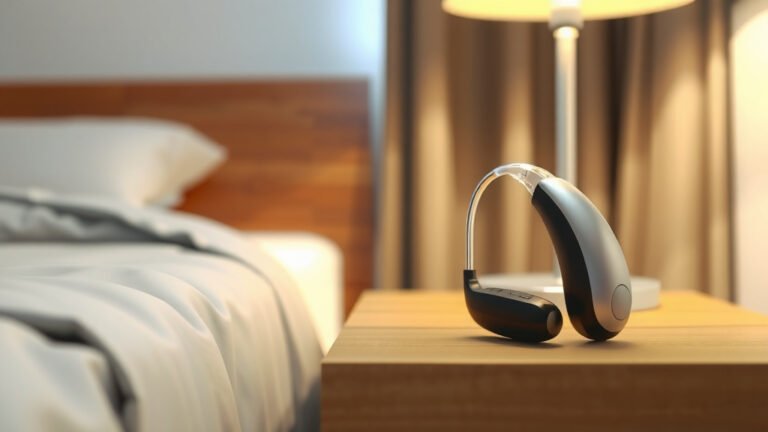
Hearing Aid Wax Guards: Why You Need to Change Them
Hearing aid wax guards should be changed every 2-4 weeks or when your hearing aid sounds muffled or weak.
These tiny filters protect your hearing aid from earwax damage and keep sound clear, but they get clogged and need regular replacement.
What Are Hearing Aid Wax Guards?
Think of wax guards as tiny umbrellas for your hearing aids. They sit at the tip of your device, right where sound comes out. Their job? Keep earwax from sneaking inside your hearing aid.
These small filters look like tiny mesh screens or baskets. Most are white or clear plastic with super-fine holes that let sound through but block wax.
How Wax Guards Actually Work
Your ears make wax naturally. It’s healthy and normal. But when you wear hearing aids, that wax can get pushed toward your device.
Without protection, wax crawls into your hearing aid’s speaker. Once inside, it hardens and blocks sound. Repairs can cost hundreds of dollars.
Wax guards catch the problem before it starts. They’re like having a bouncer at the door of an exclusive club.
Why You Must Change Your Wax Guards
Here’s what I found from talking to hearing aid users: the biggest mistake is ignoring wax guard changes. People think if their hearing aid still works, everything’s fine.
That’s like saying your car’s air filter is okay because the engine still runs. Eventually, you’ll pay for that thinking.
Clogged Guards Block Sound Quality
When wax guards fill up, your hearing aid sounds different. You might notice:
- Voices sound muffled or distant
- You need to turn volume higher than usual
- Sound cuts in and out randomly
- High-pitched sounds disappear first
Many people blame their hearing for getting worse. But often, it’s just a dirty five-cent filter.
Expensive Repairs You Can Avoid
I researched repair costs from major hearing aid companies. The average wax-related repair runs $150 to $300. Some premium models cost even more.
Compare that to wax guards, which cost about $10 for a six-month supply. The math is pretty simple.
What Happens Inside Your Hearing Aid
When wax gets past the guard, it doesn’t just sit there. It hardens like cement around your speaker parts.
Technicians have to carefully clean each tiny component. Sometimes the damage is permanent. You’re looking at weeks without your hearing aid while it’s in the shop.
How Often Should You Change Wax Guards?
Most experts recommend every 2-4 weeks (American Academy of Audiology). But your ears might be different.
Some people make more wax than others. If you work in dusty places or sweat a lot, you’ll need changes more often.
Signs It’s Time for a New Guard
Don’t just count weeks. Watch for these warning signs:
- Your hearing aid sounds quieter than normal
- You see visible wax on the guard
- Sound quality seems “off” or distorted
- You’re constantly adjusting volume
Trust your ears. If something sounds wrong, check that wax guard first.
The Weekly Check Method
Pick one day each week to look at your wax guards. I found that Sunday mornings work well for most people.
Hold your hearing aid up to good light. Can you see through the guard clearly? If it looks cloudy or blocked, time for a change.
Different Types of Wax Guards
Not all wax guards work the same way. Your hearing aid brand usually determines which type you need.
Standard Mesh Guards
These look like tiny screens. They’re the most common type and work with many hearing aid brands.
The mesh catches larger wax pieces while letting sound waves pass through easily.
Cerumen Filter Systems
Some newer hearing aids use replaceable filter cartridges. These snap in and out of your device.
They’re easier to change but cost a bit more than standard guards.
Which Type Do You Have?
Check your hearing aid manual or call your audiologist. Using the wrong type can damage your device or leave it unprotected.
Most packages clearly show which hearing aid models they fit.
How to Change Your Wax Guards
Changing wax guards takes about 30 seconds once you get the hang of it. Here’s the step-by-step process:
What You’ll Need
- New wax guards
- The small tool that came with your guards
- Good lighting
- Steady hands
Step-by-Step Instructions
First, make sure your hearing aid is turned off. This protects the electronics.
Look for the small tool in your wax guard package. One end removes old guards, the other installs new ones.
Gently push the removal end into the old guard. It should stick and pull out easily. Don’t force it.
Take a new guard from the package. Place it on the installation end of your tool.
Push the new guard firmly into the opening. You’ll feel it click into place.
Common Mistakes to Avoid
Don’t push too hard. Wax guards should slide in smoothly.
Never use tweezers or other tools. They can push the guard too deep or damage your hearing aid.
Make sure the guard sits flush. If it sticks out, it’s not installed correctly.
Where to Buy Wax Guards
You have several options for buying replacement guards. Each has pros and cons.
From Your Audiologist
This guarantees you get the right type. Most audiologists stock common brands.
The downside? You might pay more than online prices. But you get expert advice and support.
Online Retailers
Online shopping offers better prices and larger selection. Just make sure you order the exact model for your hearing aid.
Buy in bulk to save money. Wax guards have long shelf lives when stored properly.
Generic vs Brand Name
Some companies make generic wax guards that fit multiple brands. These cost less but might not fit as perfectly.
I found mixed reviews from users. Some love the savings, others stick with brand names for peace of mind.
Caring for Your Hearing Aids
Wax guards are just one part of good hearing aid care. A few extra steps keep your devices running longer.
Daily Cleaning Routine
Wipe your hearing aids with a dry cloth each night. This removes daily buildup before it becomes a problem.
Store them in a dry case with moisture-absorbing packets. Humidity damages electronics faster than almost anything else.
Professional Cleanings
Visit your audiologist every 3-6 months for deep cleaning. They have tools and techniques you can’t do at home.
Many insurance plans cover these visits. Even if yours doesn’t, it’s cheaper than major repairs.
Warning Signs to Watch For
Besides muffled sound, watch for these red flags:
- Feedback or whistling sounds
- Battery life getting shorter
- Visible damage to the device
- Discomfort or irritation in your ear
Troubleshooting Common Problems
Sometimes changing wax guards doesn’t solve sound problems. Here are other things to check.
Still Sounds Muffled After Guard Change
Check your battery first. Low batteries make hearing aids sound weak or distorted.
Look at your ear mold or dome. Wax might be stuck there instead of on the guard.
Guard Won’t Stay In Place
You might be using the wrong size or type. Double-check your hearing aid model number.
Sometimes the guard holder inside your hearing aid gets damaged. This needs professional repair.
When to Call Your Audiologist
If changing guards doesn’t improve sound quality, call for help. Don’t keep struggling with poor hearing.
Your audiologist can test your hearing aid and spot problems you might miss.
Cost Comparison: Guards vs Repairs
Let me break down the real costs so you can see why regular guard changes matter.
| Item | Cost | Frequency | Annual Cost |
|---|---|---|---|
| Wax guards (6-month supply) | $10-15 | Twice yearly | $20-30 |
| Average wax-related repair | $150-300 | As needed | $150-300+ |
| Professional cleaning | $25-50 | 3-4 times yearly | $75-200 |
The numbers tell the story. Prevention costs a fraction of fixing problems later.
Special Considerations for Different Users
Some people need to think extra carefully about wax guard maintenance.
Heavy Wax Producers
Some folks just make more earwax. If this sounds like you, check guards weekly instead of monthly.
Your audiologist might recommend special cleaning solutions or more frequent professional cleanings.
Active Lifestyle Users
Sweat and dust can clog guards faster than normal wear. Athletes and outdoor workers often need twice-weekly changes.
Consider moisture-resistant hearing aids if you’re very active.
Children and Caregivers
Kids can’t manage wax guard changes themselves. Parents need to check weekly and change as needed.
Make it part of the bedtime routine so it doesn’t get forgotten.
Conclusion
Changing your hearing aid wax guards regularly is the simplest way to protect your investment and maintain clear hearing. Those tiny filters might look insignificant, but they’re your first line of defense against expensive repairs and poor sound quality. Set a reminder, buy guards in bulk, and make checking them part of your weekly routine. Your ears and your wallet will thank you for this small effort that makes a big difference in your daily hearing experience.
How do I know if my wax guard is the right size?
Check your hearing aid manual for the specific part number, or look at the packaging from your current guards. If you’re unsure, contact your audiologist – using the wrong size can damage your device or provide poor protection.
Can I clean and reuse wax guards instead of replacing them?
No, wax guards are designed for single use only. The mesh is too fine to clean effectively, and attempting to wash them can damage the filter material or push wax deeper into the guard.
What should I do if a wax guard gets stuck inside my hearing aid?
Stop trying to remove it yourself and contact your audiologist immediately. Using makeshift tools like tweezers can push the guard deeper or damage internal components, leading to expensive repairs.
Are generic wax guards as good as brand-name ones?
Generic guards can work well if they’re the correct size and mesh density for your hearing aid model. Brand-name guards guarantee perfect fit and materials, while generics offer cost savings but may have slight variations in quality or fit.
Why does my hearing aid still sound muffled after changing the wax guard?
The problem might be elsewhere – check your battery level, look for wax on your ear mold or dome, or examine the microphone ports for blockages. If sound quality doesn’t improve, schedule an appointment with your audiologist for professional diagnosis.