Tinnitus Masking: How Hearing Aids Stop the Ringing
Tinnitus masking through hearing aids works by introducing background sounds that cover up the ringing, buzzing, or whistling sounds in your ears.
Modern hearing aids with tinnitus masking features can reduce the perception of tinnitus by up to 60% in many users, making daily life much more comfortable.
What Is Tinnitus Masking and How Does It Work?
Think of tinnitus masking like playing soft music to cover up a noisy neighbor. Your brain focuses on the pleasant masking sound instead of the annoying tinnitus.
The masking sound doesn’t make your tinnitus disappear completely. Instead, it gives your brain something else to listen to. This process is called “auditory masking.”
Research shows that when you introduce external sounds at the right frequency and volume, your brain pays less attention to tinnitus signals (American Tinnitus Association).
The Science Behind Sound Masking
Your brain processes multiple sounds at once. When tinnitus is the loudest thing you hear, it becomes the main focus.
Masking sounds work best when they’re slightly softer than your tinnitus. This partial masking lets your brain gradually ignore the ringing without completely drowning it out.
How Hearing Aids Provide Tinnitus Relief
Modern hearing aids do more than just amplify sounds. Many include built-in tinnitus masking programs that play specific sounds designed to reduce tinnitus perception.
Built-In Masking Sounds
Today’s hearing aids offer several masking options:
- White noise – steady, consistent sound across all frequencies
- Pink noise – softer, more natural sound than white noise
- Ocean waves – rhythmic, calming water sounds
- Rain sounds – gentle, continuous precipitation
- Wind chimes – soft, musical tones
You can usually adjust the volume and type of masking sound through your hearing aid app or by visiting your audiologist.
Amplification Benefits for Tinnitus
Even basic amplification helps with tinnitus. When you hear more environmental sounds, your tinnitus becomes less noticeable.
Studies show that people with both hearing loss and tinnitus often see improvement in both conditions when using hearing aids (Mayo Clinic).
Types of Hearing Aids for Tinnitus Masking
Not all hearing aids include tinnitus masking features. Here’s what to look for when shopping.
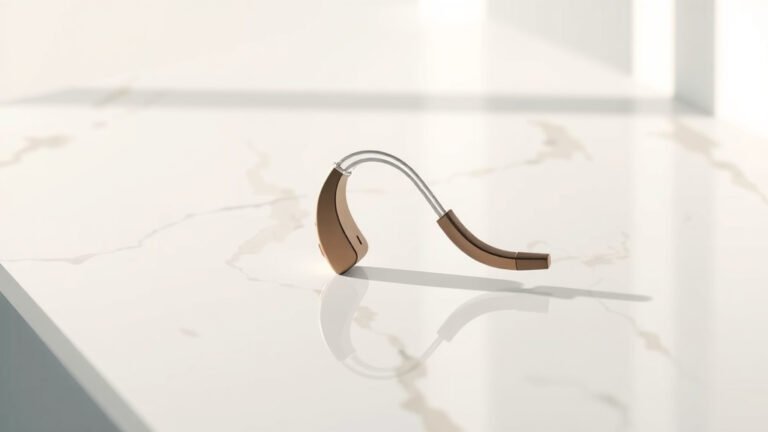
Behind-the-Ear (BTE) Models
BTE hearing aids often have the most advanced tinnitus features. They have more space for technology and stronger processors.
These models typically offer the widest range of masking sounds and better customization options.
Receiver-in-Canal (RIC) Devices
RIC hearing aids balance discreteness with functionality. Many include good tinnitus masking programs while remaining nearly invisible.
The receiver sits directly in your ear canal, which can provide more natural sound quality for masking.
In-the-Ear (ITE) Options
Custom-made ITE hearing aids can include tinnitus masking, though they may have fewer sound options than larger models.
These work well if you want something completely contained within your ear.
Combination Devices
Some manufacturers make combination hearing aid and tinnitus masker devices. These focus specifically on tinnitus relief while providing hearing amplification.
Choosing the Right Masking Sound
The best masking sound varies from person to person. What works for your friend might not work for you.
Frequency Matching
Your audiologist can test which frequencies your tinnitus occurs at. The most effective masking sounds often target those same frequencies.
If your tinnitus is high-pitched, you might benefit from masking sounds with more high-frequency content.
Personal Preference Testing
During your hearing aid fitting, you’ll try different masking sounds. Some people prefer nature sounds, while others like steady noise.
Take notes about which sounds feel most comfortable and relaxing. You’ll use this information to program your devices.
Volume Considerations
The masking volume should be set just below your tinnitus level. Too loud, and the masking sound becomes annoying. Too soft, and it won’t help.
Getting Started with Tinnitus Masking Hearing Aids
Your journey to tinnitus relief starts with proper evaluation and fitting.
Professional Hearing Assessment
An audiologist will test both your hearing and your tinnitus characteristics. This includes:
- Complete hearing test across all frequencies
- Tinnitus pitch matching
- Loudness level measurement
- Minimum masking level testing
These tests help determine which hearing aids and masking sounds will work best for you.
Device Programming and Customization
Your audiologist programs your hearing aids based on your test results. The initial settings are just a starting point.
Expect to return for adjustments as you get used to the masking sounds. Fine-tuning usually takes several weeks.
Learning to Use Masking Features
Most hearing aids let you control masking sounds through smartphone apps. You can adjust volume, change sound types, and set timers.
Start with short sessions and gradually increase usage time as you become comfortable.
What to Expect from Tinnitus Masking
Realistic expectations help you get the most benefit from tinnitus masking hearing aids.
Timeline for Improvement
Some people notice immediate relief, while others need weeks to see full benefits. Your brain needs time to adjust to the new sounds.
Research suggests that consistent use for 6-12 months provides the best long-term results (Cleveland Clinic).
Degree of Relief
Tinnitus masking rarely eliminates tinnitus completely. Most people experience significant reduction in how bothersome their tinnitus feels.
Success means your tinnitus interferes less with sleep, concentration, and daily activities.
Individual Results Vary
Your results depend on several factors: tinnitus severity, hearing loss degree, and how well you adapt to hearing aids.
Some people achieve 70-80% reduction in tinnitus awareness, while others see more modest improvement.
Maximizing Your Success
These strategies help you get the most from your tinnitus masking hearing aids.
Consistent Daily Use
Wear your hearing aids every day, even when you’re at home. Consistent sound input helps your brain adjust more quickly.
Many audiologists recommend wearing hearing aids at least 8-10 hours daily for best results.
Combining with Other Therapies
Tinnitus masking works well alongside other treatments:
- Cognitive behavioral therapy
- Relaxation techniques
- Sound therapy apps
- Stress management
A multi-approach strategy often provides better outcomes than hearing aids alone.
Regular Follow-Up Care
Schedule regular check-ups with your audiologist. Your tinnitus and hearing may change over time, requiring program adjustments.
Cost and Insurance Considerations
Tinnitus masking hearing aids typically cost more than basic amplification devices.
Price Range Expectations
Hearing aids with tinnitus masking features usually range from $2,000 to $6,000 per pair. The price depends on technology level and available features.
Premium models offer more masking sound options and better smartphone connectivity.
Insurance Coverage
Some insurance plans cover tinnitus treatment, including hearing aids. Check your benefits for coverage details.
Veterans may qualify for tinnitus treatment through VA healthcare services.
Conclusion
Tinnitus masking through hearing aids offers real hope for managing persistent ringing, buzzing, or whistling in your ears. While it may not eliminate your tinnitus completely, the right hearing aids with proper masking features can significantly reduce how much your tinnitus bothers you day-to-day.
The key to success lies in working with a qualified audiologist who can properly assess your hearing and tinnitus characteristics. With the right device selection, programming, and consistent use, many people find substantial relief from their tinnitus symptoms. Remember that results take time, and combining masking with other tinnitus management strategies often provides the best outcomes for long-term relief and improved quality of life.
Can hearing aids make tinnitus worse?
Properly fitted hearing aids should not worsen tinnitus. If your tinnitus increases after getting hearing aids, the devices may need programming adjustments or the volume might be set too high. Contact your audiologist right away if you experience increased tinnitus symptoms.
Do I need special hearing aids if I only have tinnitus without hearing loss?
People with normal hearing can still benefit from hearing aids designed specifically for tinnitus masking. These devices provide masking sounds without unnecessary amplification. Some manufacturers make tinnitus-only devices that look like hearing aids but focus solely on sound therapy.
How long should I use tinnitus masking each day?
Most audiologists recommend using tinnitus masking for 8-10 hours daily, but not 24 hours continuously. Your ears and brain need some quiet time to avoid becoming dependent on masking sounds. Start with shorter periods and gradually increase usage as you become comfortable.
Will I become dependent on masking sounds?
When used properly, tinnitus masking should help train your brain to ignore tinnitus rather than creating dependency. The goal is habituation – teaching your brain to tune out tinnitus naturally. Work with your audiologist to gradually reduce masking volume over time as your symptoms improve.
Can I use smartphone apps instead of hearing aids for tinnitus masking?
Smartphone apps can provide temporary relief and are useful for trying different masking sounds, but they lack the precision and customization of professional hearing aids. Apps cannot adjust for your specific hearing loss or provide the consistent, properly calibrated sound delivery that hearing aids offer.