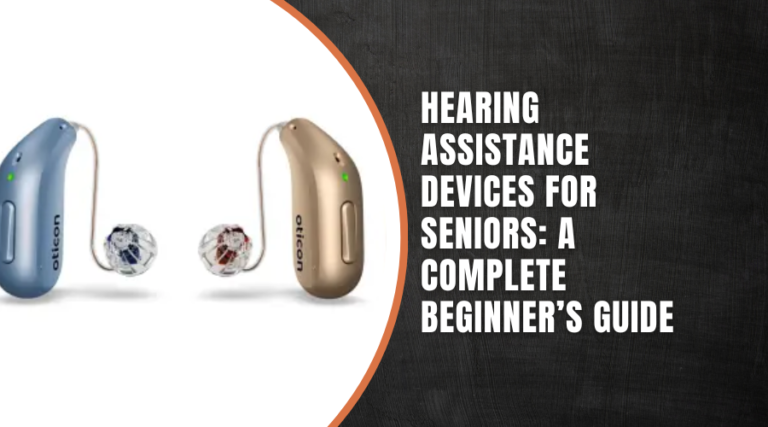
Are OTC Hearing Aids Safe? What Seniors Should Know
Yes, OTC hearing aids are generally safe for seniors when used properly, but they work best for mild to moderate hearing loss.
You should consult an audiologist first to determine if OTC hearing aids are right for your specific type and degree of hearing loss.
What Makes OTC Hearing Aids Different
Over-the-counter hearing aids became available in 2022 after FDA approval. They’re designed for adults 18 and older with mild to moderate hearing loss.
Unlike prescription hearing aids, you can buy OTC models without visiting an audiologist. You fit and program them yourself using smartphone apps or simple controls.
Think of it like reading glasses versus prescription eyeglasses. OTC hearing aids work for common hearing issues, while prescription devices handle complex problems.
FDA Safety Standards
The FDA requires OTC hearing aids to meet strict safety rules. They must limit maximum sound output to prevent ear damage.
These devices can’t exceed 120 decibels of sound pressure level. That’s loud enough to help you hear clearly but not so loud that it harms your ears.
Key Safety Features Built In
Most OTC hearing aids include automatic safety features:
- Volume limiters that prevent dangerous sound levels
- Feedback cancellation to reduce whistling
- Automatic shut-off when battery runs low
- User controls that can’t be accidentally maxed out
Who Should Use OTC Hearing Aids
You’re a good candidate for OTC hearing aids if you have mild to moderate hearing loss. This means you can hear most sounds but struggle with:
- Conversations in noisy restaurants
- TV dialogue at normal volume
- Phone calls in quiet rooms
- Birds chirping or soft music
Signs You Need Professional Help Instead
Some hearing problems require prescription hearing aids or medical treatment. See an audiologist if you have:
- Sudden hearing loss in one or both ears
- Ear pain or discharge
- Severe hearing loss (you can’t hear normal conversation)
- Hearing that gets much worse quickly
- Dizziness or balance problems with hearing loss
Age-Related Hearing Changes
About one in three people over 65 have hearing loss, according to the National Institute on Deafness. Most age-related hearing loss develops slowly and affects both ears equally.
This type of hearing loss often responds well to OTC hearing aids. You’ll notice gradual improvement in daily conversations and TV watching.
Safety Considerations for Seniors
OTC hearing aids are safe when you follow basic guidelines. Here’s what matters most for your safety:
Start with Low Volume
When you first get OTC hearing aids, start with the lowest comfortable volume. Your brain needs time to adjust to hearing sounds you’ve missed.
Gradually increase volume over several days or weeks. Rushing this process can cause headaches or ear discomfort.
Watch for Warning Signs
Stop using your hearing aids and contact a healthcare provider if you experience:
- Ear pain or pressure
- Increased ear wax buildup
- Skin irritation around your ears
- Worsening hearing loss
- New ringing in your ears
Proper Fit Matters
Poorly fitting hearing aids can cause problems. The ear tips should feel snug but not painful. You shouldn’t feel constant pressure or notice raw spots on your ears.
Most OTC hearing aids come with multiple ear tip sizes. Try different sizes to find your best fit.
Common Safety Concerns Addressed
Many seniors worry about specific safety issues with OTC hearing aids. Let me address the most common concerns:
Can They Damage Your Hearing Further?
Research shows that properly used OTC hearing aids won’t worsen your hearing. The FDA volume limits prevent damage from excessive sound.
You’re more likely to damage your hearing by turning up the TV volume extremely high or ignoring your hearing loss completely.
What About Ear Infections?
Clean hearing aids don’t cause ear infections. The risk comes from poor hygiene or wearing devices when your ears are already infected.
Clean your hearing aids daily with a dry cloth. Remove them if your ears feel sore or produce discharge.
Battery Safety
OTC hearing aids use either rechargeable batteries or small disposable batteries. Both are safe when handled properly.
Keep spare batteries away from young children and pets. The small size makes them a choking hazard.
How to Use OTC Hearing Aids Safely
Follow these steps to get the most benefit while staying safe:
Getting Started Right
Read all instructions before using your new hearing aids. I know it sounds obvious, but many people skip this step.
Start by wearing them for just a few hours each day. Your ears and brain need time to adjust to amplified sound.
Daily Safety Habits
Develop these simple habits for safe, long-term use:
- Clean your hearing aids every night
- Store them in a dry, safe place
- Check battery levels regularly
- Inspect for cracks or damage weekly
- Remove them during showers or swimming
Regular Hearing Checkups
Even with OTC hearing aids, get your hearing checked annually. Your hearing can change over time, and you might need different treatment.
Many hearing professionals offer basic hearing screenings. Some pharmacies and community centers provide free hearing tests too.
Comparing Safety: OTC vs Prescription
Both OTC and prescription hearing aids meet FDA safety standards. Here’s how they compare:
| Feature | OTC Hearing Aids | Prescription Hearing Aids |
|---|---|---|
| FDA Regulated | Yes | Yes |
| Volume Limits | Built-in safety limits | Professionally programmed |
| Professional Fitting | Self-fitted | Audiologist fitted |
| Follow-up Care | Self-managed | Professional support |
When Professional Care Adds Safety
Prescription hearing aids might be safer if you have complex hearing loss or medical conditions. An audiologist can spot problems you might miss.
They also provide ongoing support and adjustments. This professional relationship can prevent safety issues before they become serious.
Red Flags to Watch For
Stop using OTC hearing aids immediately if you notice any of these warning signs:
Physical Problems
- Persistent ear pain or pressure
- Bleeding or discharge from your ears
- Severe itching or rash around your ears
- Swelling in or around your ears
Hearing Changes
- Sudden worsening of hearing loss
- New or louder ringing in your ears
- Feeling like your ears are completely blocked
- Hearing sounds that aren’t there
Getting Help Fast
Contact your doctor right away if you experience any red flag symptoms. Don’t wait to see if they improve on their own.
For urgent problems like sudden hearing loss or severe pain, consider visiting an urgent care center or emergency room.
Making OTC Hearing Aids Work Better
You can improve both safety and effectiveness with these simple strategies:
Environment Matters
Start using your hearing aids in quiet environments like your home. Once you’re comfortable, gradually try noisier places.
This approach helps your brain adjust slowly and reduces the risk of overwhelming your ears with too much sound.
Communication Strategies
Hearing aids work best when combined with good communication habits:
- Face the person you’re talking to
- Ask others to speak clearly, not just louder
- Reduce background noise when possible
- Take breaks in very noisy environments
Technology Tips
Many OTC hearing aids connect to smartphones for easy adjustment. Learn to use these features safely:
- Make small volume changes, not big jumps
- Save settings that work well for different situations
- Update the app software when prompted
- Keep your phone nearby for quick adjustments
Long-Term Safety and Care
OTC hearing aids can serve you safely for years with proper care and attention.
Maintenance Schedule
Follow this simple schedule to keep your hearing aids safe and working well:
- Daily: Clean and store properly
- Weekly: Check for damage or wear
- Monthly: Deep clean with manufacturer’s tools
- Yearly: Professional hearing test and device check
When to Replace Them
Most OTC hearing aids last 3-5 years with regular use. Replace them sooner if they’re damaged or your hearing changes significantly.
Technology improves quickly in hearing aids. Newer models often have better safety features and sound quality.
Conclusion
OTC hearing aids are safe for most seniors with mild to moderate hearing loss. The FDA requires built-in safety features that prevent ear damage from excessive volume. You can use them confidently by starting with low volume, following proper hygiene, and watching for warning signs. While they work well for many people, don’t hesitate to seek professional help if you experience ear pain, sudden hearing changes, or complex hearing problems. The key to safe use is understanding your limits, following instructions carefully, and getting regular hearing checkups. With proper care and realistic expectations, OTC hearing aids can safely improve your quality of life and help you stay connected to the world around you.
Can OTC hearing aids cause permanent hearing damage if used incorrectly?
No, FDA-regulated OTC hearing aids have built-in volume limits that prevent permanent damage. The maximum output is capped at safe levels, so even if you turn them up too high, they can’t produce sounds loud enough to cause permanent hearing loss.
How long should I wear OTC hearing aids each day when starting out?
Start with 2-4 hours daily for the first week, then gradually increase wearing time. Most people can comfortably wear them all day within 2-4 weeks. This gradual approach helps your brain adjust and prevents ear fatigue or discomfort.
Is it normal for my ears to feel full or strange when I first start using OTC hearing aids?
Yes, a slight feeling of fullness is normal for the first few days as your ears adjust to the physical presence of the devices. This sensation should fade within a week. If it persists or becomes painful, try different ear tip sizes or consult a healthcare provider.
Can I sleep while wearing OTC hearing aids?
No, you shouldn’t sleep with hearing aids in place. This can cause ear irritation, increase infection risk, and damage the devices. Remove them before bed and store them in a dry, safe place. Your ears need time to breathe and recover each night.
What should I do if my OTC hearing aids suddenly stop working properly?
First, check the battery level and clean the device thoroughly. Try replacing the battery if it’s removable, or charge it fully if it’s rechargeable. If problems persist, contact the manufacturer’s customer service. Don’t attempt to repair them yourself, as this could create safety hazards.