When to Replace Hearing Aid Tubing: Signs of Wear
Replace hearing aid tubing every 3-6 months or when you notice yellowing, cracking, or reduced sound quality.
Signs of worn hearing aid tubing include moisture buildup, poor sound transmission, and visible deterioration that affects your device’s performance.
Your hearing aid works hard every day. Just like any tool you use regularly, parts wear out over time. The tubing that connects your hearing aid to your ear needs attention too.
Think of hearing aid tubing like the straw in your drink. When it gets old or damaged, nothing flows through properly. Your hearing aid tubing does the same job – it carries sound from your device to your ear.
What Is Hearing Aid Tubing
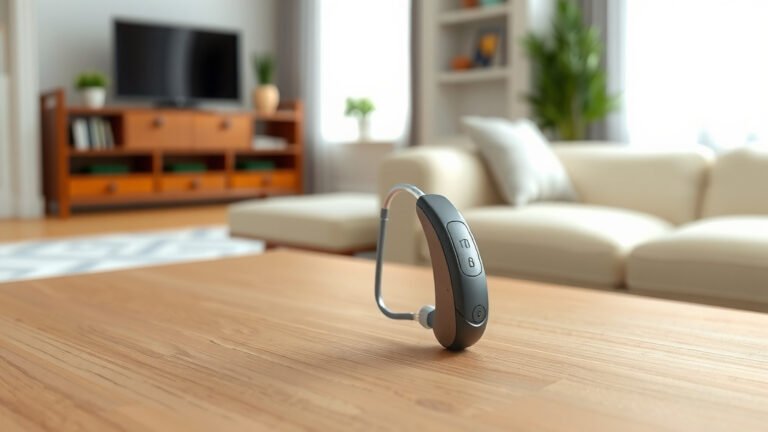
Hearing aid tubing is a small, clear tube that connects your behind-the-ear hearing aid to your earmold. It’s usually made of soft plastic or silicone material.
This tiny tube does a big job. It carries amplified sound from your hearing aid’s speaker directly into your ear canal. Without good tubing, you miss out on clear sound.
How Tubing Affects Sound Quality
Clean, flexible tubing lets sound travel smoothly. When tubing gets old or damaged, sound becomes muffled or weak. You might hear crackling noises or notice gaps in what people say.
I found that most hearing professionals recommend checking tubing weekly. A quick visual inspection can save you from poor hearing days.
Common Signs Your Tubing Needs Replacement
Spotting worn tubing is easier than you think. Your ears and eyes will tell you when it’s time for new tubing.
Visual Signs of Wear
Look for these clear warning signs:
- Yellow or brown discoloration
- Cracks or splits in the material
- Stiff or brittle texture
- Cloudy or foggy appearance
- Permanent bends or kinks
Discoloration Problems
Fresh tubing looks crystal clear. When it turns yellow or brown, bacteria and oils have built up inside. This discoloration won’t wash out with cleaning.
Many experts say discolored tubing can harbor germs that cause ear infections (American Academy of Audiology). Don’t risk your ear health for old tubing.
Cracks and Splits
Even tiny cracks let moisture in and sound out. Hold your tubing up to the light. Do you see any hairline fractures? Time for replacement.
Cracks often start small near connection points. They grow bigger with daily wear and temperature changes.
Performance Issues That Signal Replacement
Sometimes your ears notice problems before your eyes do. Listen for these audio clues.
Reduced Sound Quality
Does your hearing aid sound quieter than usual? Are conversations harder to follow? Worn tubing often causes gradual sound loss.
You might not notice the change day by day. But compare how you hear now versus a few months ago. Big difference? Check that tubing.
Moisture and Condensation Problems
Water droplets inside tubing block sound waves. If you see moisture that won’t dry out after cleaning, the tubing material has probably degraded.
Research shows that humid climates and active lifestyles increase moisture problems (National Institute on Deafness). Athletes and people in warm areas need more frequent tubing changes.
How Often Should You Replace Tubing
Most hearing aid manufacturers suggest replacing tubing every 3-6 months. But your personal timeline might be different.
I found that active people need new tubing more often. Sweat, humidity, and temperature changes break down materials faster.
Factors That Affect Tubing Lifespan
Several things determine how long your tubing lasts:
- Daily wear time
- Climate and humidity levels
- Cleaning routine quality
- Tubing material type
- Handling care
Climate Impact on Tubing
Hot, humid weather is tough on hearing aid tubing. Moisture gets trapped inside and materials break down faster. Cold weather makes tubing brittle and prone to cracking.
If you live in extreme climates, plan on more frequent replacements. Your local audiologist can suggest the best schedule for your area.
Usage Patterns
Wear your hearing aids 12+ hours daily? Your tubing works overtime too. Heavy users typically need replacements every 2-3 months instead of 6 months.
Weekend-only users can often stretch tubing life to 8-12 months with proper care.
Different Types of Tubing Materials
Not all hearing aid tubing is the same. Material choice affects durability, comfort, and replacement frequency.
| Material Type | Lifespan | Best For |
|---|---|---|
| Standard Plastic | 3-4 months | Light daily use |
| Silicone | 4-6 months | Active lifestyles |
| Anti-microbial | 6-8 months | Infection-prone ears |
Silicone Tubing Benefits
Silicone costs more upfront but lasts longer than standard plastic. It stays flexible in cold weather and resists cracking better.
From what I read, silicone tubing also feels more comfortable for people with sensitive ears (Cleveland Clinic).
Anti-Microbial Options
Special coatings help prevent bacteria growth inside tubing. These options work well if you’ve had ear infections or live in very humid places.
Ask your hearing professional about anti-microbial tubing if standard options don’t last long for you.
Proper Tubing Maintenance
Good care extends tubing life and keeps your hearing aid working well. A few simple steps make a big difference.
Daily Cleaning Routine
Wipe tubing with a dry cloth every night. Remove your hearing aid gently – don’t yank on the tubing.
Check for moisture or debris daily. Catching problems early prevents bigger issues later.
Weekly Deep Cleaning
Once a week, disconnect tubing and wash it with mild soap and warm water. Rinse well and let it air dry completely before reconnecting.
Never use hot water or harsh chemicals. These can damage tubing materials and void your warranty.
Storage Tips
Store hearing aids in a dry place overnight. Many people use drying boxes or dehumidifiers designed for hearing aids.
Avoid leaving hearing aids in cars, bathrooms, or other humid spaces. Heat and moisture are tubing enemies.
When to See Your Audiologist
Some tubing issues need professional help. Don’t try to fix everything yourself.
Professional Replacement vs DIY
Simple tubing swaps are often DIY-friendly. But if your hearing aid needs adjustments or you’re unsure about compatibility, see your audiologist.
Most hearing aid warranties cover professional tubing replacement. Check your coverage before buying replacement parts.
Warning Signs for Professional Help
Call your audiologist if you notice:
- Persistent ear pain or irritation
- Hearing aid feedback that won’t stop
- Tubing that won’t stay connected
- Sudden hearing changes
Cost Considerations
Replacement tubing is one of the cheaper hearing aid maintenance costs. Most tubing costs $10-30 per replacement.
Compare that to hearing aid repairs, which can cost hundreds of dollars. Regular tubing replacement is smart prevention.
Insurance and Warranty Coverage
Many hearing aid warranties include tubing replacement for the first year. Some insurance plans cover basic maintenance supplies too.
Check with your provider about coverage. You might get free or discounted replacements.
Conclusion
Replacing hearing aid tubing isn’t glamorous, but it’s essential for good hearing. Watch for visual signs like discoloration and cracks. Listen for sound quality changes that signal wear.
Most people need new tubing every 3-6 months, but your timeline depends on usage and environment. Good daily care extends tubing life and keeps your hearing aids working properly.
Don’t wait until tubing completely fails. Proactive replacement saves you from frustrating days of poor hearing. Your ears deserve the clearest sound possible.
How do I know if my hearing aid tubing is the right size?
Properly fitted tubing should feel comfortable and create a good seal without being too tight. If you experience pain, whistling sounds, or the tubing keeps slipping out, the size might be wrong. Your audiologist can measure and fit the correct tubing size for your specific hearing aid and ear shape.
Can I clean hearing aid tubing with alcohol or disinfectants?
Avoid alcohol and harsh disinfectants as they can damage tubing materials and make them brittle. Use only mild soap and warm water for cleaning. Some manufacturers make special cleaning solutions designed specifically for hearing aid components that are safer than household cleaners.
What happens if I wait too long to replace worn tubing?
Old tubing can completely block sound transmission, cause ear infections from bacteria buildup, or damage your hearing aid’s internal components from moisture infiltration. In severe cases, you might need expensive hearing aid repairs that cost much more than simple tubing replacement.
Is it normal for new tubing to feel different at first?
Yes, new tubing often feels stiffer and may fit slightly differently than your old, stretched tubing. Most people adjust within a few days. If discomfort persists beyond a week or you notice significant hearing changes, contact your hearing professional for a fit check.
Can I buy hearing aid tubing online or do I need to go through my audiologist?
Many basic tubing types are available online, but getting the wrong size or material can cause problems. Your audiologist ensures proper fit and compatibility with your specific hearing aid model. Some warranties require professional installation, so check your coverage before ordering online.