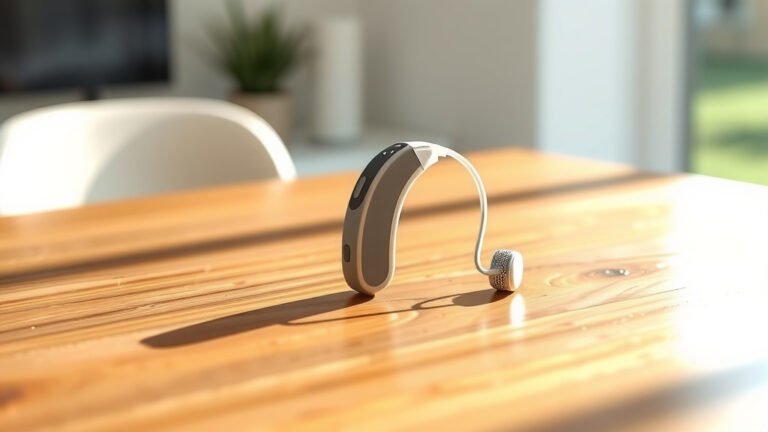
How to Clear Moisture from Hearing Aid Microphones
To clear moisture from hearing aid microphones, use a soft, dry cloth to gently wipe the microphone ports and place your hearing aids in a dehumidifier overnight.
Moisture buildup in hearing aid microphones happens when water droplets block the tiny openings, causing muffled sound or complete audio loss.
You know that sinking feeling when your hearing aids start sounding like you’re underwater? Moisture in your microphones is likely the culprit. Don’t panic – this common issue has simple solutions that work fast.
Your hearing aid microphones are tiny but mighty. When moisture gets trapped inside, it’s like putting a wet towel over a speaker. The sound gets blocked, distorted, or disappears completely.
Why Moisture Gets Trapped in Your Hearing Aid Microphones
Water finds its way into hearing aids more often than you’d think. Your ears naturally produce moisture. Add humidity, sweat, or unexpected rain, and you’ve got a recipe for microphone problems.
The microphone ports on your hearing aids are incredibly small. Think of them like tiny doorways that sound waves use to enter your device. When water droplets sit in these openings, they create barriers.
Common Sources of Moisture
Research shows that earwax mixed with natural ear moisture creates the stickiest problems (American Academy of Audiology). Here’s where moisture typically comes from:
- Natural ear canal humidity and earwax
- Sweat from exercise or hot weather
- Steam from showers or cooking
- Rain or unexpected water exposure
- High humidity environments
Quick Emergency Steps to Remove Moisture
When you notice muffled sound or no sound at all, act fast. These immediate steps often restore your hearing aids within minutes.
The Gentle Wipe Method
Start with the simplest approach. Use a clean, dry cloth or tissue to gently dab around the microphone openings. Don’t press hard – you’re not trying to push anything inside.
I found that microfiber cloths work best because they absorb moisture without leaving lint behind. Many hearing aid users keep one in their case for emergencies.
The Shake and Tap Technique
Hold your hearing aid securely with the microphone facing down. Give it a few gentle shakes to encourage water droplets to fall out naturally.
You can also tap very lightly on a soft surface like a towel. This helps dislodge stubborn moisture without damaging delicate components.
What Not to Do During Emergency Cleaning
Avoid these tempting but harmful quick fixes:
- Hair dryers or heat sources
- Compressed air or blowing into ports
- Cotton swabs or toothpicks
- Shaking too vigorously
Professional Drying Methods That Actually Work
Sometimes gentle wiping isn’t enough. You need stronger drying power to completely clear moisture from those tiny microphone chambers.
Using a Hearing Aid Dehumidifier
Hearing aid dehumidifiers are like tiny ovens designed specifically for your devices. They create controlled, gentle heat that evaporates moisture without damage.
Place your hearing aids inside the dehumidifier before bed. By morning, they’re usually completely dry and working perfectly again.
Types of Dehumidifiers Available
From what I researched, there are three main types that work well:
| Type | How It Works | Best For |
|---|---|---|
| Electric | Gentle heat and fan circulation | Daily use, consistent results |
| Desiccant | Moisture-absorbing crystals | Travel, no electricity needed |
| UV-C | Ultraviolet light plus drying | Deep cleaning and sanitizing |
The Rice Method (Emergency Backup)
No dehumidifier? Dry rice works in a pinch. Place your hearing aids in a container filled with uncooked rice overnight.
Rice naturally absorbs moisture from the air around it. While not as effective as specialized equipment, it often saves the day when you’re traveling.
Step-by-Step Deep Cleaning Process
When moisture keeps coming back, you need a thorough cleaning routine. This process removes both moisture and the buildup that traps it.
Gathering Your Cleaning Supplies
You’ll need a few simple items that most hearing aid users already have:
- Soft, dry microfiber cloth
- Hearing aid cleaning brush
- Wax pick or loop tool
- Dehumidifier or dry rice container
The Complete Cleaning Routine
Start by removing your hearing aids and turning them off completely. Remove the battery to prevent any electrical issues during cleaning.
Cleaning the Microphone Area
Look closely at the microphone ports. You might see tiny bits of wax, dust, or moisture droplets sitting right at the openings.
Use your cleaning brush to gently sweep around the microphone area. Work in small circles, moving debris away from the ports rather than pushing it deeper inside.
Detailed Port Cleaning
This is where patience pays off. Use the wax pick tool to carefully clear any visible blockages from the microphone openings.
Be incredibly gentle here. The microphone components inside are delicate and expensive to replace. Think of it like performing surgery with a toothpick.
Final Drying Phase
After cleaning, place your hearing aids in the dehumidifier for at least 4-6 hours. This ensures any remaining moisture evaporates completely.
Many experts recommend overnight drying for best results (Hearing Loss Association of America). Your patience now prevents bigger problems later.
Preventing Future Moisture Problems
The best moisture removal strategy? Stop it from building up in the first place. A few simple habits make a huge difference.
Daily Maintenance Habits
Wipe down your hearing aids every time you remove them. This quick 30-second routine prevents moisture from accumulating overnight.
Store your devices in a dry place with good air circulation. Bathroom counters might seem convenient, but they’re moisture traps waiting to strike.
Weather Protection Strategies
Rainy days don’t have to mean hearing aid disasters. Plan ahead with these weather-smart tips.
Humidity Control
Keep your bedroom humidity below 50% if possible. A small room dehumidifier helps both your hearing aids and your overall comfort.
I came across research showing that consistent humidity control reduces hearing aid repairs by up to 40% (Better Hearing Institute).
Exercise and Activity Protection
Sweat is basically salt water – not something you want marinating your microphones. Consider sweatbands or hearing aid sleeves during workouts.
Remove your hearing aids before swimming, showering, or any activity involving direct water contact. This seems obvious, but accidents happen more than you’d expect.
When to Seek Professional Help
Sometimes DIY fixes aren’t enough. Knowing when to call your audiologist saves time and prevents permanent damage.
Warning Signs That Need Expert Attention
Contact your hearing care professional if you notice these red flags:
- Moisture returns within hours of cleaning
- Sound remains distorted after thorough drying
- Visible corrosion or white residue inside ports
- Complete sound loss that drying doesn’t fix
Professional Cleaning vs. Home Methods
Your audiologist has specialized tools and vacuum systems that remove moisture you can’t reach at home. They can also check for internal damage that isn’t visible from the outside.
Many hearing aid warranties cover moisture damage if you seek professional help promptly. Waiting too long sometimes voids coverage.
Troubleshooting Persistent Moisture Issues
What happens when moisture keeps coming back no matter what you try? There might be underlying issues that need different approaches.
Checking for Physical Damage
Cracks in your hearing aid casing let moisture seep inside continuously. Examine your devices under good lighting, looking for tiny splits or gaps.
Pay special attention to areas where the casing joins together. These seams sometimes separate slightly, creating perfect moisture entry points.
Environmental Factor Assessment
Your living environment might be working against you. High humidity homes, poor ventilation, or proximity to moisture sources create ongoing challenges.
Simple Environmental Improvements
Small changes often yield big results. Consider these modifications:
- Moving your charging station away from bathrooms
- Using a fan for better air circulation
- Storing devices in climate-controlled areas
- Avoiding storage in basements or attics
Advanced Prevention Techniques
Ready to take moisture prevention to the next level? These advanced strategies help serious moisture fighters.
Moisture-Wicking Accessories
Specialized hearing aid sleeves and covers create barriers against humidity and sweat. They’re particularly helpful for active lifestyles or high-humidity climates.
Some newer hearing aids come with nano-coating technology that naturally repels moisture. If you’re due for an upgrade, this feature is worth considering.
Creating the Ideal Storage Environment
Think of your hearing aid storage area like a wine cellar – temperature and humidity matter. Consistent, moderate conditions preserve your devices best.
A dedicated hearing aid station with built-in dehumidifying keeps your devices ready for action. Many users find this investment pays for itself through reduced repairs.
Conclusion
Clearing moisture from hearing aid microphones doesn’t require special skills or expensive tools. Start with gentle wiping and overnight drying for most moisture issues. When problems persist, professional cleaning ensures your devices get the care they need.
Remember that prevention beats repair every time. Daily wiping, proper storage, and environmental awareness keep your hearing aids working smoothly for years. Your consistent care routine protects both your investment and your hearing quality.
Can I use a hair dryer to dry my hearing aid microphones quickly?
Never use a hair dryer on hearing aids. The heat can damage delicate electronic components and actually push moisture deeper into the device. Stick with gentle air drying or specialized hearing aid dehumidifiers that use controlled, low temperatures.
How often should I clean moisture from my hearing aid microphones?
Check and wipe your microphone ports daily when you remove your hearing aids. Deep cleaning with dehumidifying should happen weekly or whenever you notice sound quality changes. This routine prevents moisture buildup before it becomes a problem.
What’s the difference between temporary and permanent moisture damage?
Temporary moisture damage causes muffled sound that clears up after proper drying. Permanent damage shows up as ongoing distortion, complete sound loss, or visible corrosion that doesn’t improve with cleaning. Professional evaluation can determine which type you’re dealing with.
Why do my hearing aids get moisture even when I avoid water?
Your ear canals naturally produce moisture and earwax throughout the day. Additionally, humidity from breathing, environmental conditions, and normal body heat create condensation inside hearing aids. This is completely normal and manageable with regular maintenance.
Is it safe to wear hearing aids with slightly moist microphones?
Wearing hearing aids with moisture in the microphones can push water deeper into the device and potentially damage internal components. Always dry them thoroughly before wearing. If you’re in a hurry, at least wipe the external moisture and plan for proper drying later that day.