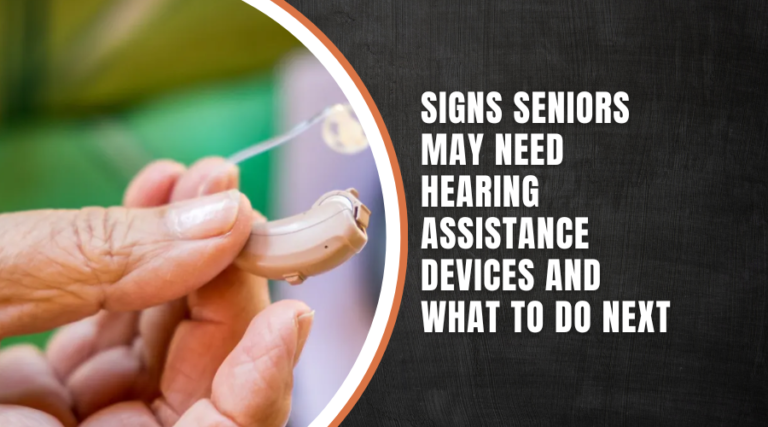
How to Deep Clean Custom Ear Molds for Hearing Aids
Deep cleaning custom ear molds for hearing aids requires removing them from the device, soaking in warm soapy water for 10-15 minutes, gently scrubbing with a soft brush, rinsing thoroughly, and air drying completely.
Regular deep cleaning of your custom ear molds every 1-2 weeks prevents wax buildup, bacterial growth, and sound quality issues that can affect your hearing aid performance.
Your custom ear molds work hard every day. They sit in your ears for hours, collecting wax, oils, and moisture. Without proper cleaning, they become breeding grounds for bacteria and can seriously affect your hearing aid’s performance.
Let me walk you through the complete process of deep cleaning your ear molds safely and effectively. This isn’t rocket science, but doing it right makes all the difference.
Why Deep Cleaning Your Ear Molds Matters
Think of your ear molds like contact lenses. You wouldn’t wear dirty contacts, right? The same logic applies here. Dirty ear molds can cause ear infections, reduce sound quality, and shorten your hearing aid’s lifespan.
From what I read in audiology research, dirty ear molds are one of the top causes of hearing aid repairs (American Speech-Language-Hearing Association). That’s money out of your pocket for something completely preventable.
Signs Your Ear Molds Need Deep Cleaning
You’ll notice these warning signs when it’s time for a thorough cleaning:
- Visible wax or debris buildup
- Reduced sound quality or volume
- Whistling or feedback sounds
- Unpleasant odor from the molds
- Ear irritation or itching
What You’ll Need for Deep Cleaning
Gather these supplies before you start. Most of these items you probably already have at home:
- Mild dish soap (Dawn or similar)
- Warm water (not hot)
- Soft-bristled toothbrush or hearing aid cleaning brush
- Clean, dry towels
- Small bowl for soaking
- Compressed air or bulb syringe (optional)
What NOT to Use
Stay away from these cleaning products that can damage your ear molds:
- Alcohol-based cleaners
- Bleach or harsh chemicals
- Hot water
- Abrasive brushes or tools
- Hair dryers or heat sources
Step-by-Step Deep Cleaning Process
Ready to get started? Follow these steps in order. Don’t skip any steps – each one serves a purpose.
Step 1: Remove the Ear Molds Safely
Turn off your hearing aids first. Then carefully disconnect the ear molds from the hearing aid body. If your molds are attached by tubing, gently twist and pull. Never force them apart.
Take a quick photo with your phone before disconnecting anything. This helps you remember how everything goes back together.
Step 2: Initial Inspection and Dry Cleaning
Look over your ear molds carefully. Check for cracks, loose parts, or damage. If you find any problems, contact your audiologist before cleaning.
Use a dry brush to remove visible wax and debris. Work gently – you’re not scrubbing a dirty pot here.
Cleaning the Vent Holes
Many custom ear molds have tiny vent holes. These get clogged easily but are simple to clean. Use a thin wire tool (often included with your hearing aids) to gently clear these openings.
Step 3: Prepare Your Cleaning Solution
Fill a small bowl with lukewarm water. Add just a drop or two of mild dish soap. You want sudsy water, not a bubble bath.
Test the water temperature with your wrist. It should feel comfortably warm, like baby bath water.
Step 4: Soak the Ear Molds
Place your ear molds in the soapy water. Let them soak for 10-15 minutes. This loosens stubborn wax and makes scrubbing easier.
Don’t soak longer than 20 minutes. Extended soaking can damage some materials, especially older ear molds.
What About the Tubing?
If your ear molds have detachable tubing, clean it separately. Fill a syringe or squeeze bottle with soapy water and flush it through the tubing several times.
Step 5: Gentle Scrubbing
After soaking, use your soft brush to scrub the ear molds gently. Focus on areas where wax typically builds up – usually the tip and any crevices.
Work in circular motions with light pressure. Think of brushing a baby’s hair, not scrubbing grout.
Cleaning Hard-to-Reach Areas
For tight spots, try these techniques:
- Use a clean toothpick wrapped with tissue
- Try interdental brushes (the tiny ones for between teeth)
- Use cotton swabs for broader surfaces
Step 6: Thorough Rinsing
Rinse your ear molds under lukewarm running water. Make sure all soap residue is gone. Soap left behind can irritate your ears and attract more dirt.
Pay special attention to vent holes and tubing. Water should flow freely through these areas.
Step 7: Complete Drying
This step is non-negotiable. Moisture trapped in your ear molds leads to bacterial growth and damage.
Pat the ear molds dry with a clean towel. Then let them air dry completely before reassembling. This usually takes 2-4 hours.
Speeding Up the Drying Process
You can use compressed air to blow out excess water from vent holes and tubing. Just don’t use high pressure – gentle puffs work fine.
Some people use hearing aid dehumidifiers overnight. These remove moisture safely without heat damage.
Reassembling Your Hearing Aids
Once everything is completely dry, it’s time to put things back together. Check that photo you took earlier if you’re unsure about anything.
Reconnecting Tubing
When attaching tubing to ear molds, push firmly but gently. You should feel it seat properly. If it doesn’t go on easily, don’t force it – check for obstructions.
Testing After Cleaning
Before putting your hearing aids back in your ears, do a quick function test. Turn them on and listen for normal operation. No unusual sounds or feedback? You’re good to go.
How Often Should You Deep Clean?
Most audiologists recommend deep cleaning custom ear molds every 1-2 weeks. But your needs might be different based on:
- How much earwax you produce
- Your daily activity level
- Environmental factors (dusty work, etc.)
- Skin conditions or allergies
I found that people with active lifestyles or heavy wax production often need weekly deep cleaning (American Academy of Audiology).
Daily Maintenance Between Deep Cleans
Don’t wait for deep cleaning day to care for your ear molds. Quick daily maintenance makes deep cleaning easier and more effective.
Morning Routine
- Wipe ear molds with a dry cloth before inserting
- Check vent holes for blockages
- Look for obvious damage or wear
Evening Routine
- Remove and wipe down with a damp cloth
- Open battery doors to air dry overnight
- Store in a dry, safe place
Troubleshooting Common Problems
Sometimes things don’t go as planned. Here are solutions to common deep cleaning issues:
Stubborn Wax Won’t Come Off
Try soaking longer – up to 30 minutes for really tough buildup. You can also use a specialized hearing aid cleaning solution instead of soap and water.
Water Won’t Drain from Tubing
Gently shake the tubing or use compressed air. If water persists, you might need professional help or tubing replacement.
Ear Molds Still Smell After Cleaning
Persistent odors often mean bacterial growth inside the material. This usually requires professional cleaning or replacement of the ear molds.
When to Seek Professional Help
Some situations require your audiologist’s expertise:
- Cracks or damage in the ear molds
- Persistent drainage or odor
- Loose or separated components
- Cleaning doesn’t improve performance
- Ear irritation after cleaning
Don’t try to repair damaged ear molds yourself. You’ll likely make the problem worse and void any warranties.
Professional Cleaning Services
Most audiology clinics offer professional ear mold cleaning. They have specialized equipment and solutions not available to consumers. Consider professional cleaning every 3-6 months.
Extending Your Ear Molds’ Lifespan
Proper cleaning is just one part of ear mold care. These tips help them last longer:
- Handle with clean hands only
- Store in a protective case
- Avoid extreme temperatures
- Replace worn parts promptly
- Follow manufacturer guidelines
Research shows that well-maintained custom ear molds can last 3-5 years with proper care (International Journal of Audiology). That’s a significant investment worth protecting.
Conclusion
Deep cleaning your custom ear molds doesn’t have to be complicated or time-consuming. With the right approach and regular maintenance, you can keep them functioning perfectly and extend their lifespan significantly. Remember to be gentle, take your time, and never skip the drying step. Your ears and your wallet will thank you for the effort. When in doubt, reach out to your audiologist for guidance – they’re always happy to help you get the most from your hearing aids.
Can I use rubbing alcohol to clean my custom ear molds?
No, avoid rubbing alcohol as it can damage the materials used in custom ear molds and cause cracking or discoloration. Stick with mild soap and warm water for safe, effective cleaning.
What should I do if my ear molds don’t fit properly after deep cleaning?
If your ear molds feel loose or tight after cleaning, they may have warped from excessive heat or soaking time. Contact your audiologist immediately as you may need new impressions for replacement molds.
How can I tell if my ear molds are too old and need replacement?
Replace ear molds if you notice persistent cracks, discoloration that won’t clean off, a loose fit, frequent ear infections, or if they’re over 3-4 years old. Your audiologist can assess whether replacement is needed.
Is it safe to clean ear molds in the dishwasher?
Never put ear molds in a dishwasher. The high heat and harsh detergents will damage them permanently. Always hand wash with mild soap and lukewarm water for best results.
Why do my ears itch after putting in freshly cleaned ear molds?
Itching after cleaning usually means soap residue remains on the ear molds or they weren’t completely dry. Rinse them again thoroughly and ensure complete drying before use. If itching persists, consult your audiologist.