
Sudden Hearing Loss in One Ear: Is it an Emergency?
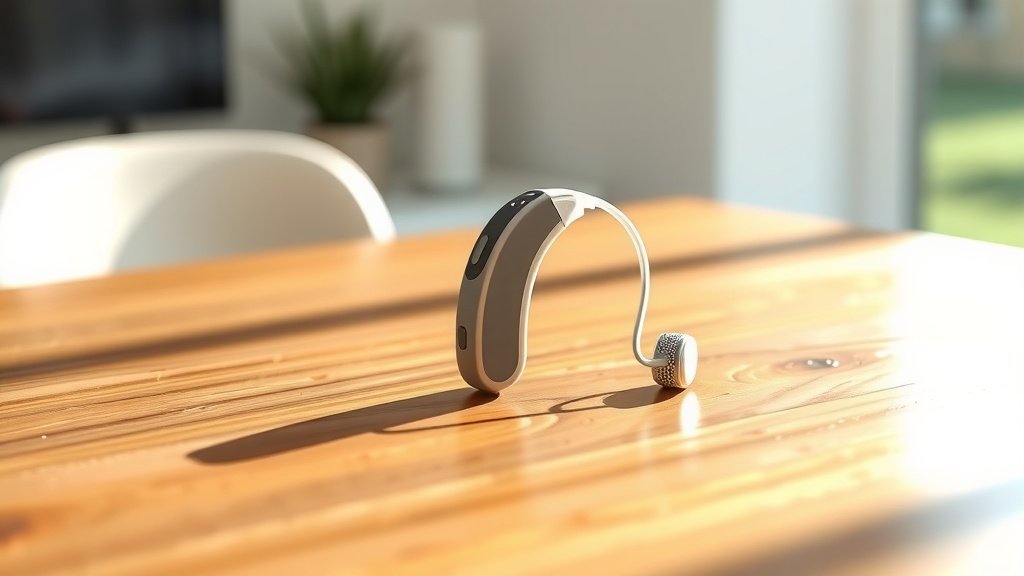
Sudden hearing loss in one ear can be an emergency and may require immediate medical attention. It’s important to seek help right away to determine the cause.
Recognizing the signs and acting fast is key in protecting your hearing health and ensuring the best possible outcomes.
Understanding Sudden Hearing Loss
Sudden hearing loss, often occurring in one ear, can be startling. You might wake up one morning unable to hear on one side. This condition is known as sudden sensorineural hearing loss (SSHL). It’s critical to address it swiftly.
Why Is Sudden Hearing Loss Considered an Emergency?
Many experts view sudden hearing loss as an emergency for a good reason. Quick medical intervention can often improve outcomes. According to the Mayo Clinic, treatments can be more effective when started early.
Common Causes of Sudden Hearing Loss
A variety of factors might lead to sudden hearing loss. Some causes include viral infections, circulation problems, or autoimmune diseases. Identifying the cause can guide effective treatment.
Viral Infections
Research shows viral infections can affect the inner ear, leading to sudden hearing loss (CDC). You might not notice any other symptoms, making it tricky to identify without professional help.
Circulation Issues
Your inner ear requires a good blood flow. Any disruption might cause sudden hearing loss. It’s like a roadblock preventing essential nutrients from getting through.
Autoimmune Diseases
Some autoimmune conditions can attack your inner ear. It’s like your body mistakenly believing your ear is the enemy.
Immediate Steps to Take
If you experience sudden hearing loss in one ear, the first step is to see a healthcare provider immediately. They might recommend a variety of tests and treatments to identify the issue.
Consult a Hearing Specialist
A specialist in ear health can conduct specific tests to determine what’s affecting your hearing. The tests might include hearing evaluations and possibly imaging studies.
Possible Treatments
Once the cause is known, treatment can begin. Therapies might include medications like corticosteroids or specialized treatments like hearing aids or cochlear implants.
Corticosteroids
From what I read, corticosteroids are often prescribed to reduce inflammation and swelling in the ear (NIH). They can be administered orally or injected into the ear.
Hearing Aids and Cochlear Implants
For some, technology might be the answer. Hearing aids can amplify sound, while cochlear implants bypass damaged parts of the ear, sending sound signals directly to the auditory nerve.
Living with Hearing Loss
Adapting to hearing loss involves using assistive devices and making lifestyle changes. Consider incorporating technology that fits your lifestyle and enhances communication.
Assistive Devices
I found that devices like amplified phones and alert systems can help you stay connected and safe at home.
Lifestyle Adjustments
Simple adjustments, like minimizing background noise during conversations, can make a big difference. These tweaks can greatly improve your daily interactions.
Conclusion
Sudden hearing loss in one ear should not be ignored. Acting swiftly can mean the difference between temporary and permanent hearing issues. If you experience this, seek medical attention immediately. Remember, understanding and timely action are your best tools.
FAQs
What causes sudden hearing loss in one ear?
Sudden hearing loss may be caused by viral infections, circulation problems, or autoimmune diseases. It’s crucial to identify the cause for effective treatment.
How quickly should I seek help for sudden hearing loss?
Immediately. Quick intervention can significantly improve the chances of recovery. Don’t wait to see if it resolves itself.
Can stress cause sudden hearing loss?
While stress itself is not a direct cause, it can contribute to health issues that might lead to sudden hearing loss. Managing stress is always beneficial for overall health.
Are there home remedies for sudden hearing loss?
While some treatments must be done by professionals, keeping calm and avoiding loud noises are helpful. See a doctor for the appropriate medical evaluation and treatment.
Will my hearing return to normal after treatment?
Many factors influence recovery. Early treatment can improve outcomes, but some people may experience permanent changes. Discuss expectations with your healthcare professional.