What Is the Difference Between a Hearing Aid and an Amplifier?
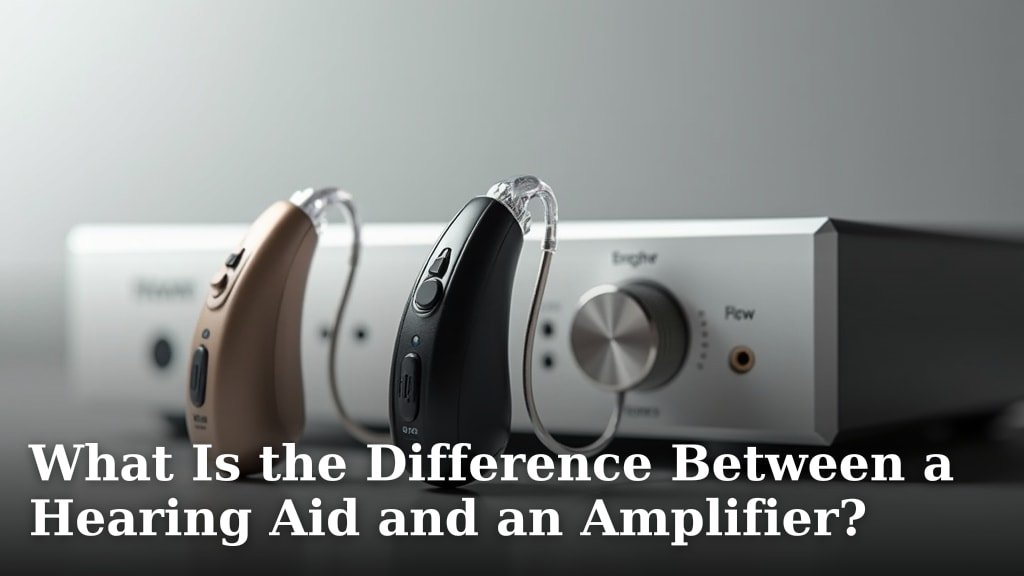
Comparing Hearing Aids and Sound Amplifiers
Understanding what sets these devices apart can help you make an informed decision. Hearing aids and amplifiers serve very different purposes for your ears.
One is a carefully calibrated medical tool, and the other is a simple sound booster. Let’s break down these distinctions.
Hearing Aids: Medical Devices for Hearing Loss
When you hear the term “hearing aid,” think medical treatment. These devices are designed to correct a specific problem: hearing loss. Your hearing loss might be mild, moderate, or severe, and it often affects different sound frequencies in unique ways.
A hearing aid isn’t just making everything louder. It’s programmed to enhance the sounds you struggle to hear without making already audible sounds overwhelmingly loud. This precise adjustment is key.
How Hearing Aids Work
Imagine your ear as a complex musical instrument. If certain strings are broken or out of tune, a hearing aid helps restore that harmony. It uses advanced digital technology to analyze sound.
Here’s the basic process:
- A microphone picks up sounds from your environment.
- A tiny computer chip processes these sounds. It separates speech from noise and adjusts volume and frequency based on your specific hearing loss pattern.
- An amplifier makes the processed sound louder.
- A speaker sends this enhanced, personalized sound into your ear canal.
This sophisticated processing creates a more natural listening experience for someone with hearing loss. It’s like getting a custom prescription for your ears.
The Role of an Audiologist
Getting a hearing aid always starts with a visit to an audiologist. This hearing healthcare professional will conduct a thorough hearing test. They will measure your ability to hear different pitches and volumes.
Based on these results, the audiologist diagnoses your type and degree of hearing loss. They then prescribe and program a hearing aid specifically for your needs. It’s a precise process, ensuring the device works just right for your unique ears.
Sound Amplifiers (PSAPs): Boosting Sound for Specific Situations
Now, let’s talk about sound amplifiers, often called Personal Sound Amplification Products (PSAPs). These devices are much simpler. They are not medical devices and are not intended to treat hearing loss.
Think of a PSAP like a megaphone. It takes all sounds and makes them louder across the board. There’s no sophisticated programming for specific frequencies or noise reduction.
Who Uses PSAPs?
PSAPs are designed for people with normal hearing who want a boost in certain listening situations. Maybe you’re birdwatching and want to hear distant chirps more clearly. Or perhaps you’re at a lecture and want to make sure you catch every word from the back of the room.
These are examples of situational hearing enhancement. You might not have hearing loss, but you find yourself in a situation where extra volume would be helpful. These devices are often available for purchase without a prescription, right off the shelf.
Limitations of Amplifiers for Hearing Loss
Using a PSAP if you have undetected hearing loss can be problematic. Simply making all sounds louder might actually damage your hearing further if the volume is too high. It also won’t address specific frequency losses, meaning some sounds might still be difficult to hear, while others become uncomfortably loud.
Many experts say that self-treating potential hearing loss with an amplifier is a bad idea (National Institutes of Health). You could miss the chance to get proper diagnosis and treatment.
Key Differences: Built for Different Needs
The core distinction lies in their intended use and how they achieve their function. One is a medical solution, the other is a general enhancement tool. It’s like comparing reading glasses to a magnifying glass; they both help you see text but are for different visual needs.
Here’s a quick comparison:
| Feature | Hearing Aid | Sound Amplifier (PSAP) |
|---|---|---|
| Purpose | Treats diagnosed hearing loss | Boosts sound for specific situations |
| Regulation | FDA-regulated medical device | Not FDA-regulated for hearing loss |
| Prescription | Generally requires a prescription (or audiologist fitting) | No prescription needed |
| Customization | Programmable for individual hearing loss | Limited or no customization |
| Sound Quality | Filters noise, enhances speech selectively | Amplifies all sounds equally |
| Cost | Typically more expensive | Generally less expensive |
Why Accurate Diagnosis Matters
You might be thinking, “Why can’t I just try an amplifier first if I suspect hearing loss?” That’s a fair question. However, an accurate diagnosis is super important for several reasons.
- An audiologist can determine the exact type and severity of your hearing loss.
- They can rule out underlying medical conditions that might be causing your hearing issues, some of which are treatable.
- Properly fitted hearing aids prevent further hearing damage from over-amplification.
- They provide the most effective solution for improving speech understanding and overall quality of life (American Academy of Audiology).
Choosing the Right Device for You
So, how do you decide which device is right? It really comes down to your personal situation and what you’re trying to achieve.
Consider this checklist:
- Do you often ask people to repeat themselves?
- Do you struggle to understand conversations in noisy places?
- Have friends or family members mentioned your hearing?
- Are you turning up the TV or radio louder than others prefer?
- Do you want to enhance sounds for a specific hobby, like birdwatching?
If you answered yes to any of the first four questions, you should definitely consider a professional hearing evaluation. This is not just about getting a device; it’s about your overall health. If your main goal is situational sound enhancement, then a PSAP might be suitable for you.
Remember, your hearing is precious. Protecting it and addressing any concerns early can make a big difference in the long run.
Conclusion
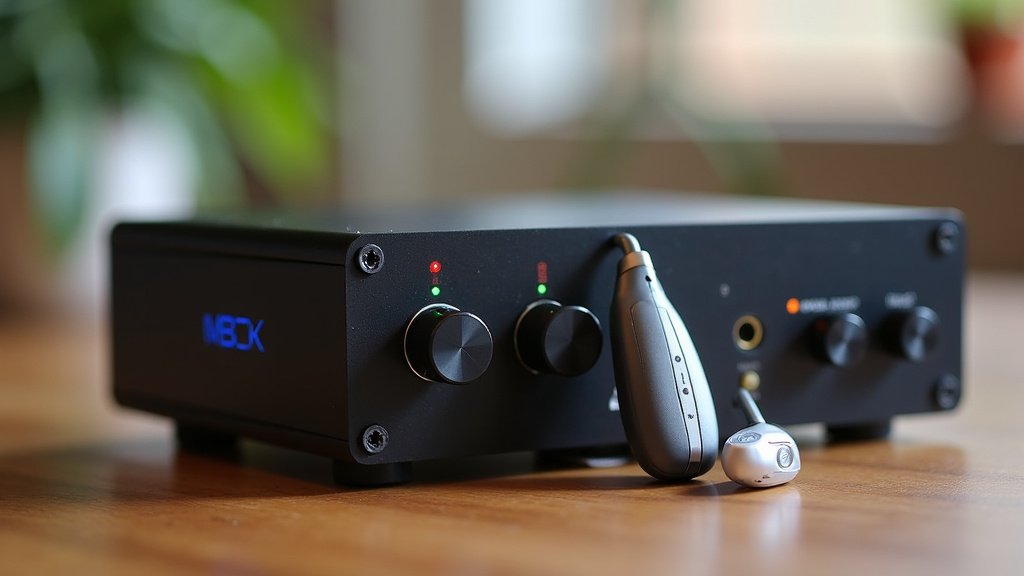
Understanding the difference between a hearing aid and a sound amplifier is essential for your hearing health. While amplifiers offer a simple boost for specific situations, they don’t address diagnosed hearing loss. Hearing aids are medical devices, carefully prescribed and programmed to correct your unique hearing profile.
Ignoring potential hearing loss or self-treating with an amplifier could lead to further issues. If you notice changes in your hearing, or if friends and family express concerns, the best step is to consult an audiologist. They can provide an accurate diagnosis and guide you toward the right solution, ensuring you protect your hearing and enjoy clear sound for years to come.
Frequently Asked Questions
Can a PSAP cure my hearing loss?
No, a PSAP (Personal Sound Amplification Product) cannot cure hearing loss. PSAPs are not medical devices. They only make all sounds louder and do not correct specific hearing deficiencies.
Is it safe to use an amplifier if I think I have hearing loss?
It’s generally not recommended to use an amplifier if you suspect hearing loss. Using too much volume could potentially damage your hearing further. Always get a professional evaluation first.
How much does a hearing aid cost compared to an amplifier?
Hearing aids are typically more expensive than amplifiers due to their advanced technology, customization, and professional fitting services. Amplifiers are generally much less costly and widely available off-the-shelf.
Will my insurance cover a hearing aid?
Insurance coverage for hearing aids varies greatly depending on your specific plan and state laws. Some plans offer partial benefits, while others may not cover them at all. It’s best to check directly with your insurance provider.
What’s the first step if I think I need a hearing aid?
If you suspect you need a hearing aid, your first step should be to schedule a comprehensive hearing test with an audiologist. They can accurately diagnose your hearing health. This professional evaluation is crucial for proper care.