How to Clean Hearing Aid Domes?
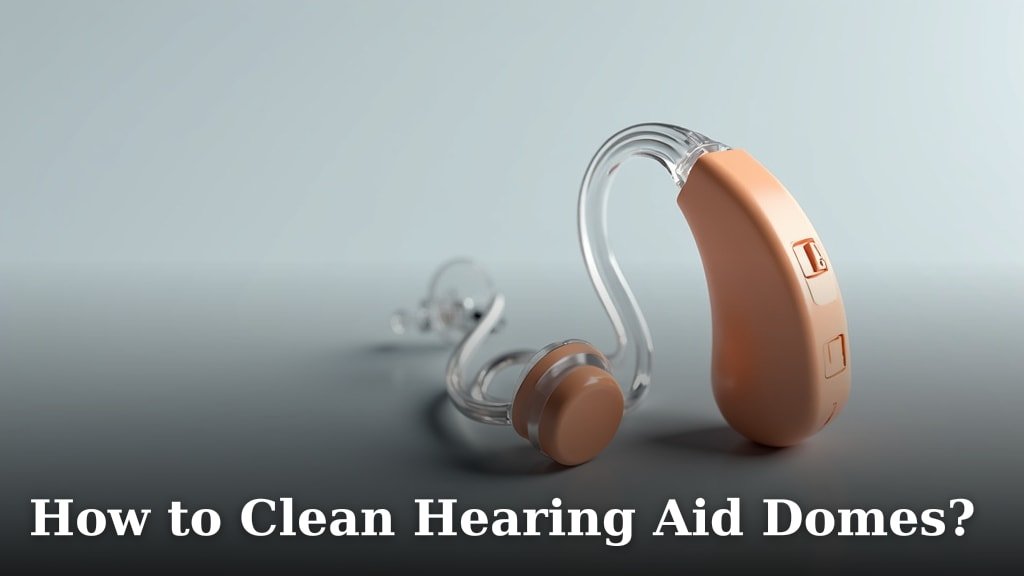
The easiest way to clean hearing aid domes is by gently wiping them with a soft, dry cloth or a specialized cleaning brush. For a deeper clean, you can carefully remove the dome and wash it in warm, soapy water, then rinse and let it air dry completely before reattaching.
Keeping your hearing aid domes clean is essential for optimal performance and your ear health. Dirty domes can block sound and even lead to ear infections, which nobody wants. We found that regular cleaning extends the life of your hearing aids and keeps your hearing clear.
TL;DR:
- Wipe domes daily with a dry cloth.
- Use a special cleaning brush for tough spots.
- Remove and wash domes in warm, soapy water weekly.
- Rinse thoroughly and allow domes to air dry completely.
- Never use alcohol or harsh chemicals.
Let’s walk through exactly how to keep your hearing aid domes spotless, step by step, ensuring you maintain great sound quality.
Maintaining Your Hearing Aid Domes
Keeping your hearing aid domes clean is crucial for both your hearing quality and ear health. Think of them as tiny filters; they keep your sound clear while protecting your ear canal. Neglecting this small but mighty component can lead to muffled sound, feedback, or worse, an ear infection.
We found that a simple routine makes all the difference. It takes just a few minutes each day, and it can save you bigger headaches down the line. Let’s make sure you’re cleaning them correctly each time.
Why Clean Domes Matter So Much
Your hearing aid domes sit right in your ear canal. This means they are constantly exposed to earwax, moisture, and skin cells. Over time, these can build up and become a real problem.
A blocked dome can significantly reduce the sound quality of your hearing aid. It’s like trying to listen to music through a muffled speaker. We also found that ignoring dome hygiene can lead to irritation or even infection in your ear (American Academy of Audiology).
- Ensures clear, consistent sound.
- Prevents earwax buildup from blocking sound.
- Reduces the risk of ear infections.
- Extends the lifespan of your hearing aids.
- Maintains comfort during wear.
Everyday Cleaning: Your Quick Routine
The best defense is a good offense, right? A quick, daily cleaning routine will prevent most issues before they start. This should be part of your nightly ritual, just like brushing your teeth.
When you take your hearing aids out in the evening, give the domes a quick once-over. This routine is super simple and only takes a few seconds. We found that consistency is key here.
Wiping Down Your Domes
Use a soft, dry cloth or a specialized cleaning wipe designed for hearing aids. Gently wipe down the entire surface of the dome. You’re looking to remove any visible earwax or debris that has accumulated during the day.
Make sure the cloth isn’t abrasive. You don’t want to scratch the dome or push debris further into the openings. Think of it as a gentle polish.
Using a Cleaning Brush
Many hearing aid cleaning kits come with a small brush. These brushes are perfect for dislodging stubborn bits of wax from the tiny holes in your dome. Hold the hearing aid with the dome facing downwards.
Brush gently in a downward motion. This helps gravity pull the debris out, rather than pushing it further in. Check all the small crevices for any lingering particles. We found these brushes to be surprisingly effective.
Deep Cleaning Your Hearing Aid Domes
While daily wiping is great for maintenance, a deeper clean is needed periodically. We recommend doing this once a week, or more often if you produce a lot of earwax or are in dusty environments. This step requires removing the dome from the hearing aid.
Always be gentle when detaching the dome. You don’t want to damage the delicate receiver or the dome itself. Let’s walk through the right way to do this.
Safe Removal of the Dome
To prepare for a deep clean, you first need to detach the dome from the receiver. Grasp the hearing aid firmly. Use your other hand to gently pull the dome straight off the receiver. Avoid twisting or yanking.
Some domes might be a bit snug, but they should slide off with a firm, steady pull. If yours feels stuck, consult your audiologist or the hearing aid manual. We found that a good grip is essential here.
Washing Your Domes Thoroughly
Once removed, you can wash the domes. Use a small bowl of warm water with a tiny drop of mild soap. Dish soap works fine, but avoid harsh detergents. Swish the domes around gently in the soapy water.
You can use a soft brush (like an old, soft toothbrush) to carefully scrub away any remaining wax or debris. Pay close attention to the sound openings. We found this step is where most of the deep cleaning happens.
Important: Never submerge the actual hearing aid or receiver in water. Only the detached dome should be washed. Water can severely damage the electronic components of your hearing aid.
Rinsing and Drying Procedures
After washing, rinse the domes thoroughly under cool, running water. Make sure all soap residue is gone. Soap can irritate your ear or leave a film that attracts more wax.
After rinsing, shake off any excess water. Then, lay the domes on a clean, lint-free cloth or paper towel to air dry completely. This is perhaps the most critical step. We found that patience is a virtue here.
Never reattach a wet or even slightly damp dome. Moisture inside your ear canal can cause irritation or provide a breeding ground for bacteria (Cleveland Clinic). Air drying can take several hours, so plan this cleaning for a time when you won’t need your hearing aids.
You can also use a hearing aid drying kit or a dehumidifier specifically designed for hearing aids. This speeds up the process and ensures all moisture is gone. This is a great option if you live in a humid climate.
What to Avoid When Cleaning Hearing Aid Domes
Just as important as knowing what to do, is knowing what not to do. Some cleaning agents or methods can actually harm your domes, or even your ears. We want to protect your investment and your health.
Steering clear of these common mistakes will ensure your domes last longer and perform better. Think of this as your “do not touch” list for cleaning.
Harmful Cleaning Agents
You might be tempted to use strong cleaners for a “super clean,” but resist the urge. Solutions like alcohol, hydrogen peroxide, bleach, or other harsh chemicals can damage the delicate material of your domes. They can make the material brittle, discolor it, or cause it to degrade over time.
We found that these agents can also leave residues that irritate your skin. Stick to mild soap and water. It’s simple, safe, and effective.
Sharp Objects and Excessive Force
Avoid using sharp objects like pins, needles, or toothpicks to clean the dome openings. While they seem precise, they can easily puncture or stretch the dome material. Punctures can compromise the sound quality and comfort, and even allow more debris inside.
Also, don’t use excessive force when cleaning or removing domes. You risk tearing the dome or damaging the delicate receiver. Gentle is the name of the game here. We found a light touch is always best.
Getting the Receiver Wet
As we mentioned earlier, the hearing aid’s receiver (the part the dome attaches to) contains electronics. Water and electronics don’t mix. Even a tiny drop of water can cause irreversible damage.
Always detach the dome before washing. If you accidentally get the receiver wet, remove the battery immediately and place the hearing aid in a drying kit or a container with desiccants for at least 24-48 hours. Then, contact your audiologist.
When to Replace Your Hearing Aid Domes
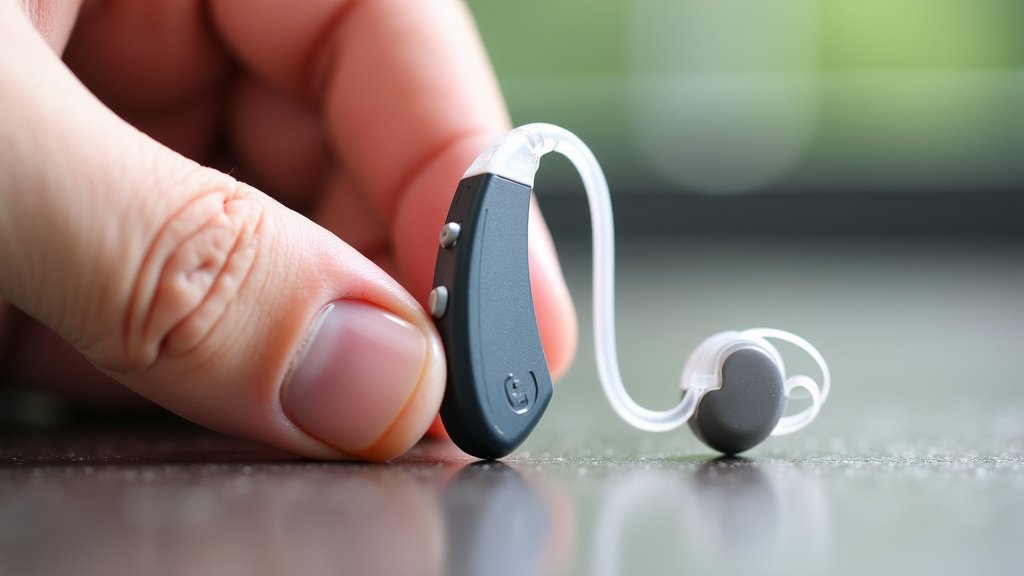
Even with the best cleaning routine, domes don’t last forever. They are designed to be replaced periodically. Over time, the material can become stiff, discolored, or stretched, affecting both comfort and sound.
Knowing when to replace them is part of good maintenance. We found that most people don’t replace them often enough. Your audiologist can provide specific recommendations for your type of dome.
Signs It’s Time for a New Dome
How do you know when it’s time for a fresh dome? Look for a few key indicators. If your dome is visibly torn, cracked, or has holes, it’s definitely time. These imperfections can affect sound quality and cause feedback.
If the dome feels stiff, less pliable, or has changed color significantly, it’s likely degrading. If you experience discomfort or a poor fit, a new dome might resolve the issue. We heard from many users that a fresh dome feels like a new lease on their hearing.
Many experts say to replace domes every 2-3 months, or sooner if needed (National Institutes of Health).
Checklist for Dome Replacement
Not sure if you need a new dome? Run through this quick checklist:
- Is the dome discolored or yellowish?
- Does the dome feel stiff or brittle?
- Are there any visible tears, cracks, or holes?
- Is the fit less comfortable than before?
- Are you experiencing more feedback than usual?
- Has it been more than 3 months since the last replacement?
If you answered yes to any of these, it’s probably time to reach out to your hearing care professional for new domes. They can ensure you get the correct size and type.
Troubleshooting Common Dome Issues
Even with best practices, you might encounter an issue or two. Don’t worry, many common problems have simple solutions. We’ve compiled a quick guide to help you out.
Sometimes, a simple adjustment or a good clean is all it takes to get things back on track. Let’s look at some things you might experience.
Muffled Sound
If your hearing aid sounds muffled, the first culprit is often a blocked dome. Earwax is the most common obstruction. Perform a thorough cleaning as described above.
If cleaning doesn’t help, check if the dome needs replacement. A worn-out dome can also impact sound quality. We found this is the most common reason for a sudden drop in clarity.
Feedback or Whistling
Hearing a whistling sound, or “feedback,” often means sound is escaping your ear and being picked up by the microphone. This can happen if your dome isn’t sealing properly in your ear canal.
Check if the dome is sitting correctly. If it’s old or damaged, replace it. Sometimes, a dome that is too small can also cause feedback. Your audiologist can help determine if a different size or style of dome is needed.
Discomfort or Ear Irritation
If your ear feels itchy, sore, or irritated, your dome might be dirty or damaged. A scratchy dome can irritate the delicate skin of your ear canal.
Clean your dome thoroughly. If discomfort persists, inspect the dome for any sharp edges or tears, and consider replacing it. If the irritation continues, especially with redness or discharge, contact your doctor or audiologist promptly as it could be an infection.
| Issue | Likely Cause | Recommended Action |
|---|---|---|
| Muffled Sound | Wax blockage, worn dome | Clean thoroughly; replace dome if old. |
| Feedback/Whistling | Poor seal, incorrect dome size | Reseat dome; replace dome; consult audiologist. |
| Discomfort | Dirty dome, damaged dome, incorrect fit | Clean dome; replace dome; consult audiologist. |
| Dome Falls Off | Stretched dome, incorrect size | Replace dome; consult audiologist for better fit. |
Conclusion
Maintaining clean hearing aid domes is a simple yet powerful habit. You’ve learned how a regular cleaning routine protects your investment and ensures crystal-clear sound. We found that a few minutes daily and a weekly deep clean make all the difference. By ditching harmful chemicals and knowing when to replace domes, you’ll keep your hearing aids performing their best. Make these steps part of your routine, and enjoy improved hearing and comfort every day.
Frequently Asked Questions
Can I use rubbing alcohol to clean my hearing aid domes?
No, you should never use rubbing alcohol or other harsh chemicals. These can damage the delicate material of your domes, making them brittle or discolored. Stick to mild soap and warm water for deep cleaning.
How often should I replace my hearing aid domes?
Most experts recommend replacing your domes every 2-3 months. However, if you notice visible tears, discoloration, stiffness, or discomfort, replace them sooner. Regular replacement ensures optimal sound quality and comfort.
What if my hearing aid dome gets stuck in my ear?
If a dome accidentally gets stuck in your ear canal, do not attempt to remove it yourself with tweezers or cotton swabs. Contact your audiologist or a medical professional immediately. They have the right tools and expertise to remove it safely.
My domes are always full of earwax. What can I do?
Increased earwax production might require more frequent cleaning. Ensure you’re performing the daily wipe-down and weekly deep clean consistently. You may also want to consult your audiologist about earwax management strategies or a different type of dome.
Can I wear my hearing aids while swimming or showering?
No, you should always remove your hearing aids, including the domes, before swimming or showering. Water can severely damage the electronic components of your hearing aid. Even water-resistant models are not designed for full submersion.
