
How to Stop Hearing Aid Feedback?
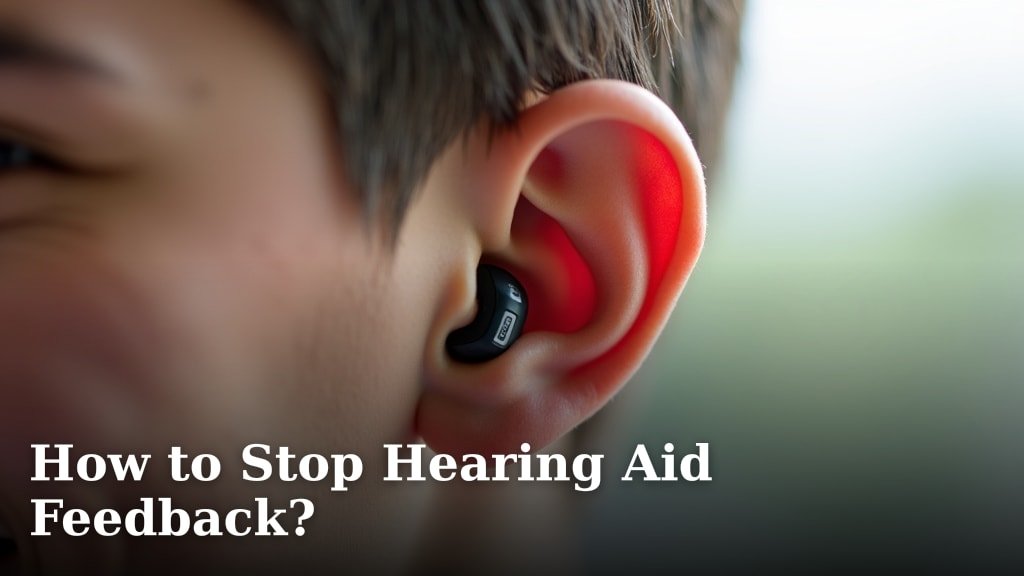
To stop hearing aid feedback, you must identify the source of the whistling sound and fix it. This often involves simple adjustments to your device or how you wear it. We found that most feedback issues are easy to resolve at home without needing an audiologist.
Is that annoying whistling sound driving you crazy? You are not alone. Many hearing aid users experience feedback. It can be surprising, but it means your hearing aid’s microphone is picking up sounds from its own receiver. This creates a loop, leading to that familiar, high-pitched squeal.
- Check for proper hearing aid fit.
- Clean earwax from your ears and device.
- Adjust the volume setting.
- Ensure your hand or clothing isn’t covering the microphone.
Let’s walk through the common reasons for feedback and what you can do about it. By understanding the causes, you can quickly get back to clear, comfortable listening.
Understanding Why Hearing Aids Whistle
That whistling sound is often called feedback. It happens when sound escapes your ear canal and gets picked up by your hearing aid’s microphone again. Think of it like a public speaker getting too close to a microphone, causing a screech. Your hearing aid does the same thing, but in miniature.
We found that understanding the cause helps you fix it faster. Most feedback issues point to one of a few common problems. It’s usually an issue with fit, earwax, or volume. We’ll explore each of these areas in detail.
Addressing Improper Fit and Placement
A poor fit is a top reason for feedback. If your hearing aid doesn’t sit snugly in your ear, sound can leak out. This escaping sound hits the microphone, starting the feedback loop. Small gaps make a big difference here.
Ensuring a Secure Fit
When you put your hearing aid in, make sure it feels secure. It shouldn’t feel loose or wobbly. We often compare this to wearing a good pair of shoes; they should feel comfortable but not sloppy. A tight seal is your goal.
- Gently push the hearing aid fully into your ear canal.
- Check if the dome or earmold is seated correctly.
- Ensure no hair or glasses are creating a gap around the device.
- If you wear glasses, put your hearing aids in first, then your glasses.
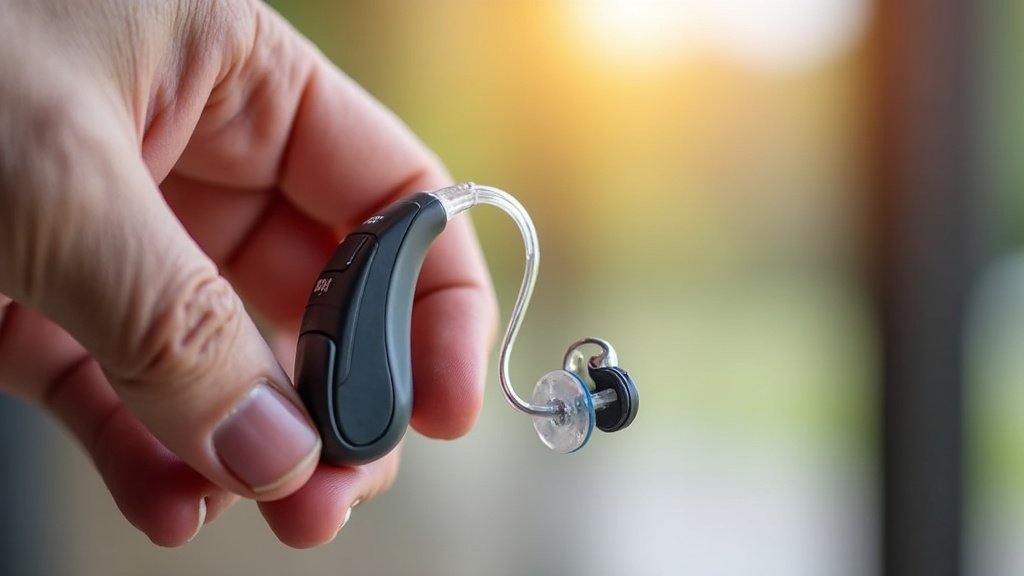
If your hearing aid is behind-the-ear (BTE), check the tubing. Is it crimped? Is it too long or too short? We’ve found that tubing issues can also disrupt the fit and cause feedback.
Considering Earmold or Dome Size
The part of your hearing aid that goes into your ear is key. This could be a soft dome or a custom-made earmold. If it’s too small, it won’t seal properly. If it’s too large, it might not go in far enough or feel uncomfortable.
Many experts recommend getting your ear re-evaluated if you suspect a wrong size (American Academy of Audiology). Our research suggests that ear shapes can change over time. Weight fluctuations or natural aging can affect how well an earmold fits. You might need a new earmold or a different size dome.
Cleaning Up: Earwax and Debris
Earwax is a natural part of our bodies, but it can be a real headache for hearing aid users. If earwax builds up in your ear or on your device, it can block the sound path. This forces the sound to bounce back, causing feedback. It’s like having a tiny dam in your ear.
Managing Earwax in Your Ear
Your ear naturally produces wax. Sometimes it builds up too much. This can create a physical barrier and force your hearing aid to “listen” to its own output. Preventing excessive earwax buildup is a simple yet effective step.
We found that regular, gentle ear cleaning can help. Only clean the outer ear and never insert anything into your ear canal, like cotton swabs. Many guidelines point to softening drops for stubborn wax, but always consult your doctor first (Mayo Clinic).
Cleaning Your Hearing Aid Regularly
Your hearing aid itself can get dirty. Wax, skin cells, and dust can clog the sound port or microphone. A blocked sound port means sound can’t get to your eardrum efficiently. Where does the sound go? It leaks out and causes feedback.
Always use the specific cleaning tools your audiologist provided. We recommend a soft brush, a wax pick, and a dry cloth. Be gentle. You’re working with delicate electronics.
| Problem Area | What to Check | Quick Fix |
|---|---|---|
| Fit | Is it loose? Does it feel secure? Is tubing crimped? | Reseat it, try different dome size, check tubing. |
| Earwax (Ear) | Visible buildup in ear canal? Feeling muffled? | Gentle outer ear cleaning, wax softening drops (doctor advised). |
| Earwax (Device) | Is the sound port or microphone visible? Clogged? | Clean with brush/pick, replace wax guards. |
| Volume | Is it too loud for your current environment? | Turn volume down gradually. |
| Obstructions | Hand, hat, phone, scarf too close? | Move obstruction, ensure clear path to microphone. |
Adjusting Settings and Volume
Sometimes the issue isn’t physical. It might be how your device is set up. You have volume controls for a reason! Over-amplification is a surprisingly common feedback cause.
Lowering the Volume Gradually
Is your hearing aid too loud? Perhaps you turned it up in a noisy environment and forgot to turn it down. If the volume is set too high, the sound it produces can easily escape and get picked up by the microphone. This is especially true if you have a mild leak in your ear’s seal.
Try turning the volume down slightly. Does the feedback stop? If it does, you’ve found your culprit. We often hear from users that a subtle adjustment makes all the difference. You want to hear, not over-amplify.
Checking Program Settings
Your hearing aid might have different program settings for various environments. For example, there might be a program for quiet conversations and another for noisy restaurants. If you’re using a “loud” program in a quiet space, it could lead to feedback.
Cycle through your different programs. Does one sound clearer? Does another cause feedback? Many modern hearing aids have automatic feedback cancellation features within certain programs. Make sure these are active if available.
Addressing External Factors and Obstructions
Your surroundings and even what you wear can cause feedback. It’s not always the hearing aid’s fault. Our research shows that external objects are often overlooked causes of that high-pitched squeal.
Keeping Hands and Objects Away
If you cup your hand over your ear or get too close to a phone receiver, you can create feedback. What happens? You’re essentially creating a small, enclosed space that traps sound. This trapped sound then bounces back into the microphone.
Be mindful of objects near your ear. Phones, hats, scarves, and even strong hugs can trigger feedback. Keep a bit of distance between your hearing aid and anything that might block its path. Think of it as giving your hearing aid some breathing room.
Telephone Use Techniques
Holding a phone to your ear can be a notorious feedback generator. This is because the phone speaker gets very close to the hearing aid microphone, creating a direct feedback loop. We often advise users to try different phone positioning.
Try holding the phone slightly above or below your ear. You might also want to try using a speakerphone if possible. Many modern hearing aids have a “telecoil” or “T-coil” feature designed for phone use. Consult your audiologist to see if your device has this and how to activate it.
When to Seek Professional Help
While many feedback issues are simple fixes, some require a professional touch. Don’t hesitate to reach out to your audiologist if you can’t resolve the problem yourself. They are your allies in better hearing.
You should consider a visit if:
- The feedback is constant, no matter what you try.
- You experience ear pain or discomfort.
- You suspect a major change in your hearing.
- The earmold or dome no longer fits well after trying adjustments.
- Your hearing aid is damaged or not working correctly.
Your audiologist can perform a thorough check of your ears and your device. They can reshape earmolds, adjust programming, and address more complex issues. They have specialized tools to diagnose problems that you cannot see or feel. Don’t let endless feedback frustrate you.
Conclusion
Dealing with hearing aid feedback can be frustrating, but as we’ve discussed, many solutions are within your reach. You’ve learned that a simple adjustment to fit, routine cleaning, or a change in volume can often silence that annoying whistle. We found that being proactive about these small fixes makes a big difference in your daily listening comfort.
Don’t let feedback diminish your hearing experience. Try applying these tips to solve the issue. If the squeal persists, remember that your audiologist is there to help. They can provide personalized solutions to get you back to clear, comfortable hearing.
Frequently Asked Questions
Why does my brand new hearing aid have feedback?
Even new hearing aids can have feedback if they don’t fit perfectly or if the volume is too high for your ear canal. Sometimes, minor earwax can cause issues even when the device is new. Your audiologist can often make a quick adjustment.
Can hearing aid feedback damage my hearing?
Generally, hearing aid feedback itself is not loud enough or sustained enough to cause hearing damage. It’s more of an annoyance. However, consistent loud sounds of any kind are not good for your ears over time.
My hearing aid has feedback only when I chew. What causes this?
Chewing moves the muscles and cartilage around your ear canal, which can temporarily change its shape. This movement can break the seal of your hearing aid, allowing sound to leak out and feedback to occur. Check your earmold or dome fit closely.
How do I know if my earwax is causing the feedback?
If you notice the feedback is accompanied by a muffled sound or a feeling of fullness in your ear, earwax might be the culprit. You might also see wax on the part of your hearing aid that goes into your ear. Gently clean your device and consult a doctor for ear canal cleaning.
Should I try to fix a broken hearing aid myself?
We do not recommend attempting to repair a broken hearing aid yourself. These are delicate electronic devices. You risk causing further damage or voiding your warranty. Always contact your audiologist or the device manufacturer for professional repair.
