
How to Dry Out Wet Hearing Aids?
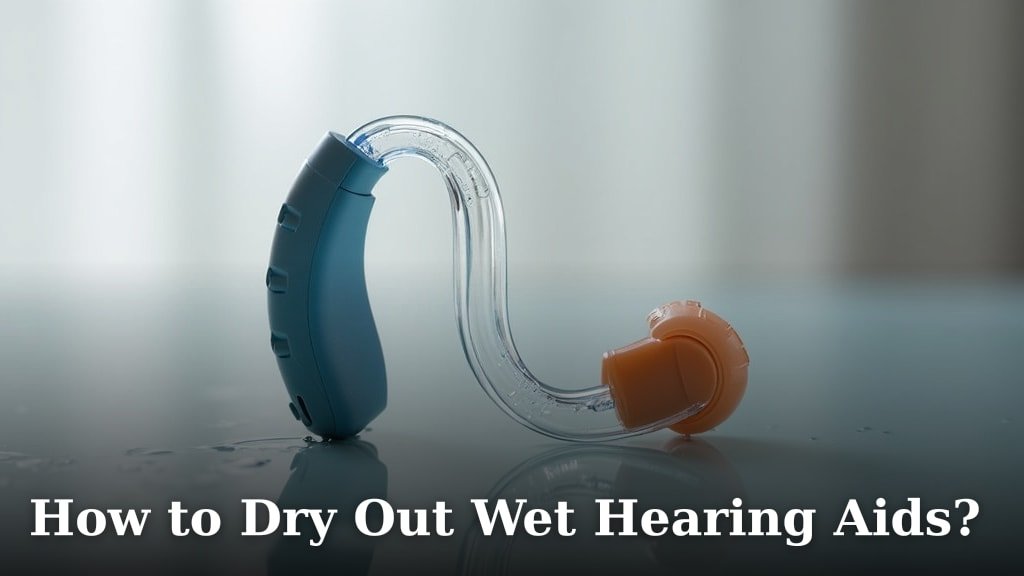
To dry out wet hearing aids, the easiest way is to use a hearing aid dehumidifier or a drying box immediately. If you don’t have one, place them in a container with rice or desiccant packets for at least 24-48 hours to absorb moisture. This method is effective for minor moisture exposure.
Many experts say that acting quickly is key to preventing permanent damage to your devices. Water exposure can cause corrosion and electronic failure, so proper drying techniques are vital for maintaining your hearing aids’ longevity. We found that even a little moisture can lead to big problems down the road.
- Act fast if your hearing aids get wet.
- Use a dehumidifier or drying box for best results.
- Rice or desiccant packets are good alternatives.
- Never use heat or direct sunlight to dry them.
- Call your audiologist if they still don’t work.
Let’s walk through exactly how to tackle this common problem, step by step, to keep your hearing aids in top shape.
Effectively Drying Your Wet Hearing Devices
When your hearing aids get wet, acting quickly is your best defense. The goal is to remove moisture before it can cause permanent damage. Think of it like a race against corrosion – every second counts!
Immediate Steps After Exposure
The moment you realize your hearing aids are wet, take a deep breath. Panicking won’t help. Instead, follow these immediate, simple steps to start the drying process.
Powering Down and Removing Components
First things first: turn off your hearing aids immediately. This helps prevent short circuits. If your aids have removable batteries, open the battery door and take them out. For rechargeable models, simply power them down. Many experts say this is a critical first step to minimize immediate electrical damage.
Next, carefully wipe any visible moisture from the surface using a soft, dry, lint-free cloth. Pay attention to all crevices and openings. Don’t rub too hard; gentle blotting is key here. You’re just getting the surface dry right now.
If you have Behind-The-Ear (BTE) hearing aids, disconnect the ear molds and tubes from the hearing aid body. You can gently shake out any water from the tubing. For In-The-Ear (ITE) or Receiver-In-Canal (RIC) models, focus on wiping moisture from the entire device.
Preferred Drying Methods
Once you’ve done the initial wipe-down, it’s time for more serious drying. We’ve explored different methods, and some are definitely better than others for your delicate electronics.
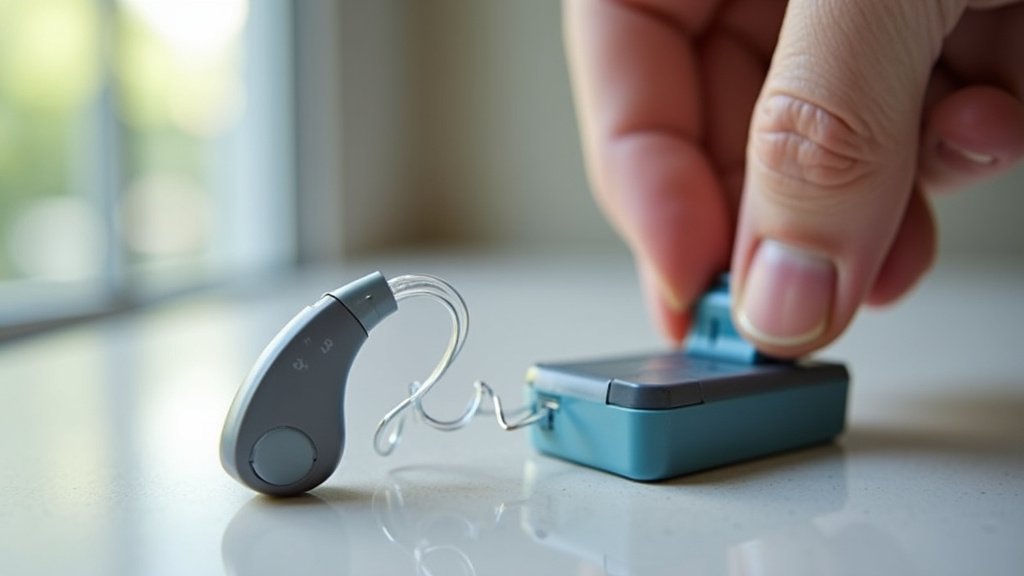
Using a Hearing Aid Dehumidifier or Drying Box
The absolute best way to dry wet hearing aids is with a dedicated hearing aid dehumidifier or drying box. These devices are designed specifically for this purpose. They use gentle heat, UV light, or desiccant airflow to safely and thoroughly remove moisture. Many audiologists recommend these as the gold standard for daily maintenance, not just emergencies (American Academy of Audiology).
- Place your disassembled hearing aids (without batteries) inside the drying box.
- Close the lid and turn it on.
- Allow the cycle to complete, typically 3-8 hours, depending on the model.
- These devices are a worthwhile investment for anyone with hearing aids.
Desiccant-Based Drying Options
If you don’t have a fancy drying box, don’t worry. Desiccants are your next best friend. Desiccants are substances that absorb moisture from the air. You might recognize them as those tiny “do not eat” packets often found in new shoes or electronics.
- Desiccant packs specifically for hearing aids: These are available from your audiologist or online. They often come in a jar or cup designed to hold your hearing aids. Place your aids in the container with the desiccant and seal it.
- Silica gel packets: These are effective and widely available. Gather several packets and place them with your hearing aids in a sealed, airtight container.
- Uncooked rice (as a last resort): We found that rice is a common household remedy, but it comes with a caveat. While rice can absorb moisture, its effectiveness isn’t as high as professional desiccants. Plus, tiny grains or starch dust can sometimes get into the hearing aid’s ports. If you use rice, ensure your hearing aids are wrapped in a thin tissue to prevent direct contact.
Regardless of the desiccant type, leave your hearing aids in the container for at least 24-48 hours. The longer, the better, especially if they were very wet. Avoid the urge to check them too soon; patience is a virtue here!
How NOT to Dry Hearing Aids
While rapid drying is important, how you achieve it matters immensely. Some methods can cause more harm than good and should be avoided at all costs. Think of these as the “don’t even think about it” rules.
Harmful Drying Techniques to Avoid
Never, ever use high heat or forced air to dry your hearing aids. This includes hair dryers, ovens, microwaves, or placing them on radiators. The delicate electronic components and plastic casings can melt, distort, or be severely damaged by excessive heat. We’ve seen cases where people tried these methods and ended up ruining their devices.
Similarly, direct sunlight is not your friend. While it might seem like a natural drying method, the intense heat and UV rays from the sun can also damage the plastic and internal circuitry of your hearing aids.
Also, resist the temptation to use household sprays or cleaning solutions. These can introduce more moisture or chemicals that could corrode the internal parts. Stick to methods specifically designed for electronics and hearing aids.
| Do’s | Don’ts |
|---|---|
| Turn off immediately | Use a hair dryer |
| Remove batteries | Put in an oven or microwave |
| Wipe with a soft cloth | Leave in direct sunlight |
| Use a dedicated drying box | Use harsh cleaning chemicals |
| Place with desiccant packets | Attempt to open them yourself |
When to Consult a Professional
You’ve done everything right, followed all the steps, and waited patiently. But your hearing aids still aren’t working? It might be time to call in the experts.
Recognizing Signs of Permanent Damage
If, after 48 hours of thorough drying, your hearing aids remain unresponsive, produce distorted sound, or make unusual noises, they may have suffered permanent damage. Sometimes, even with the best efforts, water can work its way into critical components. Corrosion can set in quickly, and once it does, it’s very difficult to reverse.
Don’t try to repair them yourself. Opening up your hearing aids can void warranties and cause more harm. These are complex, miniature devices that require specialized tools and knowledge for repair.
Contacting Your Audiologist or Manufacturer
Your audiologist is your go-to resource in this situation. Call them, explain what happened, and describe the steps you took to dry them. They can advise you on the next steps, which might include:
- Bringing them in for a professional inspection and cleaning.
- Sending them to the manufacturer for repair under warranty (if applicable).
- Discussing replacement options if the damage is irreparable.
Many hearing aid warranties include some coverage for moisture damage, especially if your devices are relatively new. It’s always worth checking your manufacturer’s specific policy.
Preventative Measures for Moisture Protection
An ounce of prevention is worth a pound of cure, especially when it comes to your hearing aids. Protecting them from moisture should be part of your daily routine. Think ahead to avoid those “oh no!” moments.
Daily Habits to Keep Hearing Aids Dry
Make a habit of removing your hearing aids before showering, swimming, or engaging in any water-related activities. This seems obvious, but it’s easy to forget in a busy routine. Always store them in a safe, dry place away from humidity, like your bedside table or a dedicated drying station.
Consider purchasing a general-purpose drying box for daily use. Even if your hearing aids didn’t get soaked, they are exposed to body moisture (sweat) and humidity every day. Regular use of a dehumidifier can significantly extend their lifespan by preventing the slow buildup of internal moisture.
If you live in a humid climate or are prone to sweating, talk to your audiologist about moisture-resistant options. Some hearing aids are designed with higher IP ratings, indicating better protection against dust and water ingress. This might not save soaked aids, but it offers better daily resilience.
Checklist for Protecting Your Hearing Aids from Moisture
- Remove hearing aids before showering, swimming, or bathing.
- Place them in a drying box or with desiccant nightly.
- Wipe them down daily with a dry cloth to remove surface moisture.
- Store them in a cool, dry place, away from bathrooms or windows.
- Keep them out of reach of children and pets who might play with them (and drop them in water!).
By incorporating these simple habits, you’ll greatly reduce the risk of future water damage. Your hearing aids work hard for you every day, so a little daily care goes a long way in ensuring their longevity and reliable performance.
Conclusion
Dealing with wet hearing aids can be stressful, but acting quickly and correctly makes a big difference. You now know the vital steps: power down, wipe gently, and then apply a safe drying method. Remember, dedicated dehumidifiers offer the best protection. If those aren’t handy, professional desiccant packets are your next best option. Avoid harmful heat at all costs.
Prioritizing prevention through daily habits and a drying box will significantly extend your aids’ life. If they still don’t work after drying, don’t hesitate to call your audiologist. Protecting your hearing aids means protecting your ability to hear the world clearly, so take these steps seriously.
Frequently Asked Questions
Can I use a fan to dry my wet hearing aids?
While a fan might seem gentle, it’s generally not recommended. Fans simply blow air, but don’t effectively remove moisture embedded inside the devices. They can also introduce dust, which could cause further problems with the delicate internal components.
How long should I wait before trying my hearing aids again after drying them?
After using a drying box or desiccant system, it’s best to wait at least 24 to 48 hours. Patience is key to ensure all moisture has fully evaporated. Trying them too soon risks short-circuiting if water is still present.
My hearing aids are water-resistant. Do I still need to dry them?
Yes, even water-resistant hearing aids can suffer damage from excessive moisture exposure. “Water-resistant” means they can handle splashes or light rain, not full submersion. Always dry them thoroughly if they get significantly wet to prevent long-term issues.
What if I accidentally put my hearing aids in the washing machine?
If your hearing aids went through a washing machine cycle, the damage is likely severe. Immediately remove them, wipe thoroughly, and place them in a drying box or with strong desiccants for an extended period. Contacting your audiologist or manufacturer right away is your best bet for possible repair or replacement options.
Can a hair dryer on a cool setting dry my hearing aids safely?
Even a cool setting on a hair dryer is too risky. The force of the air can push moisture deeper into the device, and even “cool” air from a hair dryer can contain residual heat that can damage sensitive electronics. Stick to methods designed for electronics.
