
What Is a RIC Hearing Aid?
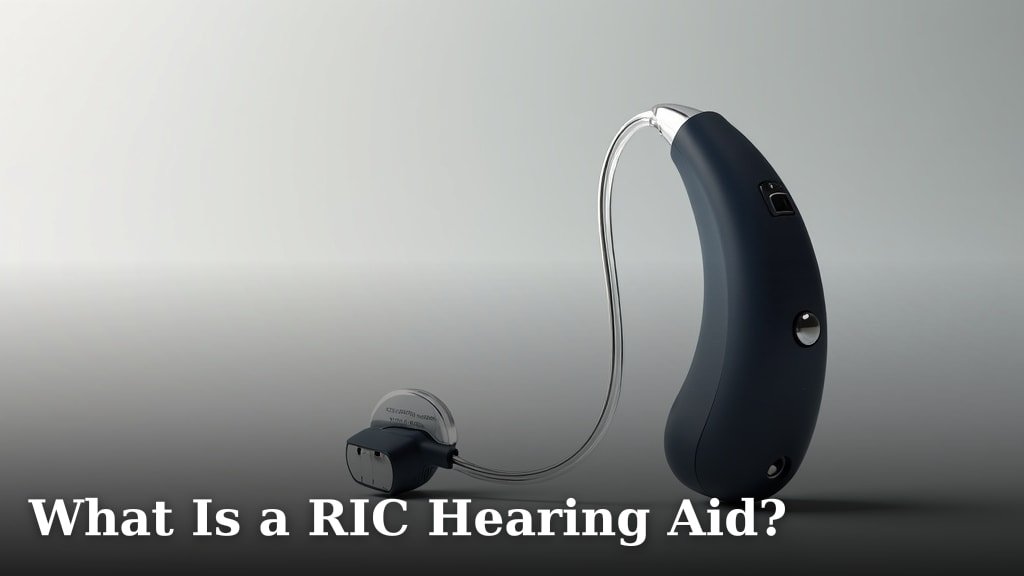
A RIC hearing aid, or Receiver-in-Canal hearing aid, is a popular style where the tiny speaker (receiver) sits directly in your ear canal. This design connects to a small case behind your ear via a thin wire. It’s known for offering a natural sound experience with comfort and discretion.
These devices are small and discreet. They are chosen by many people because they are nearly invisible. We found that users often appreciate the clear sound quality and how easily they blend into everyday life. You get the benefits of better hearing without a bulky device.
- RIC stands for Receiver-in-Canal.
- The speaker sits in your ear.
- A thin wire connects to a case behind your ear.
- They are very small and discreet.
- Sound quality is often described as natural.
Let’s walk through everything you need to know about RIC hearing aids, helping you understand their benefits and how they work.
Understanding Receiver-in-Canal Hearing Aids
Receiver-in-Canal (RIC) hearing aids offer a modern approach to better hearing. They are a popular choice for many reasons, combining advanced technology with user comfort and discretion.
You might wonder what makes them different. It’s all in their unique design. Unlike traditional hearing aids where the speaker is inside the main unit, with a RIC, it’s placed directly in your ear canal.
This design helps deliver sound more directly to your eardrum. Many users report a clearer and more natural listening experience as a result. Think of it like bringing the sound source closer to where it needs to go.
How a RIC Hearing Aid Works
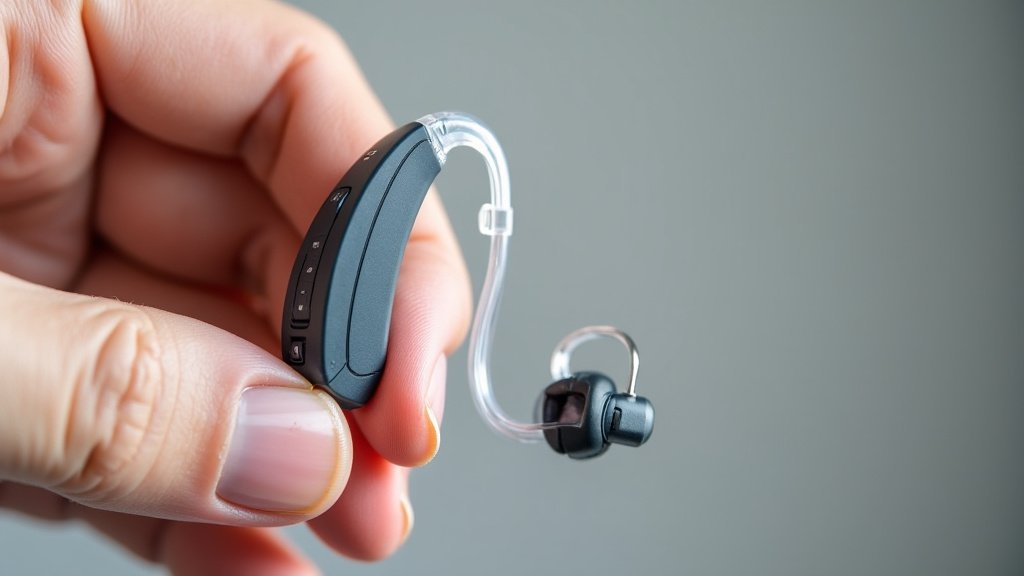
Let’s break down the mechanics. A RIC hearing aid has three main parts. First, there’s a small housing that sits behind your ear. This part contains the microphone, amplifier, and battery.
Next, a very thin, nearly invisible wire extends from this housing. This wire carries the amplified sound signals. It wraps discreetly over the top of your ear, leading directly into your ear canal.
Finally, at the end of this wire is the “receiver” or speaker. This tiny component rests comfortably inside your ear canal. It’s often covered by a soft, dome-shaped tip or a custom earmold (National Institute on Deafness and Other Communication Disorders).
The Journey of Sound
How does sound get to you? The microphone on the behind-the-ear unit picks up sounds around you. These sounds are then processed and amplified. This happens within the tiny computer inside the housing.
The amplified signal travels down the thin wire. It reaches the receiver in your ear canal. From there, the sound is delivered directly into your ear, where your natural hearing process takes over.
This direct delivery minimizes distortion. It helps create a richer sound quality. Many people find the sound from RICs to be quite pleasant and easy to adapt to.
Key Benefits of Choosing RIC Hearing Aids
Why do so many people choose RICs? We find several compelling advantages. They are not just about hearing better; they are about living better with hearing support.
One major benefit is their small size and discreet appearance. Because the main unit is small and sits behind the ear, and the wire is thin, they are barely noticeable. This can boost your confidence in social settings.
Another popular advantage is the comfort. The receiver in your ear canal is usually small and light. Many users forget they are even wearing them after a short time (Mayo Clinic).
Improved Sound Quality and Versatility
The sound quality is a big draw. Placing the receiver in the ear canal means less interference. It helps create a more natural and clear sound. This is particularly helpful for understanding speech in noisy environments.
RIC hearing aids are also highly versatile. They can be fitted for a wide range of hearing losses, from mild to severe. This makes them a suitable option for many different individuals.
You can often connect them wirelessly to your smartphone or other devices. This allows for direct streaming of calls, music, or other audio. Imagine your hearing aids acting like small, personal headphones!
Reduced Occlusion Effect
Have you ever plugged your ears and heard your own voice sounding boomy? That’s called the occlusion effect. It can be annoying with some hearing aids.
With RICs, the receiver in your ear canal often uses an open-fit dome. This allows your ear canal to remain partially open. It means sound can enter and exit naturally.
This open-fit design helps reduce that “plugged-up” feeling. It also makes your own voice sound much more natural to you. We found that users often appreciate this aspect for daily comfort.
Potential Considerations for RIC Hearing Aids
While RIC hearing aids offer many benefits, it’s wise to understand potential downsides too. No hearing aid is perfect for everyone. Your unique needs will guide your choice.
One point to consider is their susceptibility to moisture and wax. Because the receiver sits in your ear canal, it’s more exposed to earwax and sweat. This can sometimes lead to blockages or damage.
Regular cleaning and maintenance are essential for RICs. This includes changing wax guards regularly. We found that proper care helps prolong the life of your device significantly.
Maintenance and Durability Insights
You might be wondering about the day-to-day care. Keeping your RICs clean is not hard, but it is important. It’s a small routine that makes a big difference.
The thin wire can sometimes be delicate. While designed for daily wear, it’s not indestructible. Accidental tugs or improper handling could damage the wire or the receiver.
Storage is also key. Keeping them in a dry, safe place when not in use helps protect them. Many experts say that proper care reduces the need for repairs (American Academy of Audiology).
Cost and Battery Life Expectations
Costs for hearing aids vary widely. RICs are generally in the mid-to-high price range due to their advanced technology. It’s an investment in your hearing health.
Battery life can also be a factor. Smaller devices often mean smaller batteries. This might translate to shorter battery life compared to some larger hearing aid styles.
However, many modern RICs now offer rechargeable options. This can eliminate the need to constantly buy and change disposable batteries. It can be a welcome convenience for many individuals.
Is a RIC Hearing Aid Right for You?
Deciding on the best hearing aid style is a personal journey. There are many options available. A RIC hearing aid might be a great fit, but it’s not a one-size-fits-all solution.
Your audiologist will be your best guide. They will assess your specific hearing loss. They’ll also consider your lifestyle, preferences, and budget.
Think about your daily activities. Do you need something very discreet? Are you comfortable with a small component in your ear? These questions will help narrow down your choices.
A Checklist for Choosing Your Hearing Aid
To help you decide, here’s a quick checklist of things to consider. Thinking through these points can clarify your preferences.
- Are you looking for a nearly invisible device?
- Do you prioritize natural sound quality?
- Are you comfortable with a small piece in your ear canal?
- Are you able to handle small parts for daily cleaning and maintenance?
- Do you have mild to severe hearing loss?
- Is connectivity to smartphones important to you?
If you answered “yes” to most of these, a RIC hearing aid could be an excellent option for you. It’s about finding a device that merges seamlessly with your life.
Consulting with a Hearing Professional
The most important step is to talk to a qualified audiologist or hearing aid specialist. They can perform a comprehensive hearing evaluation. They will discuss all available options with you.
They can also demonstrate different hearing aid styles. This gives you a chance to see and feel them. It helps you make an informed decision based on your unique needs and expectations.
Remember, choosing a hearing aid is about finding the best way to reconnect with the sounds of your world. Take your time, ask questions, and partner with a professional.
Conclusion
You’ve learned that RIC hearing aids offer a fantastic blend of discretion, natural sound, and comfort. Their unique design delivers clear audio directly to your ear, reducing that “plugged-up” feeling. While they require a bit of care concerning moisture and wax, their benefits for many hearing profiles are clear.
We found that understanding your personal needs is key. Now, take this knowledge with you. Your next best step is to chat with a hearing professional. They can help you determine if a RIC hearing aid is the perfect match for your hearing journey.
Frequently Asked Questions
Are RIC hearing aids good for all types of hearing loss?
RIC hearing aids are highly versatile. They can be effectively fitted for a wide range of hearing losses, from mild to severe. Your audiologist will perform tests to confirm if they are suitable for your specific hearing profile.
Do RIC hearing aids have rechargeable batteries?
Yes, many modern RIC hearing aids now come with rechargeable options. This means you won’t need to constantly replace small disposable batteries. It offers significant convenience for daily use.
How often do I need to clean my RIC hearing aid?
Regular daily cleaning is recommended for RIC hearing aids. This usually involves wiping them down and checking the wax guard. Your hearing professional will show you simple cleaning routines to keep them working well.
Can I connect my RIC hearing aid to my smartphone?
Most new RIC hearing aids offer Bluetooth connectivity. This allows you to stream calls, music, and other audio directly to your hearing aids. It turns them into personal wireless headphones for a truly integrated experience.
What is the main difference between RIC and BTE hearing aids?
The main difference lies in speaker placement. In a RIC (Receiver-in-Canal), the speaker is in your ear canal. In a BTE (Behind-the-Ear), the speaker is inside the main unit behind your ear, and sound travels down a tube to an earpiece.
