
Can You Sleep with Hearing Aids In?
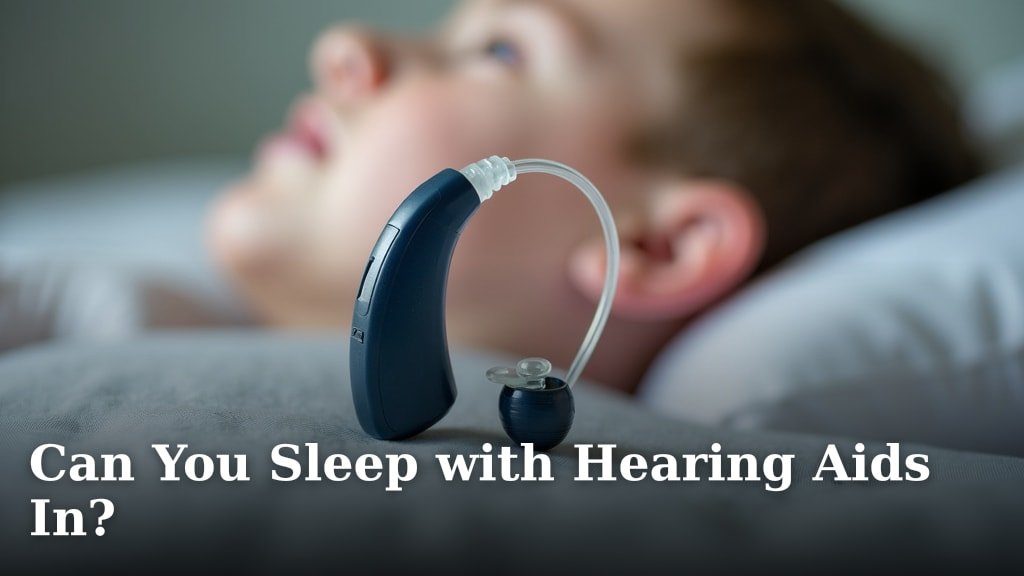
No, you generally should not sleep with hearing aids in. Most experts agree that removing your hearing aids at night is best for your ear health and the longevity of your devices. It’s a common question, but the answer is quite clear for several good reasons.
Sleeping with your hearing aids can lead to discomfort and potential damage to both your ears and the devices themselves. Your ears need a break and proper airflow, and your hearing aids need care too. You’ll want to establish a good nighttime routine for them.
TL;DR:
- Avoid sleeping with hearing aids.
- Give your ears a rest each night.
- Protects your hearing aid devices.
- Prevents moisture build-up in ears.
- Reduces risk of skin irritation.
Below, we’ll dive into all the reasons why you should remove your hearing aids before bed, and how to best care for them overnight. Let’s make sure you’re getting the most out of your hearing health journey.
Why Sleeping With Hearing Aids In Is a Bad Idea
You might be wondering, “What’s the big deal if I just leave them in?” Well, we found there are several important reasons why removing your hearing aids at night is strongly recommended. It’s not just about comfort; it’s about your health and the lifespan of your devices.
Discomfort and Potential Ear Irritation
Imagine wearing shoes to bed. It just doesn’t feel right, does it? The same goes for your hearing aids. They are designed to fit snugly, but a snug fit can become uncomfortable when you’re trying to sleep.
Pressure Points and Soreness
When you lie down, especially on your side, your pillow can press your hearing aid deeper into your ear. This creates pressure points. Over time, this pressure can lead to soreness or even minor abrasions inside your ear canal. Nobody wants to wake up with a painful ear!
Restricting Airflow and Moisture Buildup
Your ears need to breathe. When your hearing aids are in, they can block the natural airflow to your ear canal. This can trap moisture, creating a warm, damp environment. And what loves warm, damp places? Bacteria and fungi.
We found that excessive moisture buildup is a common cause of ear infections (American Academy of Otolaryngology-Head and Neck Surgery Foundation). Giving your ears a break at night allows them to dry out and stay healthy.
Risk of Damage to Your Hearing Aids
Your hearing aids are sophisticated pieces of technology. They are built to be durable, but they aren’t indestructible. Sleeping with them in can expose them to unnecessary risks.
Physical Damage from Movement
Think about how much you toss and turn at night. Even slight movements can cause your hearing aids to rub against your pillow or bedding. This constant friction can lead to scratches or cracks on the casing.
A sudden bump against your headboard or nightstand is also a risk. Accidents happen, and it’s much better for them to happen when your devices are safely stored away.
Moisture Damage to Internal Components
We just talked about moisture buildup in your ears, but that moisture can also get into your hearing aids. Sweat from your head, especially during warm nights, can seep into the device. This internal moisture can corrode the delicate electronic components over time.
Corrosion can lead to costly repairs or even the need for a full replacement. Protecting your investment means keeping them dry.
Impact on Battery Life
Leaving your hearing aids on all night means they are continuously drawing power. This will drain your batteries much faster than if you turn them off and open the battery doors.
We found that properly storing and turning off your hearing aids at night can significantly extend battery life, saving you money and hassle in the long run. If you use rechargeable hearing aids, leaving them out means they can be charging for the next day, ready when you are.
Maintaining Hygiene and Device Longevity
Nighttime is the perfect opportunity to clean your hearing aids and let your ears rest. This simple routine goes a long way in ensuring both your health and the optimal performance of your devices.
A Chance for Cleaning and Drying
When you take your hearing aids out, it’s the ideal time to give them a quick wipe down. Remove any earwax or debris that may have accumulated during the day. This keeps them working their best.
Using a drying kit or dehumidifier overnight is also highly recommended. These devices actively remove moisture that may have built up inside your hearing aids. This step is crucial for longevity, especially in humid climates.
What About Special Cases or Exceptions?
Sometimes, people have specific reasons for wanting to keep their hearing aids in overnight. Let’s look at a few common scenarios.
Monitoring Alarms or Children
Perhaps you need to hear a smoke detector or a baby crying in the night. This is a common concern. While keeping your hearing aids in might seem like the easiest solution, it’s not the safest for your ears or devices.
Consider alternative solutions like vibrating alarm clocks, baby monitors with visual or vibrating alerts, or even a hearing dog trained to alert you to specific sounds. Many modern smart home devices can also send alerts to your phone.
Safety During Travel or Emergencies
If you’re in an unfamiliar place or anticipate an emergency, you might feel safer with your hearing aids in. However, the risks of damage and discomfort still apply.
A better approach might be to keep your hearing aids on your nightstand, within easy reach. If an emergency arises, you can quickly put them in. For true emergencies, most loud alarms (like fire alarms) are designed to be heard even without hearing aids for many people, or again, consider visual/vibrating alerts.
A Good Nighttime Routine for Your Hearing Aids
Establishing a routine makes caring for your hearing aids second nature. Here’s a simple checklist to guide you each evening:
- Turn off your hearing aids and open the battery compartment (if applicable).
- Wipe down your hearing aids with a soft, dry cloth to remove any visible debris or earwax.
- Place your hearing aids in a drying kit or dehumidifier overnight.
- Store them in a safe place, away from pets and young children.
- Allow your ears to rest and get some air circulation.
Comparing Benefits and Risks of Sleeping with Hearing Aids
To summarize, let’s look at the clear contrast between sleeping with and without your hearing aids.
| Action | Benefits | Risks |
|---|---|---|
| Sleeping with Hearing Aids In | Potentially hear some alarms or sounds (though alternatives exist). | Ear discomfort, irritation, infections, device damage, reduced battery life. |
| Removing Hearing Aids at Night | Ear health (airflow, dryness), device protection, extended battery life, hygiene. | May miss soft sounds or alarms (but alternatives are available). |
Your Ears Deserve a Break
Think of your ears like any other part of your body that works hard all day. They appreciate a rest. Removing your hearing aids gives your ear canals a chance to breathe, dry out, and recover from a day of activity.
This simple act can go a long way in preventing irritation, soreness, and even infections. We found that listening to your body, and your ears, is always a good idea.
The Importance of Consistency
Making a habit of taking out your hearing aids every night is the key. Consistency ensures you reap all the benefits for your ear health and the longevity of your devices. It might feel like an extra step at first, but it quickly becomes part of your routine.
Just like brushing your teeth, it’s a small action with big long-term payoffs. You’ll thank yourself for taking these simple steps to care for your hearing journey.
Conclusion
While the thought of sleeping with your hearing aids might seem convenient, the evidence strongly suggests it’s not a good idea. Prioritizing your ear health and protecting your valuable devices means taking them out each night. Giving your ears a well-deserved break prevents discomfort, reduces the risk of infections, and keeps your hearing aids functioning optimally for years to come.
Make this simple nightly routine a habit. Your ears and your hearing aids will thank you for it, ensuring you continue to experience the world of sound clearly and comfortably.
Frequently Asked Questions
What happens if I accidentally fall asleep with my hearing aids in?
If you accidentally fall asleep with your hearing aids in, don’t worry too much. Just remove them as soon as you realize, clean them thoroughly, and place them in a drying kit. One incident is unlikely to cause severe damage, but consistent sleeping with them in can lead to problems.
Can sleeping with hearing aids cause ear infections?
Yes, sleeping with hearing aids can increase your risk of ear infections. They can trap moisture and restrict airflow in your ear canal, creating a warm, damp environment where bacteria and fungi can thrive. This is why giving your ears a break is so important.
Will leaving my hearing aids in overnight drain the battery completely?
Leaving your hearing aids on and in your ears overnight will definitely drain their batteries much faster than if you turned them off. Even if they’re not actively processing sound, they’re still consuming power. Turning them off and opening the battery door helps conserve battery life.
Are there any types of hearing aids that are safe to sleep with?
No, generally no type of hearing aid is recommended for sleeping. Even the smallest, most discreet models can cause pressure points, trap moisture, and be at risk of damage. The fundamental reasons for removal apply to all styles.
What should I do if I rely on my hearing aids to hear emergency alerts at night?
If you need to hear emergency alerts, consider alternatives like vibrating alarm clocks, visual alerts, or smart home devices that send notifications to your phone. You can also keep your hearing aids on your nightstand for quick access in an emergency.

