Can Hearing Aids Get Wet?
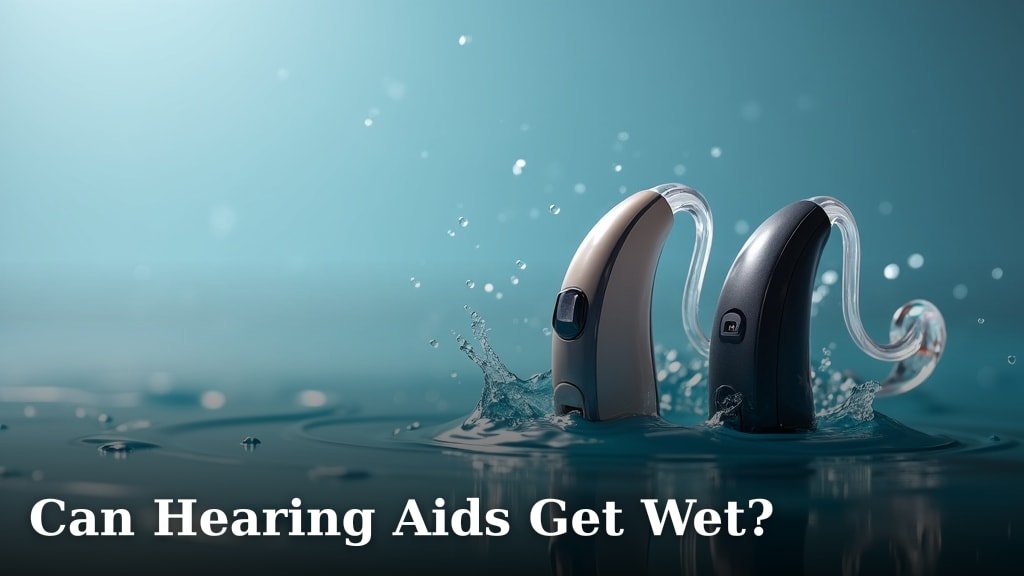
Yes, hearing aids can get wet, but their resistance to water varies greatly depending on the model. Some newer hearing aids are designed to be quite water-resistant, while older ones might be damaged by even a little moisture.
Understanding your hearing aid’s IP rating is crucial to knowing its water protection. This rating tells you exactly how much water exposure your device can handle. We know you want to protect your investment, and moisture is a common concern for hearing aid users.
- Most modern hearing aids have some water resistance.
- Check your device’s IP rating to understand its protection level.
- Water damage can lead to costly repairs.
- Never swim or shower with non-waterproof hearing aids.
- Special drying solutions can help protect your devices.
Let’s walk through everything you need to know about keeping your hearing aids safe from water.
Understanding Your Hearing Aid’s Water Protection
Your hearing aids come with different levels of water protection. Knowing these levels is key to keeping your devices safe. Think of it like buying a phone; some are splash-proof, others can be submerged.
What Do IP Ratings Mean for Hearing Aids?
The IP (Ingress Protection) rating tells you how well your hearing aid resists dust and water. It’s a standard you’ll find on many electronic devices. This rating is usually two numbers. The first number is for solids (like dust), and the second is for liquids (like water).
For example, an IP rating of IP67 means your device has a “6” for dust protection and a “7” for water protection. A higher number generally means better protection. You’ll often find this rating in your hearing aid’s manual or on the manufacturer’s website.
Decoding the Second Digit: Water Protection Levels
The second digit of the IP rating is what truly matters for water resistance. Here’s a quick breakdown to help you understand:
| Second Digit | Protection Level | What It Means |
|---|---|---|
| 0 | No protection | Not protected against water. |
| 1 | Dripping water | Protected from vertically falling drops. |
| 2 | Dripping water (tilted) | Protected from drops when tilted up to 15 degrees. |
| 3 | Spraying water | Protected from spraying water up to 60 degrees from vertical. |
| 4 | Splashing water | Protected from splashes from any direction. |
| 5 | Water jets | Protected from low-pressure water jets from any direction. |
| 6 | Powerful water jets | Protected from powerful water jets from any direction. |
| 7 | Immersion (up to 1m) | Protected from temporary immersion in water, usually up to 1 meter for 30 minutes. |
| 8 | Immersion (beyond 1m) | Protected from continuous immersion in water under specific conditions (depth and time specified by manufacturer). |
Most modern hearing aids are rated IP67 or IP68. An IP67 rating means they are dust-tight and can survive immersion in up to 1 meter of water for 30 minutes. An IP68 rating means they can handle even deeper or longer immersion, as specified by the manufacturer.
Always check your specific model’s rating. Don’t assume. We’ve seen many people accidentally damage their devices because they guessed their hearing aid’s capabilities.
Common Scenarios for Water Exposure
Water can sneak up on your hearing aids in many everyday situations. Being aware of these can help you protect your devices. A little prevention goes a long way here.
Showering and Bathing with Hearing Aids
This is a big one. Unless your hearing aids are specifically rated IP68 and designed for continuous immersion (and even then, check your manual!), you should always take them out before showering or bathing. Shower steam alone can be problematic, even if direct water doesn’t hit them. The humidity can build up inside your device.
Think of it this way: your hearing aids are intricate electronic devices. Water and electronics generally don’t mix well. We’ve heard countless stories of people forgetting and regretting it.
Swimming and Water Sports
Absolutely do not swim with your hearing aids unless they are explicitly designed for swimming. There are very few hearing aids on the market that are truly waterproof for swimming. These are often specialized models. Saltwater and chlorinated water are even more damaging than fresh water because of the corrosive elements they contain.
If you enjoy water sports, consider specialized swim plugs for your ears. Or, better yet, just leave your hearing aids in a safe, dry place. Your hearing specialist can guide you on options for hearing protection during these activities (National Institutes of Health).
Rain and Incidental Splashes
What about a sudden rain shower? If your hearing aids have an IP rating of IPX4 or higher, they should be fine with a light splash or drizzle. However, a downpour is a different story. If you’re caught in heavy rain, try to cover your ears or seek shelter quickly.
Accidental splashes, like from washing your hands or doing dishes, are usually okay for devices with decent water resistance (IPX4 or above). But don’t tempt fate. If you know you’ll be around water, it’s always best to be cautious and remove them.
Sweat and Humidity
Sweat is a sneaky culprit. It’s salty and acidic, making it quite corrosive over time. If you lead an active lifestyle, exercise, or live in a humid climate, your hearing aids are constantly exposed to moisture from sweat. This can lead to slow, cumulative damage.
Many active individuals choose to use protective covers or drying aids specifically because of sweat. The Mayo Clinic often highlights moisture as a significant factor in hearing aid maintenance.
How Water Damages Hearing Aids
Water damage isn’t always immediate or obvious. It can be a slow process that reduces the lifespan of your device. Understanding how it happens can motivate you to take better care.
Corrosion of Internal Components
The biggest threat from water is corrosion. The tiny metal wires and circuits inside your hearing aid can rust or degrade when exposed to moisture. This is especially true if the water contains salts or minerals, like sweat or tap water.
Once corrosion starts, it can cause intermittent problems or complete device failure. It’s like rust on a car; it just eats away at the structure. This often leads to fuzzy sound, no sound, or strange buzzing noises.
Short Circuits and Electrical Failure
Water conducts electricity. If water gets inside your hearing aid and bridges two electrical components that shouldn’t be connected, it can cause a short circuit. This can instantly fry delicate circuits, leading to permanent damage. It’s like pouring water into a running computer; bad things happen.
Even if it doesn’t short circuit immediately, the presence of moisture can interfere with the electrical signals, leading to distorted sound or unreliable performance.
Battery Compartment Issues
The battery compartment is often a vulnerable spot. If water gets in, it can corrode the battery terminals. This can prevent the battery from making proper contact, causing your hearing aid to stop working. We’ve seen many cases where only the battery door is affected, but it still disables the device.
Water can also cause batteries to drain faster or even swell, which can damage the compartment itself. Always inspect this area if you suspect water exposure.
Preventative Measures and Best Practices
Protecting your hearing aids from water doesn’t have to be complicated. A few simple habits can make a huge difference in their longevity. Think of it as a small investment in time that pays off big.
Routine Cleaning and Drying
Even if your hearing aids are water-resistant, it’s wise to dry them every day. We recommend using a drying kit or dehumidifier. These are specifically designed to draw out moisture. They come in various forms, from simple desiccants to electronic dryers.
- Desiccant dehumidifiers: These use special drying agents (like silica gel) that absorb moisture. You place your hearing aids in a container with the desiccant overnight.
- Electronic dehumidifiers: These use gentle heat or UV light to dry and sanitize your hearing aids. They are more effective but also cost more.
Using a drying kit is like giving your hearing aids a spa day every night. It keeps them fresh and functional.
Handling Hearing Aids Around Water
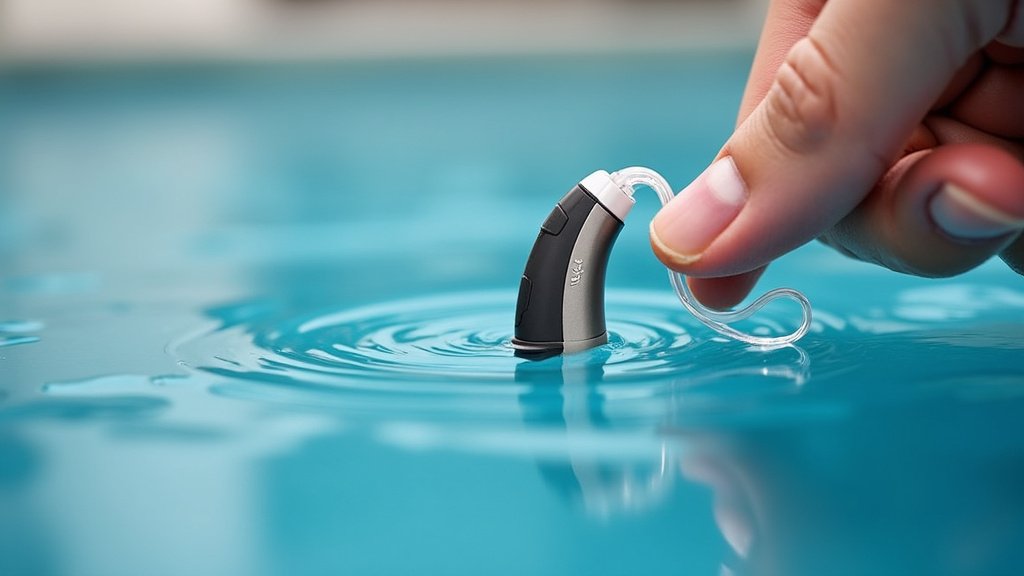
Always make it a habit to remove your hearing aids before you do anything involving water. This includes showering, swimming, washing your face, or even doing dishes. Place them in a safe, dry spot where they won’t be forgotten or accidentally knocked into water.
Consider a dedicated case or small container for your hearing aids when they are not in use. This provides both protection from physical damage and a consistent dry spot.
Checklist for Water Safety
Here’s a quick checklist to help you keep your hearing aids dry and safe:
- Check your hearing aid’s IP rating regularly.
- Remove hearing aids before showering, swimming, or going into a sauna/steam room.
- Use a drying kit or dehumidifier every night.
- Keep hearing aids in a dry, safe place when not in use.
- Wipe down your hearing aids with a dry cloth after exercising or heavy sweating.
- Carry a small, protective case for unexpected rain or splashes.
What to Do If Your Hearing Aids Get Wet
Accidents happen. If your hearing aids do get wet, don’t panic! Acting quickly can often save them. The key is swift, correct action.
Immediate Steps to Take
If your hearing aids get wet, follow these steps right away:
- Turn them off immediately: This stops any electrical current and reduces the risk of a short circuit.
- Remove the batteries: Open the battery door and take out the batteries. Leaving them in can cause further corrosion.
- Gently wipe away excess moisture: Use a soft, dry cloth (like a microfiber cloth) to blot away any visible water. Do not shake or blow on them vigorously, as this can push water deeper inside.
- Place them in a drying kit: Put your hearing aids (without batteries) into a desiccant or electronic drying kit for at least 24-48 hours. This is critical for drawing out hidden moisture.
Resist the urge to use a hairdryer or place them in an oven. Extreme heat can melt delicate internal components. The goal is gentle, prolonged drying.
When to See a Professional
After following the immediate steps, if your hearing aids still aren’t working or are performing poorly, it’s time to contact your hearing care professional. They have specialized tools and knowledge to diagnose and potentially repair water damage.
Even if they seem to work fine after drying, it’s a good idea to mention the incident during your next check-up. Sometimes, hidden corrosion can appear later. Your professional can perform a thorough check to ensure everything is okay.
Conclusion
Protecting your hearing aids from water is essential for their longevity and your continued hearing health. You’ve learned that understanding your device’s IP rating is your first line of defense. Remember to always remove your hearing aids before showering, swimming, or engaging in activities where they might get soaked. Daily use of a drying kit can also prevent moisture buildup, even in water-resistant models.
Accidents happen, but knowing the correct immediate steps can often save your devices. By implementing these simple, preventative measures, you’ll ensure your hearing aids remain a reliable part of your daily life. If you’re ever in doubt, consult your hearing care professional.
Frequently Asked Questions
Can I wear my hearing aids in the rain?
It depends on your hearing aid’s IP rating. If your device has an IPX4 rating or higher, it should be fine with light rain or splashes. For heavy downpours, it’s always best to cover them or remove them and seek shelter.
Are waterproof hearing aids truly 100% waterproof?
Very few hearing aids are truly “waterproof” in the sense that they can be fully submerged for extended periods, like for swimming. Most have high water resistance (IP67/IP68), meaning they can withstand temporary immersion. Always check your specific model’s manual for its exact capabilities.
What is the most common way hearing aids get water damaged?
Often, it’s from forgetting to remove them before showering or bathing. Sweat and high humidity are also frequent culprits, causing slow, cumulative damage over time, especially if not addressed with regular drying.
Does insurance cover water damage to hearing aids?
Coverage for water damage varies greatly by your specific insurance policy and the manufacturer’s warranty. Some extended warranties or accidental damage plans might cover it, while basic warranties often exclude water damage. Always check your policy details or contact your provider.
Can a dehumidifier fix already water-damaged hearing aids?
A dehumidifier is excellent for drying out wet hearing aids after an incident and for daily preventative maintenance. However, if internal corrosion or a short circuit has already occurred, a drying kit might not fully repair the damage. In such cases, professional assessment is needed.