What Is an Assistive Listening Device?
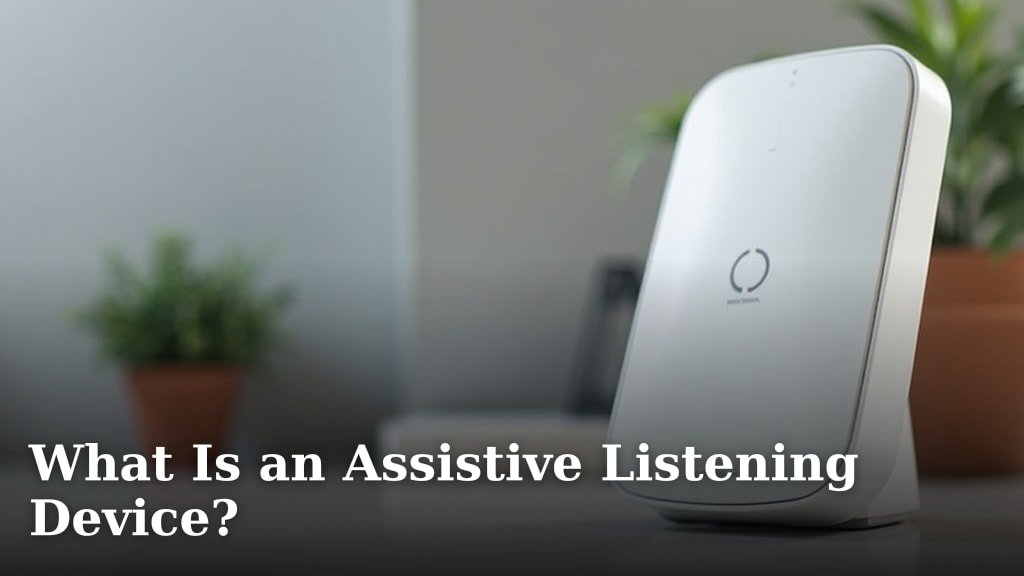
An assistive listening device (ALD) is a special tool designed to help you hear better in difficult situations. These devices make sounds clearer and louder, especially when there’s a lot of background noise or distance from the speaker. They are not hearing aids but work with them to improve your listening experience.
We found that ALDs are perfect for places like classrooms, theaters, or noisy restaurants where traditional hearing aids might struggle. They help bring the sound you want to hear directly to your ears, cutting out distractions. Think of them as your personal sound booster for those challenging environments.
TL;DR:
- ALDs boost sounds in noisy places.
- They work with or without hearing aids.
- Great for lectures, plays, and group settings.
- Different types exist for different needs.
- They make communication much easier.
Are you ready to discover how an assistive listening device could transform your hearing experience? Let’s dive into all the details and see how these helpful tools work.
Understanding Assistive Listening Devices
An assistive listening device, or ALD, is designed to enhance your hearing by bringing sound closer to your ears. We found that these devices are especially helpful when you’re in challenging listening environments. They work by capturing sound and sending it directly to you, often bypassing much of the background noise.
Think of an ALD as a personal sound system that focuses on what you want to hear. This can be incredibly useful in places where conversations might otherwise be lost, like a busy restaurant or a large auditorium. They help you stay connected and engaged.
How ALDs Enhance Your Listening Experience
ALDs work by taking the sound you want to hear and making it more prominent. They use different technologies to achieve this, but the core idea is always the same: reduce unwanted noise and boost the desired sound. This makes it much easier to follow conversations or presentations.
Unlike traditional hearing aids, which amplify all sounds around you, many ALDs focus on a specific sound source. This targeted approach means less distraction from background chatter or other environmental noise. It’s like having a spotlight on the speaker’s voice, just for your ears.
Beyond Hearing Aids: A Complementary Solution
Many people wonder if ALDs replace hearing aids. The answer is generally no; they complement them. Hearing aids are designed for daily wear to help with general hearing loss. ALDs, on the other hand, are often used for specific situations where hearing aids alone might not be enough.
For example, you might wear your hearing aids every day, but use an ALD during a lecture. The ALD would send the lecturer’s voice directly to your hearing aids, making it much clearer. This combination can give you the best possible listening experience in various settings.
Common Types of Assistive Listening Devices
There are several types of assistive listening devices, each designed for different situations and needs. We found that understanding these differences helps you choose the right tool. They all aim to improve your ability to hear, but they do it in slightly different ways.
From personal listening systems to devices designed for public spaces, there’s likely an ALD that can help you. Let’s explore some of the most common technologies you’ll encounter. Each has its own benefits and ideal uses.
Personal Listening Systems
Personal listening systems are designed for individual use, often in one-on-one conversations or small group settings. We found that these are great for making speech clearer in noisy environments. They typically involve a microphone for the speaker and a receiver for you.
These systems can be quite versatile. Imagine you’re at a family dinner, and the conversation is hard to follow. A personal listening system can help you hear specific voices more clearly. They put you in control of what you hear most.
FM Systems
FM systems use radio frequencies to transmit sound. The speaker wears a small microphone, and the sound is sent wirelessly to your receiver. This receiver can be connected to headphones, earbuds, or directly to your hearing aids. We found that FM systems are very popular in classrooms and meeting rooms.
The beauty of an FM system is its ability to transmit sound over a distance without much interference. This means you can hear the speaker clearly, even if you’re not sitting right next to them. It helps bridge the gap between you and the sound source.
Infrared (IR) Systems
Infrared systems use light waves to transmit sound, similar to how your TV remote works. A transmitter broadcasts the sound, and you wear a receiver that picks it up. We found that IR systems are often used in theaters, courtrooms, and cinemas where privacy is important.
One key advantage of IR systems is that the signal doesn’t travel through walls. This means that conversations stay within the room, making them ideal for confidential settings. If you’re looking for clear sound in a contained space, IR might be a good choice.
Bluetooth-Enabled ALDs
Many modern ALDs leverage Bluetooth technology. These devices can stream audio directly from a source, like your phone or a specific microphone, to your hearing aids or a separate receiver. We found that Bluetooth ALDs offer great convenience and connectivity.
Imagine being able to stream a phone call directly to your hearing aids, or listening to your favorite podcast with enhanced clarity. Bluetooth ALDs make these everyday tasks much easier. They integrate seamlessly into your digital life.
Public Area Listening Systems (Loop Systems)
Public area listening systems are often called “hearing loops” or “telecoil systems.” These systems create an electromagnetic field that can be picked up by the telecoil (T-coil) in your hearing aid or cochlear implant. We found that these are increasingly available in public venues.
When you see the universal hearing loop sign, it means the venue has this technology. You simply switch your hearing aid to the T-coil program, and the sound from the stage or speaker is sent directly to your device. It’s a remarkably clear and hassle-free experience.
Here’s a quick look at how these common ALD types compare:
| ALD Type | Technology Used | Typical Use Cases | Key Benefit |
|---|---|---|---|
| FM Systems | Radio Frequencies | Classrooms, Meetings, Home | Good for distance, portable |
| Infrared (IR) Systems | Light Waves | Theaters, Courtrooms, Cinemas | Confidentiality, contained signal |
| Bluetooth ALDs | Bluetooth Radio Waves | Personal streaming, Phone calls | Convenience, direct connection |
| Hearing Loops | Electromagnetic Field | Public venues (theaters, churches) | Direct to hearing aid (T-coil) |

Choosing the Right ALD for You
Selecting the best assistive listening device depends on your specific needs and the situations where you struggle to hear. We found that a bit of thought about your daily life can guide your choice. What environments challenge your hearing the most?
Do you need help in a quiet, one-on-one conversation, or are large noisy spaces your biggest hurdle? Your answer will point you toward the most effective type of ALD. It’s all about finding the right tool for the job.
Factors to Consider When Choosing an ALD
When you’re looking at different ALDs, there are a few important things to keep in mind. Thinking about these factors will help you make a decision that truly benefits you. Don’t rush the process; your hearing comfort is important.
- Your specific hearing challenges: What sounds are hardest to hear?
- Environments you frequent: Do you need help in quiet places or loud ones?
- Compatibility with your current devices: Do you use hearing aids or cochlear implants?
- Ease of use and portability: Do you want something simple and easy to carry?
- Battery life and charging options: How long do you need it to last?
- Cost and warranty: What’s your budget, and what support is offered?
Considering Your Lifestyle and Needs
Your lifestyle plays a big role in choosing an ALD. If you attend many lectures or theater performances, a public hearing loop system or an IR system might be ideal. If you have trouble with phone calls, a Bluetooth ALD could be a game-changer.
We found that many people benefit from having more than one type of ALD for different situations. Just like you have different shoes for different activities, you might need different hearing tools. It’s all about creating your personalized hearing toolkit.
Tips for Trying Out an ALD
Once you’ve narrowed down your choices, trying an ALD before committing is a good idea. Many audiologists or hearing care professionals offer trials. This lets you experience how the device works in your real-world situations.
Here’s a checklist to help you during your trial:
- Test it in your most challenging environments.
- Check how easy it is to operate the controls.
- Assess the comfort level of the receiver or headphones.
- Listen for clarity of speech versus background noise.
- Ask about the return policy or trial period.
- Note if it integrates well with your existing hearing aids.
Don’t be afraid to ask questions during your trial. Your comfort and hearing improvement are the main goals. We found that a good trial period can make all the difference in finding the perfect ALD for you.
Conclusion
You’ve seen how assistive listening devices (ALDs) can significantly improve your hearing in challenging environments. They aren’t just for people with hearing aids; they offer a powerful boost for anyone struggling with background noise or distance. By understanding the different types, from personal FM systems to public hearing loops, you can pinpoint the best solution for your needs. We found that choosing the right ALD means considering your lifestyle and specific listening situations.
Don’t let difficult hearing situations limit your participation. We encourage you to explore these options and speak with a hearing care professional. Finding the right ALD can truly enhance your connections and enjoyment in everyday life. Your journey to clearer hearing is just a step away.
Frequently Asked Questions
Can I use an ALD if I don’t wear hearing aids?
Yes, absolutely! Many assistive listening devices are designed for standalone use. They often come with headphones or earbuds, providing clearer sound directly to your ears. An ALD can be a great solution if you only struggle with hearing in specific, noisy situations.
Are ALDs difficult to set up or use?
Generally, ALDs are designed to be user-friendly. Personal systems usually involve a microphone for the speaker and a receiver for you, which are often simple to connect. Public loop systems are even easier; you just switch your hearing aid to its T-coil program. Your hearing professional can guide you through any setup.
How much do assistive listening devices cost?
The cost of ALDs varies widely depending on the type, technology, and features. Basic personal listening systems can be quite affordable, while more advanced or specialized devices might be a larger investment. It’s a good idea to discuss options and your budget with a hearing care specialist.
Where can I try out different types of ALDs?
Many audiologists and hearing clinics offer opportunities to try out various assistive listening devices. They can help you test different models in a controlled environment and often provide trial periods. You can also sometimes find demo units at community centers or specialized hearing technology expos.
Do ALDs require special batteries?
Most modern ALDs use rechargeable batteries or standard disposable batteries like AA or AAA. The specific battery type will depend on the device model. We found that rechargeable options are becoming very common, offering convenience and reducing the need for frequent battery purchases.