Can You Use a Hearing Amplifier Instead of a Hearing Aid?
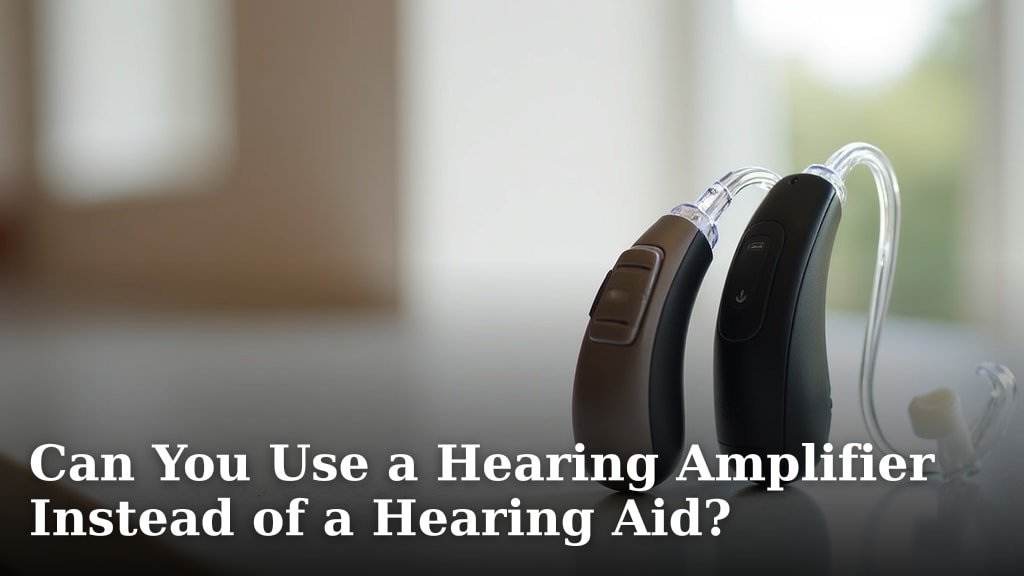
No, you generally cannot use a hearing amplifier instead of a hearing aid for treating hearing loss. While both devices make sounds louder, they serve very different purposes. A hearing aid is a medical device, while an amplifier is a personal sound amplification product (PSAP).
You might be wondering about the differences between these options. Hearing aids are custom-fitted and programmed by an audiologist to address specific hearing loss patterns. Amplifiers, on the other hand, simply boost all sounds equally, which can sometimes make speech harder to understand. This distinction is really important for your ear health and understanding.
TL;DR:
- Hearing aids are medical devices for hearing loss.
- Amplifiers just make sounds louder for everyone.
- An audiologist custom-fits hearing aids.
- Amplifiers are not regulated like hearing aids.
- Using the wrong device can cause more problems.
Ready to understand which option is right for your ears? Let’s walk through the key differences and what you should consider.
Understanding Hearing Devices: Amplifiers vs. Aids
No, a hearing amplifier is not a substitute for a hearing aid. These devices serve distinct purposes for your hearing health.
You might be wondering, what’s the big deal? Both make sounds louder, right? Not quite. One is a regulated medical device. The other is a personal sound enhancer.
We often find that people confuse these two. It’s an easy mistake to make. But knowing the difference is key to protecting your hearing and getting the right support.
What Exactly is a Hearing Aid?
Think of a hearing aid as a tiny, sophisticated computer for your ears. It’s a medical device designed to treat hearing loss. An audiologist prescribes it just for you.
These devices don’t just turn up the volume. They’re programmed to amplify specific sound frequencies you struggle to hear. For example, if you have trouble with high-pitched sounds, your hearing aid will boost those frequencies more.
It’s like having prescription glasses. You wouldn’t wear someone else’s glasses, would you? A hearing aid works the same way. It’s tailored to your unique hearing profile.
The Role of an Audiologist
An audiologist is a hearing healthcare professional. They conduct a thorough hearing exam. This exam creates a detailed map of your hearing loss.
Based on this map, your audiologist selects and programs a hearing aid. They ensure it fits comfortably and sounds natural. This personalized approach is what makes hearing aids so effective.
What is a Hearing Amplifier (PSAP)?
A hearing amplifier, also called a Personal Sound Amplification Product (PSAP), is different. It’s an electronic device that simply makes all sounds louder. It’s not for treating hearing loss.
Imagine a megaphone. It boosts every sound equally. A PSAP works similarly, but on a smaller scale. It just increases the volume of your environment.
These devices are readily available. You can buy them without a prescription. They are often less expensive than hearing aids.
When Might You Use an Amplifier?
You might use an amplifier in specific situations. Perhaps you’re birdwatching and want to hear distant chirps. Or maybe you’re at a lecture and want to catch every word.
PSAPs are for people with normal hearing who want a boost. They are not designed to correct hearing difficulties. Using them for hearing loss can actually cause problems.
The Critical Differences: Why One Isn’t the Other
The core difference lies in their purpose and technology. One corrects a medical condition. The other enhances sound.
We’ve found that understanding these distinctions helps many people. It prevents choosing the wrong device for their needs.
Customization and Programming
Hearing aids are highly customized. Your audiologist performs tests. They fine-tune the device to match your exact hearing loss pattern.
This includes adjusting for different frequencies. It also manages background noise. Some hearing aids even learn your preferences over time.
Amplifiers offer little to no customization. They usually have a simple volume control. They don’t adapt to your specific hearing needs.
Sound Processing Capabilities
This is where hearing aids truly shine. They use advanced digital signal processing. This technology can distinguish speech from noise.
Imagine being in a noisy restaurant. A hearing aid can help you focus on the conversation. It reduces the clatter of dishes and other voices.
Amplifiers lack this sophisticated processing. They boost all sounds, including background noise. This can make speech even harder to understand. It can create a jumble of loud sounds.
Regulation and Safety
The U.S. Food and Drug Administration (FDA) regulates hearing aids. This means they meet certain safety and performance standards. They are considered medical devices (FDA).
Amplifiers, or PSAPs, are not regulated as medical devices. The FDA states they are for non-hearing impaired consumers. They are not intended to diagnose or treat hearing loss (FDA).
This difference in regulation is important. It means hearing aids undergo rigorous testing. Amplifiers do not have the same oversight.
Potential Risks of Using an Amplifier for Hearing Loss
You might think, “What’s the harm?” Using an amplifier when you need a hearing aid can actually be detrimental. It can worsen your hearing over time.
Further Hearing Damage
Amplifiers can boost sounds to unsafe levels. This can damage your remaining hearing. It’s like turning up the car stereo too loud. Prolonged exposure to excessive noise harms the delicate structures in your ear.
A hearing aid, when properly fitted, limits loud sounds. It protects your ears while making soft sounds audible. Amplifiers lack this protective feature.
Masking a Medical Condition
Hearing loss isn’t always just about volume. Sometimes, it’s a symptom of a more serious medical condition. This could be anything from an ear infection to a tumor.
If you use an amplifier to cope, you might delay seeing a doctor. This delay could prevent timely diagnosis and treatment. Early intervention is often key for better outcomes.
Frustration and Poor Speech Understanding
Imagine everything around you becoming louder, but not clearer. That’s often what happens with amplifiers for hearing loss. Conversations become a struggle.
This can lead to significant frustration. It might make you withdraw from social situations. Ultimately, it doesn’t solve the core problem of understanding speech.
When to Seek Professional Help for Your Hearing
If you suspect you have hearing loss, don’t delay. The sooner you get it checked, the better. Early intervention can lead to much better results.
Here’s a quick checklist to help you decide if it’s time to see an audiologist:
- You frequently ask people to repeat themselves.
- You have trouble following conversations in noisy places.
- You often turn up the TV or radio volume very high.
- You feel like others are mumbling or speaking too softly.
- You miss doorbells, phone calls, or alarm sounds.
- Friends or family members have commented on your hearing.
These signs point to potential hearing loss. An audiologist can properly diagnose your condition. They can then recommend the most appropriate solution for you.
The Path to Better Hearing: Seeing an Audiologist
If you’re experiencing hearing difficulties, your first step should be an audiologist. They are the experts in hearing health.
They will perform a comprehensive evaluation. This includes an otoscopic examination (looking in your ear) and a battery of hearing tests. These tests are painless and provide valuable information.
Based on the results, they can explain your specific type and degree of hearing loss. They will discuss all your options, including different types of hearing aids if appropriate.
We often hear from people who waited too long. Don’t let that be you. Taking action now can significantly improve your quality of life.
Key Differences at a Glance
To summarize, let’s look at the main points:
| Feature | Hearing Aid | Hearing Amplifier (PSAP) |
|---|---|---|
| Purpose | Treats diagnosed hearing loss | Boosts sounds for normal hearing |
| Regulation | FDA-regulated medical device | Not FDA-regulated as medical device |
| Customization | Custom-fitted and programmed by audiologist | Limited to no customization |
| Sound Processing | Advanced, filters noise, enhances speech | Simply makes all sounds louder |
| Safety | Designed to protect remaining hearing | Can potentially damage hearing if misused |
| Availability | Requires prescription (usually) | Over-the-counter purchase |
This table should make the distinctions crystal clear. You can see why a hearing amplifier simply can’t do the job of a hearing aid.
Conclusion
As we’ve discussed, a hearing amplifier simply isn’t a substitute for a hearing aid. Your hearing is unique, and treating hearing loss requires a personalized, medical approach. Using a device that merely boosts all sounds can be ineffective and even harmful, potentially damaging your hearing further.
Instead of guessing, protect your ear health. If you’re struggling to hear, the best step you can take is to consult an audiologist. They can accurately diagnose your needs and guide you toward the right solution for clearer, safer hearing.
Frequently Asked Questions
Can I buy a good hearing amplifier at a local store?
Yes, you can typically purchase personal sound amplification products (PSAPs), often called hearing amplifiers, at many retail stores or online without a prescription. These devices are generally for people with normal hearing who want to boost sounds in specific situations.
Will an over-the-counter hearing device fix my hearing loss?
Over-the-counter (OTC) hearing aids, which are different from amplifiers, are designed for adults with perceived mild to moderate hearing loss. While more accessible, it’s still wise to have a professional check your hearing to ensure an OTC option is right for your specific needs.
How do I know if I need a hearing aid or just an amplifier?
You need a professional evaluation to determine this. An audiologist can test your hearing to see if you have hearing loss and, if so, what type and degree. This diagnosis is essential for choosing between a medical device like a hearing aid and a simple sound enhancer.
Are hearing amplifiers cheaper than hearing aids?
Generally, yes, hearing amplifiers are much less expensive than prescription hearing aids because they lack the advanced technology and customization. However, their lower price reflects their simpler function and inability to treat actual hearing loss effectively.
Can a hearing amplifier damage my ears?
Yes, an improperly used hearing amplifier can potentially damage your hearing. Because they boost all sounds without regulation or customization, they can expose your ears to unsafe noise levels, especially with prolonged use, worsening any existing hearing issues.