
How Much Does It Cost to Reprogram Hearing Aids?
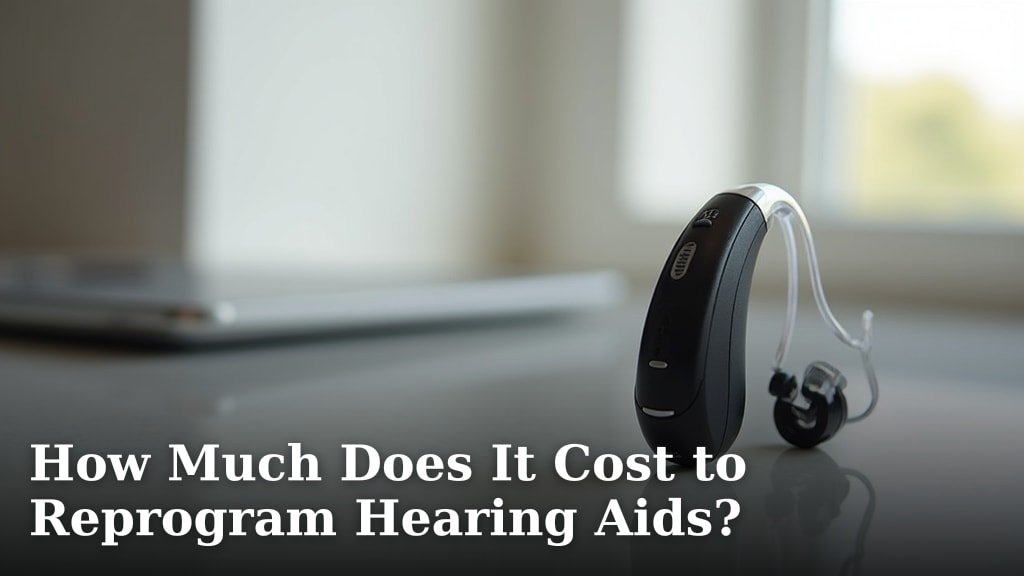
Reprogramming hearing aids often costs nothing if your devices are still under warranty or you purchased them from a clinic that includes adjustments. Otherwise, expect to pay between $50 to $200 per visit, depending on the service and the professional.
The cost to reprogram hearing aids varies widely. Factors like where you bought your aids and the type of care plan you have make a big difference. We found that most audiologists charge a fee for reprogramming if you didn’t buy the devices from them. This fee covers their time and expertise.
TL;DR:
- Reprogramming is often free with a warranty or service plan.
- Expect $50-$200 per visit if you pay out-of-pocket.
- Costs depend on your provider and specific needs.
- Audiologists charge for their time and expertise.
- Some clinics offer free adjustments for life.
Let’s dive into the details so you understand what influences these costs and how you might save money.
What Impacts the Cost of Hearing Aid Reprogramming?
The cost of having your hearing aids reprogrammed depends on several things. Think of it like getting your car serviced; the price changes based on what kind of car you have and where you take it. For hearing aids, factors like where you bought your devices, your warranty status, and even the type of professional you see all play a role in the final bill.
We found that understanding these factors can help you anticipate costs. It can also help you find ways to save money.
Where You Purchased Your Hearing Aids Matters
This is often the biggest factor in whether reprogramming costs you anything. Many clinics include adjustments and reprogramming as part of their initial purchase package. If you bought your hearing aids from an online retailer or a different clinic, you might face a fee for adjustments.
Imagine buying a new cell phone. If you bought it directly from the store, they often help you set it up for free. But if you bought it from a friend and take it to the store for help, they might charge a service fee. Hearing aids can be similar.
Clinic-Purchased Hearing Aids: Often Free Adjustments
When you buy hearing aids directly from an audiology clinic, hearing aid dispenser, or an ENT office, they typically offer a service package. This package often includes free reprogramming and adjustments for a set period. Sometimes, it’s even for the lifetime of the devices.
This is a major benefit of buying from a local professional. They want to ensure you’re happy with your devices and that they are always working their best. It builds a good relationship between you and your provider.
Online or Out-of-Network Purchases: Expect Fees
If you bought your hearing aids online or from a provider far away, finding someone to reprogram them locally might cost you. Local audiologists need to cover their time and expertise. They also might not have access to the exact programming software for every brand.
We found that many clinics charge a one-time reprogramming fee for devices not purchased from them. This fee can range anywhere from $50 to $200 per visit. It’s important to ask about this upfront.
Your Warranty and Service Plan
Another key cost driver is whether your hearing aids are still under warranty or if you have a service plan. These can act like a safety net, covering the costs of adjustments.
Manufacturer’s Warranty: Check the Details
Most new hearing aids come with a manufacturer’s warranty. This usually covers defects and repairs. Some warranties might also include a certain number of adjustments. It’s always a good idea to check your warranty paperwork to see what’s covered.
Warranties typically last between one to three years. If your devices are still within this period, you might be in luck for free reprogramming. Don’t assume; always verify.
Clinic Service Plans: A Smart Investment?
Beyond the manufacturer’s warranty, many clinics offer their own service plans. These plans can vary widely. Some might offer unlimited adjustments for several years. Others might include cleaning, maintenance, and even battery replacements.
Consider these plans as an extended care package for your hearing health. While they add to the initial cost, they can save you money long-term on adjustments and minor repairs.
The Type of Professional You See
Who you go to for reprogramming can also influence the price. Different professionals have different fee structures based on their training and services.
- Audiologist: These are highly trained professionals who specialize in hearing and balance disorders. They can perform comprehensive hearing tests, diagnose conditions, and fit and program hearing aids. Their fees might be slightly higher due to their extensive education and diagnostic capabilities (American Academy of Audiology).
- Hearing Instrument Specialist (HIS): An HIS is trained to test hearing and fit and program hearing aids. They focus specifically on the devices themselves. Their fees might be a bit lower than an audiologist’s for routine adjustments.
- Ear, Nose, and Throat (ENT) Doctor: While an ENT can oversee hearing care, they typically refer patients to audiologists for hearing aid programming. You wouldn’t usually go to an ENT just for reprogramming.
All these professionals are qualified to help you. We found that the main difference in cost comes down to their specific role and their clinic’s pricing policies.
Understanding the Reprogramming Process
What exactly happens during a reprogramming session? It’s more than just pushing a button. It involves a detailed process to ensure your hearing aids are optimized for your unique hearing needs.
Think of it like tuning a musical instrument. A guitar needs to be tuned periodically to sound its best. Your hearing aids also need fine-tuning to match changes in your hearing or environment.
Why Reprogramming is Necessary
Your hearing can change over time. It’s a natural part of life. What worked perfectly a year ago might not be ideal today. Reprogramming addresses these changes. It can also help if you’re experiencing new challenges, like struggling in noisy environments or finding certain sounds too loud.
We found that regular check-ups and reprogramming are crucial for long-term satisfaction with your hearing aids. It ensures you’re always getting the best possible sound quality.
What Happens During a Reprogramming Appointment
When you go for reprogramming, here’s a typical rundown of what to expect:
- Discussion of Concerns: Your professional will first talk to you about any issues you’re having or changes you’ve noticed in your hearing.
- Hearing Assessment (Sometimes): They might perform a quick hearing check to see if your hearing has changed significantly since your last visit.
- Device Connection: They connect your hearing aids to specialized computer software.
- Adjustment and Optimization: Using your latest hearing test results and your feedback, they adjust settings like volume, frequency response, and noise reduction.
- Real-Ear Measurement (REM): Many professionals use REM, which involves placing a tiny microphone in your ear canal to measure how the hearing aid is performing in your actual ear. This is a very precise way to ensure correct programming (National Institutes of Health).
- Trial and Feedback: You’ll try the new settings, and your professional will ask for your feedback to fine-tune them further.
This whole process can take anywhere from 30 minutes to an hour, depending on the complexity of the adjustments needed.
Comparing Costs: A Quick Overview
To give you a clearer picture, here’s a table summarizing potential costs based on different scenarios. Remember, these are averages, and actual prices can vary by location and clinic.
| Scenario | Estimated Cost Range (per visit) | Notes |
|---|---|---|
| Hearing aids purchased from the same clinic, under warranty/service plan | $0 | Most common for new devices; included in purchase price. |
| Hearing aids purchased from the same clinic, warranty expired (no service plan) | $50 – $150 | Loyalty discounts may apply. |
| Hearing aids purchased elsewhere (online, different clinic) | $100 – $250 | “New Patient” or “Out-of-Network” fee often applies. |
| Extensive programming/testing for complex issues | $150 – $300+ | May involve additional diagnostic tests. |
This table gives you a general idea. Always ask for a quote before committing to any service.
Tips for Saving Money on Reprogramming
Nobody wants to spend more than they have to. Here are some practical tips we’ve gathered to help you keep reprogramming costs down.
Think of it as being a savvy consumer. A little research and planning can go a long way in managing your hearing aid expenses.
Check Your Insurance Coverage
Does your health insurance cover hearing aid services? Some plans, particularly Medicare Advantage plans or certain private insurance policies, may offer benefits for hearing tests and even hearing aid adjustments. Always call your insurance provider directly to understand your specific benefits. Don’t rely solely on what a clinic tells you.
Even if they don’t cover the full cost, some plans might cover a portion, or the diagnostic test that often precedes programming. Every little bit helps.
Inquire About Service Packages and Loyalty Programs
When you’re first buying hearing aids, ask about comprehensive service packages. These might seem like an extra cost upfront, but they can cover years of adjustments and maintenance.
If you’ve been a long-time patient at a clinic, ask if they have any loyalty discounts for out-of-warranty adjustments. Some providers appreciate your continued business and offer reduced rates.
Consider a “Hearing Aid Bank” or Loan Program
While less common for reprogramming itself, some non-profit organizations or state programs offer assistance for hearing health. These might focus more on providing hearing aids, but they sometimes have connections to discounted services. It’s worth looking into if you face significant financial hardship.
Negotiate or Shop Around
It’s okay to ask for different pricing options. If you’re charged a high fee for an out-of-network adjustment, politely ask if there’s any flexibility. You can also call a few different audiology clinics in your area to compare their fees for reprogramming devices not purchased from them.
You wouldn’t buy the first car you see without checking other dealerships, would you? The same principle applies here. Getting a few quotes can give you peace of mind.
A Checklist for Your Next Reprogramming Appointment
Before you head to your appointment, use this quick checklist to ensure you’re prepared and informed:
- Confirm if your hearing aids are still under warranty or a service plan.
- Call your insurance provider to check for coverage details.
- Ask the clinic about their reprogramming fee structure, especially if you didn’t buy the aids there.
- Prepare a list of specific issues or listening environments where you need improvement.
- Ask about any potential loyalty discounts or package deals for future adjustments.
- Inquire if a hearing test will be part of the visit and if that’s an extra cost.
Being prepared makes the appointment smoother and helps you understand all the costs involved. It ensures you walk away feeling confident about your hearing health.

Conclusion
Understanding the costs of hearing aid reprogramming can save you money and ensure your devices always work optimally. We found that whether you pay anything often depends on where you bought your hearing aids and your service plan. Always check your warranty and talk to your provider.
Don’t hesitate to ask questions about fees and service packages. Being informed helps you make the best decisions for your hearing health. Take action by reviewing your current hearing aid paperwork today.
Frequently Asked Questions
How often should I get my hearing aids reprogrammed?
Most experts recommend annual check-ups, even if you don’t notice significant issues. Your hearing can change subtly over time, and regular adjustments ensure your aids are always matched to your current needs. Reprogramming might also be needed if you experience a change in hearing or notice issues with sound quality.
Can I reprogram my hearing aids myself at home?
Generally, no. Hearing aid reprogramming requires specialized software and equipment, plus the expertise of an audiologist or hearing instrument specialist. Attempting to adjust them yourself without proper training could damage the devices or negatively impact your hearing experience.
Will my insurance cover hearing aid reprogramming costs?
Coverage varies widely by insurance plan. Some private plans and Medicare Advantage plans may cover a portion of hearing aid services, including tests and adjustments. We recommend contacting your insurance provider directly to understand your specific benefits before your appointment.
What if I bought my hearing aids online or from a different state?
If you purchased your hearing aids from an online retailer or out-of-state provider, local audiologists will likely charge a fee for reprogramming. This covers their time, expertise, and the use of their equipment. Always call ahead to inquire about their fees for “out-of-network” devices.
Is reprogramming the same as a repair for my hearing aids?
No, reprogramming is different from a repair. Reprogramming involves adjusting the software settings of your hearing aids to optimize sound quality and match your hearing needs. A repair addresses physical damage or malfunctions of the device itself. Reprogramming often costs less than a repair, especially if it’s not covered by a warranty.


