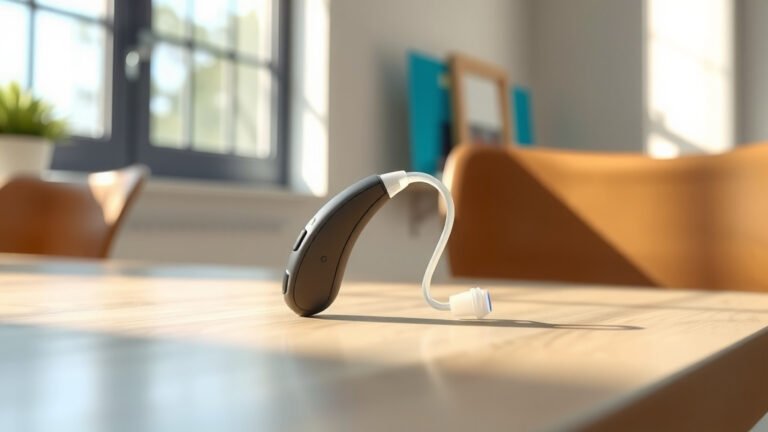
What is a Telecoil? How T-Coils Help Seniors Hear
A telecoil is a small copper wire coil inside hearing aids and cochlear implants that picks up magnetic signals from compatible sound systems. This technology helps seniors hear more clearly in challenging environments like theaters, churches, and meeting rooms by reducing background noise.
T-coils work by receiving electromagnetic signals directly from hearing loop systems, telephones, and other assistive devices. When you activate the telecoil setting on your hearing device, it bypasses the microphone and delivers cleaner sound straight to your ear.
How T-Coils Make Hearing Easier for Seniors
Think of a telecoil like a tiny radio antenna built into your hearing aid. Instead of picking up radio waves, it catches magnetic signals from special loop systems installed in public places.
When you sit in a theater with a hearing loop, your hearing aid’s telecoil receives the actor’s voice directly from the sound system. You hear their words clearly without all the echoes, background chatter, and room noise that usually make listening hard.
The Magic Behind Magnetic Sound
Sound systems with hearing loops send audio signals through wires installed around a room’s perimeter. These wires create an invisible magnetic field that your telecoil can detect.
Your hearing device then converts these magnetic signals back into sound. It’s like having a personal wireless connection to the speaker’s microphone.
Why Regular Hearing Aids Struggle in Large Spaces
Your hearing aid’s microphone picks up everything around you. In a large room, that includes echoes bouncing off walls, people coughing, air conditioning noise, and dozens of other sounds.
With a telecoil, you skip all that acoustic mess. You get the speaker’s voice delivered directly to your ear, crystal clear.
Where You’ll Find Telecoil-Compatible Systems
Many public venues install hearing loop systems specifically to help people with hearing loss. I researched common locations and found these places often have telecoil support:
- Churches and houses of worship
- Movie theaters and performance venues
- Conference rooms and meeting halls
- Airport gate areas and information desks
- Banks and government offices
- Museums and visitor centers
- Subway stations and transit hubs
How to Spot Hearing Loop Signs
Look for a blue square sign with a white ear symbol and the letter “T.” This international symbol means the venue has a hearing loop system.
Some places also display text like “Hearing Loop Installed” or “T-Coil Compatible.” Don’t be shy about asking staff if they have assistive listening devices available.
Using Your Phone with T-Coils
Most landline phones and many cell phones work well with telecoils. When you hold a compatible phone near your hearing aid, the telecoil picks up the magnetic field from the phone’s speaker.
This eliminates feedback squealing and makes phone conversations much clearer. You’ll hear the caller’s voice directly without interference from room noise.
Types of Hearing Devices with Telecoils
Not every hearing aid includes a telecoil. Size and cost factors sometimes mean manufacturers skip this feature, especially in smaller devices.
Behind-the-Ear Models
Behind-the-ear hearing aids usually have room for telecoils. These larger devices can fit the copper wire coil without sacrificing other components.
If you spend time in venues with hearing loops, behind-the-ear styles give you the best telecoil performance.
In-the-Ear Options
Some in-the-ear hearing aids include telecoils, but space limitations can affect their strength. Smaller devices may have weaker telecoil reception.
Ask your audiologist about telecoil power when comparing different hearing aid sizes. You might need to balance discreteness against functionality.
Cochlear Implants and T-Coils
Many cochlear implant processors include telecoil options. These work similarly to hearing aid telecoils but process the magnetic signals differently.
If you have a cochlear implant, your audiologist can activate and adjust the telecoil settings during your mapping appointments.
Operating Your Telecoil System
Most hearing aids with telecoils have three settings: microphone only, telecoil only, and combination mode.
Switching to T-Coil Mode
You might have a small switch on your hearing aid, or you might press a button to cycle through programs. Some people use remote controls or smartphone apps to change settings.
Practice switching modes at home so you feel comfortable making adjustments in public.
Finding the Sweet Spot
Telecoil reception works best when you position yourself correctly within the hearing loop area. The magnetic field is usually strongest away from walls and metal objects.
If you’re not hearing the loop signal clearly, try moving to a different seat or adjusting your head position slightly.
Combination Mode Benefits
Many people prefer combination mode, which blends telecoil and microphone signals. You hear the clear loop audio plus some environmental sounds.
This helps you catch important sounds like applause, emergency announcements, or someone trying to get your attention.
Telecoil-Only Mode
Pure telecoil mode blocks all microphone input. You’ll only hear sounds coming through the magnetic loop system.
This setting works well in very noisy environments where background sounds would be distracting.
Telecoil Advantages for Daily Life
Beyond public venues, telecoils help with many everyday activities that seniors often find challenging.
Phone Conversations Made Simple
Phone calls become much easier when your hearing aid’s telecoil connects directly to the telephone’s magnetic signal. You avoid the whistling feedback that happens when a microphone gets too close to a speaker.
Many seniors tell me they can finally enjoy long conversations with family members without straining to understand every word.
Television and Entertainment
Personal hearing loop systems can turn your living room into a telecoil-friendly space. You connect a small loop amplifier to your TV, and the magnetic field lets you hear programs clearly without blasting the volume.
Your spouse can watch at a comfortable volume while you get crystal-clear sound through your telecoil.
Car and Travel Benefits
Some cars have built-in hearing loop systems, especially vehicles designed for people with disabilities. Tour buses and cruise ships sometimes offer portable telecoil devices for guided experiences.
Getting the Most from Your T-Coil
Telecoil performance depends on proper setup and realistic expectations about how the technology works.
Professional Adjustment Matters
Your audiologist needs to activate and fine-tune your telecoil settings. The coil requires different amplification than your regular microphone program.
Many people get hearing aids with telecoils but never have them properly programmed. Don’t let that happen to you.
Practice Before You Need It
Test your telecoil at home with a landline phone or visit a local venue with a hearing loop. Get comfortable with switching modes and finding good reception spots.
When you really need the telecoil during an important event, you’ll already know how to use it effectively.
Understanding Limitations
Telecoils don’t work everywhere. Many venues still lack hearing loop installations, and some older systems may not function properly.
Keep realistic expectations and have backup plans for challenging listening situations.
Battery Life Considerations
Using your telecoil doesn’t dramatically increase battery drain, but any active hearing aid feature uses some power. Carry spare batteries when you plan extended telecoil use.
Choosing Hearing Aids with T-Coils
If you’re shopping for new hearing aids, consider how often you’ll benefit from telecoil technology.
Lifestyle Assessment
Do you attend religious services, go to movies, or participate in group meetings regularly? Do you struggle with phone calls or TV listening?
People with active social lives usually find telecoils very helpful. If you mostly stay home and have few challenging listening situations, the feature might be less important.
Size vs. Function Trade-offs
Completely-in-canal hearing aids rarely have room for telecoils. If discrete appearance matters most to you, you’ll probably give up telecoil functionality.
Behind-the-ear and receiver-in-canal styles offer the best telecoil performance while remaining relatively inconspicuous.
| Hearing Aid Style | Telecoil Availability | T-Coil Strength |
|---|---|---|
| Behind-the-ear | Usually available | Strong |
| Receiver-in-canal | Often available | Good |
| In-the-ear | Sometimes available | Moderate |
| Completely-in-canal | Rarely available | Weak |
Conclusion
Telecoils give seniors a powerful tool for hearing better in challenging environments. This simple technology connects your hearing aids directly to sound systems, phones, and other compatible devices.
If you spend time in public venues, struggle with phone calls, or find group conversations difficult, a telecoil-equipped hearing aid can make a real difference. Talk to your audiologist about adding this feature to your current devices or including it when you buy new ones.
The key is getting proper setup and learning to use your telecoil effectively. With a little practice, you’ll wonder how you managed without this helpful technology.
Can I add a telecoil to my existing hearing aids?
No, telecoils must be built into hearing aids during manufacturing. If your current devices don’t have telecoils, you’ll need to upgrade to models that include this feature when you’re ready for new hearing aids.
Do telecoils work with all phones?
Telecoils work best with landline phones and phones rated as “hearing aid compatible.” Many smartphones work well, but some digital phones produce weak magnetic signals that telecoils can’t detect effectively.
How do I know if a venue has a hearing loop system?
Look for blue signs with an ear symbol and the letter “T.” You can also ask venue staff about assistive listening devices or search online hearing loop directories for locations near you.
Will my telecoil pick up interference from electronics?
Modern telecoils are designed to minimize interference, but you might occasionally hear buzzing from fluorescent lights, computer monitors, or other electromagnetic devices. Moving away from these sources usually solves the problem.
Can I use telecoils and regular microphones at the same time?
Yes, most hearing aids offer a combination mode that blends telecoil and microphone signals. This lets you hear the clear loop audio while staying aware of environmental sounds around you.