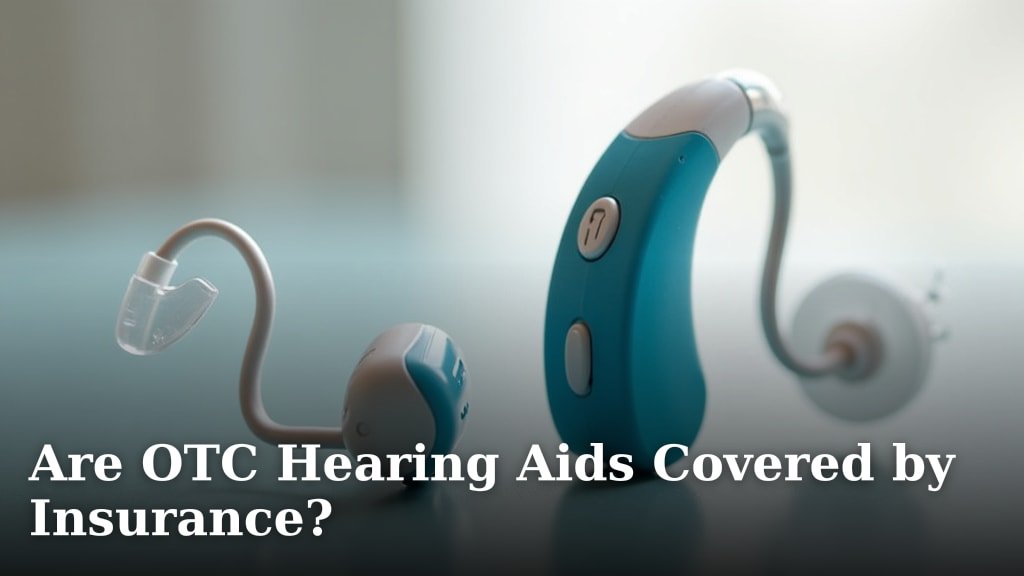
Are OTC Hearing Aids Covered by Insurance?
No, most
Insurance Coverage for Over-the-Counter Hearing Aids
You’re probably wondering about insurance and those new OTC hearing aids. The short answer is usually no. Most health insurance plans in the United States do not cover over-the-counter (OTC) hearing aids. These devices are different from traditional prescription hearing aids in how they are regulated and sold. This difference affects how they are covered.
It’s a common point of confusion for many consumers. You want to hear better without breaking the bank, right? The good news is that OTC hearing aids are typically much less expensive than prescription ones. This helps make them more accessible for many people.
Understanding OTC vs. Prescription Hearing Aids
Let’s clarify what we mean by OTC versus prescription. There’s a big difference, especially regarding cost and insurance. Knowing this distinction will help you navigate your options.
What Are Prescription Hearing Aids?
Prescription hearing aids are the traditional type. An audiologist or hearing aid specialist typically fits them. You usually need a hearing exam and a medical evaluation first. These devices are highly customized to your specific hearing loss. They often come with professional services, like adjustments and follow-up care. Because of this, they can be quite expensive, sometimes thousands of dollars per device.
Some health insurance plans, and certainly Medicare Advantage plans, might offer some coverage for these. They might cover a portion of the cost or a certain dollar amount every few years.
What Are OTC Hearing Aids?
OTC hearing aids are a newer category. They were made possible by a landmark FDA ruling in 2022. These devices are for adults with perceived mild to moderate hearing loss. You can buy them directly off the shelf or online. You don’t need a medical exam, prescription, or professional fitting. Think of them like reading glasses you buy at the drug store. They are designed to be more affordable and easier to access for many people.
The key here is that they are regulated as a separate class of devices. This is why their insurance coverage status differs so much from prescription models.
Why Don’t Most Plans Cover OTC Hearing Aids?
The main reason comes down to how insurance companies classify these devices. They often consider them consumer electronics rather than medical devices that require a prescription. It’s a technical distinction that has a big impact on your wallet. This perspective is evolving, but it’s the current reality for most plans.
Another factor is the lack of a mandatory professional service component. Since you don’t need to see a doctor or audiologist first, insurance often sees less justification for coverage. They typically prefer to cover services where a professional assesses your need.
The Role of the FDA Ruling
The FDA’s decision to allow OTC hearing aid sales was a game-changer for accessibility. However, it didn’t automatically mandate insurance coverage. The ruling focused on creating a new, safe, and effective category of devices for direct purchase. It wasn’t about insurance policy changes. We found that the FDA’s guidance was designed to promote competition and lower costs, not to alter insurance benefits directly (FDA.gov).
This means while buying them is easier, paying for them through insurance is generally not. It’s important to separate the ease of purchase from the financial coverage aspect.
Exceptions and Potential Avenues for Coverage
While most standard health insurance plans won’t cover OTC hearing aids, there are a few scenarios where you might find some financial help. It’s worth exploring these possibilities, as every little bit helps, right?
Medicare Advantage Plans
If you’re a Medicare beneficiary, traditional Medicare (Parts A and B) does not cover hearing aids or routine hearing exams. This applies to both prescription and OTC options. However, Medicare Advantage plans (Part C) are different. Many of these plans offer supplemental benefits that can include hearing aid coverage. These benefits vary widely by plan. Some might offer a modest allowance for hearing devices, which could potentially be used for OTC aids.
It’s crucial to check with your specific Medicare Advantage plan. Don’t assume anything. Call their member services department directly and ask about “hearing device benefits” or “allowances.”
Medicaid Programs
Medicaid coverage for hearing aids varies by state. Some state Medicaid programs do offer assistance for hearing devices, especially for children. For adults, it’s less consistent. If you qualify for Medicaid, you should definitely contact your state’s Medicaid office. Ask about their covered benefits for hearing aids, and if this includes any type of OTC device. We found that some state programs are beginning to adapt to the new OTC category.
Flexible Spending Accounts (FSAs) and Health Savings Accounts (HSAs)
This is where it gets interesting and potentially very helpful! Both Flexible Spending Accounts (FSAs) and Health Savings Accounts (HSAs) allow you to use pre-tax dollars for qualified medical expenses. The good news is that hearing aids, including OTC models, are generally considered qualified medical expenses (IRS Publication 502). This means you can use funds from your FSA or HSA to pay for OTC hearing aids. This isn’t direct insurance coverage, but it’s a way to save money by using tax-free funds.
You contribute money to these accounts from your paycheck before taxes are taken out. When you use that money for eligible healthcare costs, you effectively save whatever your income tax rate would have been. It’s like getting a discount!
Veteran’s Benefits (VA)
If you are a veteran, the Department of Veterans Affairs (VA) provides comprehensive hearing healthcare services, including hearing aids, to eligible veterans. The VA is a leading provider of hearing aids in the U.S. If you have a service-connected hearing loss, or meet certain income requirements, the VA may cover the cost of hearing aids in full. This typically involves a professional evaluation and fitting through the VA system. While OTC options might not be directly issued, discuss your needs with your VA audiology service to understand all your options.
Comparing Your Payment Options
It can feel like a maze trying to figure out how to pay for hearing aids. Here’s a quick comparison of the most common ways people pay for these devices:
| Payment Method | Typically Covers OTC? | Key Considerations |
|---|---|---|
| Standard Health Insurance (Employer/Individual) | No | Rarely covers. Check your specific plan for any hearing aid benefits. |
| Medicare (Part A/B) | No | Does not cover hearing aids or routine hearing exams. |
| Medicare Advantage (Part C) | Possibly | Varies greatly by plan. Some offer an annual allowance. You must check your specific plan. |
| Medicaid (State Specific) | Possibly | Coverage for adults varies by state. Must check with your state’s program. |
| FSA/HSA | Yes | Uses pre-tax dollars for eligible expenses. Excellent way to save money. |
| VA Benefits | No (but covers prescription if eligible) | Comprehensive coverage for eligible veterans through VA system. |
| Out-of-Pocket | Yes | Most common method for OTC hearing aids. Price range varies widely. |
What to Do Next: Your Action Plan
So, what should you do if you’re thinking about OTC hearing aids? Don’t just guess about coverage. Take some specific steps to get the most accurate information. It’s all about being proactive.
- Review Your Insurance Plan Documents: Look for sections on “hearing benefits,” “durable medical equipment,” or “prosthetics.” Sometimes the language is hidden.
- Call Your Insurance Provider Directly: Ask specific questions about over-the-counter hearing aids. Use that exact phrase. They might say no to “hearing aids” but yes to an “allowance for hearing devices.”
- Check Your FSA/HSA Balances: If you have one of these accounts, confirm your balance and the rules for eligible expenses. Keep your receipts for any purchases.
- Contact Your Medicare Advantage Plan: If you have one, call the number on the back of your card. Ask about any hearing aid allowances or benefits.
- Explore State-Specific Programs: Check your state’s department of health or aging services website. Sometimes there are local programs that offer assistance.
Remember, getting clear answers might take a few phone calls. Be persistent! You have a right to know what your plan covers. This will help you make the best financial decision for your hearing health.
Conclusion
Navigating insurance coverage for OTC hearing aids can feel complex, but it doesn’t have to stop you. While most standard health insurance won’t directly cover them, solutions exist. Remember, Medicare Advantage, Medicaid (in some states), FSAs, and HSAs offer excellent avenues for saving money. Your best move is always to contact your specific plan directly to understand your benefits. Be proactive; a little investigative work can lead to significant savings for your hearing health needs.
Frequently Asked Questions
Are OTC hearing aids generally cheaper than prescription hearing aids?
Yes, OTC hearing aids are typically much more affordable. They aim to provide an accessible option for mild to moderate hearing loss without the higher costs associated with professional fittings and extensive customization of prescription devices.
Can I use my Health Savings Account (HSA) to pay for an OTC hearing aid?
Absolutely. OTC hearing aids are considered a qualified medical expense by the IRS. This means you can use your HSA funds, which are tax-free, to purchase them. It’s a smart way to save money on your purchase.
Does Medicare (Parts A or B) cover over-the-counter hearing aids?
No, original Medicare (Parts A and B) does not cover hearing aids, whether OTC or prescription, nor routine hearing exams. Coverage for hearing devices typically comes through specific Medicare Advantage plans (Part C), if at all.
What kind of hearing loss are OTC hearing aids designed for?
OTC hearing aids are specifically designed for adults aged 18 and older who have perceived mild to moderate hearing loss. If you suspect severe hearing loss, or have specific medical concerns, you should consult an audiologist or doctor first.
If my insurance doesn’t cover OTC hearing aids, what’s my best financial option?
If direct insurance coverage isn’t available, your best financial options are usually using a Flexible Spending Account (FSA) or Health Savings Account (HSA). These allow you to pay with pre-tax dollars. Otherwise, purchasing out-of-pocket is often the next step for these more affordable devices.
