What Happens If You Stop Wearing Your Hearing Aids?
The dangers of not wearing your hearing aids are mainly missed speech and everyday sounds, not damage caused by taking them out. If discomfort, poor fit, or a sudden hearing change is behind your break, contact a hearing care professional.
On this page (8 sections)
- What are the dangers of not wearing your hearing aids?
- Can going without hearing aids damage your ears or worsen hearing loss?
- Why do people stop wearing hearing aids?
- What should you do if you need a break?
- When should you contact a hearing care professional?
- Can low batteries be why you stopped wearing your hearing aids?
- How do you choose a safer plan for wearing your hearing aids?
- What should you decide about the dangers of not wearing your hearing aids?
The dangers of not wearing your hearing aids are mainly missed speech and everyday sounds, not damage caused by taking the devices out. If discomfort, poor fit, or a sudden hearing change is behind your break, contact a hearing care professional.
Without hearing aids, conversations may be harder to follow, especially in groups or noisy places. The impact depends on your hearing and where you spend time, so a quiet afternoon at home may feel different from a busy street or a family meal.
What are the dangers of not wearing your hearing aids?
The main danger is missing sounds and having more trouble understanding speech. You may ask people to repeat themselves more often, lose parts of a conversation, or feel tired from working harder to follow what others say.
You might also miss a doorbell, an announcement, or a warning sound. If you need to be without your aids, consider other ways to notice important signals, such as visual alerts or help from someone nearby.
Hearing aids don’t restore typical hearing. They provide sound support based on your hearing needs, so taking them out can bring back communication challenges you already know.
Can going without hearing aids damage your ears or worsen hearing loss?
Taking out hearing aids doesn’t usually damage your ears or make the underlying hearing loss worse. Hearing aids provide sound support; they don’t make your ears dependent on them.
A return of familiar hearing difficulty is different from a sudden change. If your hearing drops suddenly, especially in one ear, seek urgent medical advice rather than waiting to see whether wearing your aids helps.
If you’re unsure whether hearing aids fit your needs, start with how to know if you need a hearing aid. A hearing care professional can assess your hearing and discuss what options suit you.
Is it harmful to wear hearing aids less than recommended?
Wearing hearing aids less than recommended may make it harder to adjust, but the effect varies by person. Ask your hearing care professional what schedule fits your device, hearing, and daily needs.
If you’re new to hearing aids, a gradual schedule in a quiet setting can make new sounds feel more manageable. These tips for first-time hearing aid wearers cover practical ways to start.
Why do people stop wearing hearing aids?
People often stop because the aids feel uncomfortable, sound too loud, whistle, or are difficult to manage. A poor fit or depleted battery can also interrupt use.
Before deciding to leave them off, identify what changed. Note when the problem occurs, which ear is affected, and whether it follows insertion, a setting change, or a battery replacement.
Could discomfort mean the hearing aids need adjusting?
Yes. Discomfort can point to a fit or setting problem.
Don’t push through pain, itching, or sore skin. Remove the device and contact your hearing care professional if symptoms persist.
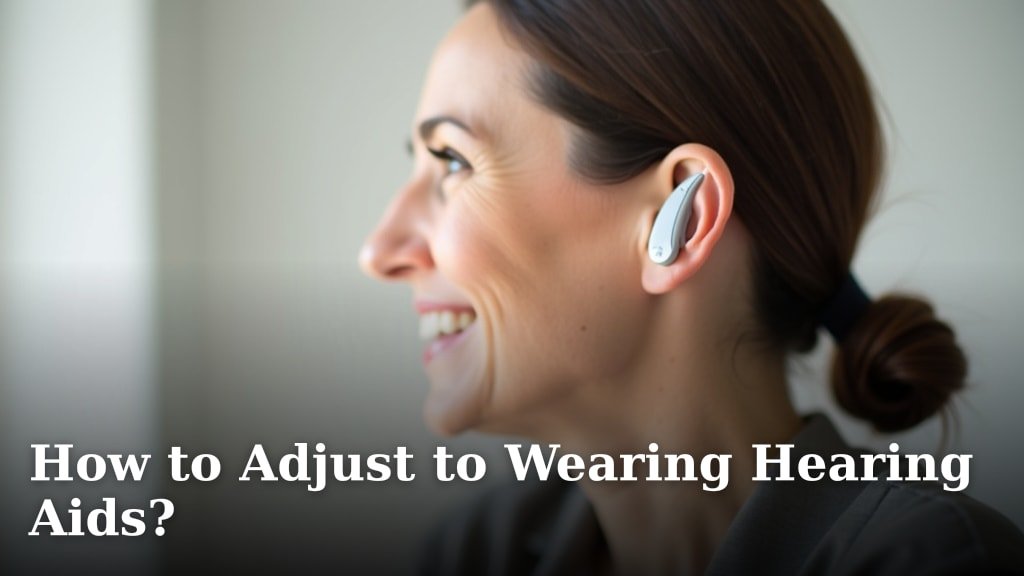
If you’re experiencing early sound fatigue, shorter wear periods in a quiet setting may feel more comfortable while you adjust. Our guide to adjusting to wearing hearing aids explains how to build a routine and when to seek help.
A computer headset can help with calls or meetings when you aren’t wearing your hearing aids. It isn’t a hearing aid or a replacement for a hearing care plan.
The H390 connects to a computer by USB-A and has a 6.23 ft (1.9 m) cable. Choose it if you need a wired headset for computer audio; skip it if you need hearing support away from a computer or a device that fits in your ear.
What should you do if you need a break?
If you need a break, remove the aids, keep them somewhere secure, and note why you took them out. Resume use according to the schedule recommended by your hearing care professional, and follow the device instructions for cleaning and storage.
At home, choose one consistent storage spot away from water and places where the aids could be knocked onto the floor. When you take them out in a public place, put them in a case or another secure location instead of a pocket where they may fall out.
If you forget where you put them, how to keep track of hearing aids offers practical storage ideas. Keep this link for a useful next step on preventing lost devices.
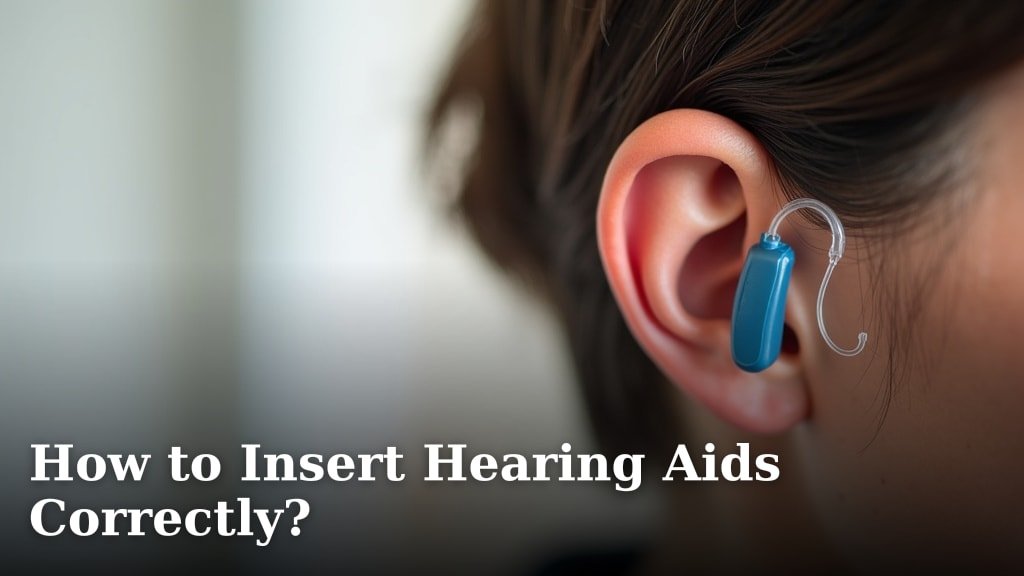
Correct placement can also reduce discomfort, so review how to insert hearing aids correctly if the fit feels off.
When should you contact a hearing care professional?
Contact a hearing care professional if pain, irritation, poor fit, feedback, or trouble hearing continues. They can check whether the fit or settings need attention and help you decide whether your routine should change.
Seek urgent medical advice for sudden hearing loss, severe ear pain, drainage, or dizziness. These symptoms need medical attention and shouldn’t be handled only by changing your hearing aid use.
If you’re considering an over-the-counter device instead, first read who should not use OTC hearing aids. Some symptoms and hearing needs call for a professional evaluation.
Can low batteries be why you stopped wearing your hearing aids?
Yes. Depleted batteries can interrupt use if your hearing aids take disposable batteries.
Keep the correct size available and follow the device instructions for changing and handling them.
Both packs are single-use size 312 batteries. Choose the 60-count pack if that quantity suits your routine.
Choose the 80-count pack if you want more spares on hand. Skip both if your device takes another size or uses rechargeable batteries.
Check your hearing aid’s battery size before buying.
How do you choose a safer plan for wearing your hearing aids?
The right choice depends on why you stopped and what support you need. If the issue is temporary fatigue, take a brief break in a safe place and return to your agreed routine when you’re comfortable.
If discomfort or sound problems keep returning, arrange a fit or settings check instead of repeatedly abandoning the devices.
If you’re new to hearing aids, ask your hearing care professional for a step-by-step wear schedule. Start in a quiet, familiar setting, follow the device instructions, and note when sounds feel uncomfortable or hard to understand.
Bring those details to the next appointment so the conversation can focus on a specific problem.
For battery-powered aids, check that you have the right battery size and know how to replace it. The Duracell packs above suit devices that use size 312 batteries.
They won’t solve a problem with a different battery size or a rechargeable device. A computer headset can support calls while your aids are out, but it won’t provide the same hearing support in daily situations.
Avoid common shortcuts that can prolong the problem: don’t force an aid into a sore ear, turn up the volume to compensate for a sudden hearing change, or keep wearing a device that causes pain. Don’t treat a headset or battery pack as a substitute for addressing a fit, hearing, or health concern.
What should you decide about the dangers of not wearing your hearing aids?
The dangers of not wearing your hearing aids depend on what sounds you miss and why you take them out. Take a short break for temporary fatigue, seek a fit check for ongoing discomfort, and get urgent medical advice for sudden hearing loss or severe symptoms.
If low power is the barrier, confirm your battery size and keep compatible spares nearby.
Frequently asked questions
Can stopping hearing aid use make hearing worse?
Taking hearing aids out doesn't usually injure your ears or make the underlying hearing loss worse. You may notice more difficulty following speech and hearing sounds that the devices had made easier to notice.
A sudden change in hearing needs prompt medical advice, whether or not you wear hearing aids.
Is it okay to take a break from hearing aids?
A short break may be reasonable if your ears feel tired or the devices are uncomfortable, but don't ignore pain, sores, or a change in hearing. Remove the aids, check for an obvious fit or battery issue, and contact your hearing care professional if the problem continues.
Should I wear hearing aids all day?
Follow the schedule recommended for your hearing and device. Some people need time to adjust, so wearing them for short periods and increasing use gradually may be more comfortable.
Ask your hearing care professional for a plan if you are unsure how long to wear them.
What should I do if my hearing aids whistle or hurt?
Remove the device if it hurts, and check that it is clean and inserted as instructed. Whistling can have several causes, including fit or volume.
Don't force an aid into your ear; contact your hearing care professional if pain, irritation, or whistling continues.