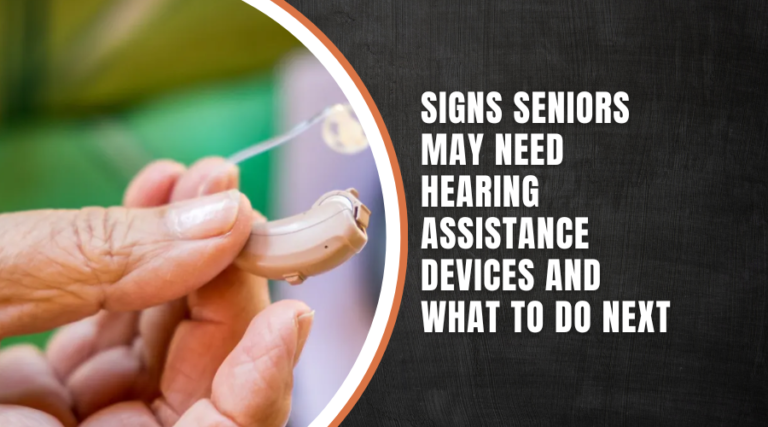
Understanding FDA Regulations for OTC Hearing Aids
FDA regulations for OTC hearing aids became effective in October 2022, allowing adults with mild to moderate hearing loss to buy hearing aids without a prescription or professional fitting.
These new FDA rules make hearing aids more accessible and affordable by removing the requirement for audiologist visits, though the devices must still meet strict safety and effectiveness standards.
What Are OTC Hearing Aids?
Over-the-counter hearing aids are medical devices you can buy directly from stores or online. No prescription needed. No audiologist appointment required.
Think of it like reading glasses. You know you need help seeing small print, so you pick up a pair at the pharmacy. OTC hearing aids work the same way for mild to moderate hearing loss.
But here’s the catch: they’re only for adults 18 and older. Children still need professional care for hearing issues.
Who Can Use OTC Hearing Aids
You’re a good candidate if you have mild to moderate hearing loss. What does that mean exactly?
You might struggle to hear conversations in noisy restaurants. Or ask people to repeat themselves more often. Maybe you turn up the TV volume and others complain it’s too loud.
Research from the National Institute on Deafness shows that about 30 million Americans have hearing loss that could benefit from hearing aids (NIDCD).
Who Should Skip OTC Options
Some people still need professional help. You should see an audiologist if you have:
- Severe hearing loss
- Hearing loss in only one ear
- Sudden hearing changes
- Ear pain or discharge
- Dizziness with hearing problems
Don’t mess around with these symptoms. Get professional care.
FDA Requirements for OTC Hearing Aids
The FDA didn’t just wave a magic wand and say “anything goes.” They set strict rules to keep you safe.
Sound Amplification Limits
OTC hearing aids can’t blast sound at dangerous levels. The FDA caps the maximum output at 120 decibels.
Why does this matter? Sounds over 85 decibels can damage your hearing over time. The limit protects you from making your hearing worse.
Frequency Response Standards
Your hearing aid needs to amplify the right sounds. The FDA requires specific frequency ranges that match common hearing loss patterns.
Most people lose high-frequency hearing first. That’s why you can hear someone talking but can’t make out the words clearly. OTC devices must target these problem frequencies.
Distortion Controls
Nobody wants a hearing aid that makes everything sound like a robot. The FDA sets limits on how much the device can distort sound.
Clean, clear sound quality isn’t just nice to have. It’s required by law.
Safety Requirements You Should Know
User Controls and Adjustments
Every OTC hearing aid must let you control the volume. You should be able to turn it up or down as needed.
Many also include different listening programs. One for quiet rooms, another for noisy spaces, maybe one for phone calls.
Warning Systems
Your hearing aid should warn you about potential problems. Low battery? It should beep or announce it. Too much background noise? You should get some kind of alert.
These aren’t just helpful features. The FDA requires them for your safety.
Physical Design Standards
OTC hearing aids can’t have sharp edges or use materials that cause allergic reactions. They must fit securely without falling out easily.
The device should also be durable enough for daily use. Nobody wants a hearing aid that breaks after a week.
Labeling and Information Requirements
What Must Be on the Package
Look for specific information when you shop. The FDA requires manufacturers to include:
- Clear instructions for use
- Battery information and safety warnings
- Technical specifications
- Return and warranty policies
- When to see a hearing professional
If this information is missing, walk away. The product probably doesn’t meet FDA standards.
Performance Claims
Companies can’t make wild promises about their hearing aids. All claims must be backed by evidence.
Be suspicious of products that promise to “cure” hearing loss or work for “all types” of hearing problems. Real FDA-approved devices are more honest about their limitations.
How FDA Ensures Compliance
Pre-Market Notifications
Manufacturers must notify the FDA before selling OTC hearing aids. They can’t just start selling devices without approval.
This process includes submitting technical data, safety information, and proof the device meets all requirements.
Quality Control Standards
Companies must follow Good Manufacturing Practices. This means consistent quality control, proper testing, and detailed record keeping.
From what I read, the FDA can inspect manufacturing facilities at any time to ensure compliance (FDA).
Post-Market Monitoring
The FDA doesn’t disappear after approving a device. They continue monitoring for safety issues and customer complaints.
If problems arise, they can require recalls or additional warnings. This ongoing oversight protects consumers.
What This Means for You as a Consumer
Shopping for FDA-Compliant Devices
Always check if the hearing aid meets FDA requirements. Look for clear labeling and proper documentation.
Stick to reputable retailers and known manufacturers. Amazon, CVS, Walgreens, and other major chains typically sell only compliant devices.
Understanding Your Rights
You have the right to clear information about any hearing aid you buy. You also deserve products that meet safety standards.
If something seems off, contact the manufacturer or report it to the FDA. Your feedback helps protect other consumers.
Common Misconceptions About FDA Rules
Myth: All Hearing Aids Are Now OTC
Wrong. Prescription hearing aids still exist and are often better for complex hearing loss.
OTC options work well for many people, but they’re not a complete replacement for professional care.
Myth: FDA Approval Guarantees Perfect Results
FDA approval means the device is safe and effective for its intended use. It doesn’t guarantee the hearing aid will work perfectly for your specific hearing loss.
You might need to try different brands or styles to find what works best.
The Reality of Individual Differences
Everyone’s hearing loss is unique. What works great for your neighbor might not work for you.
That’s why many OTC hearing aids come with trial periods. Take advantage of these offers to find your best fit.
Comparing OTC vs Prescription Options
| Feature | OTC Hearing Aids | Prescription Hearing Aids |
|---|---|---|
| Professional fitting required | No | Yes |
| Hearing test required | No | Yes |
| Typical cost range | $200-$3,000 | $1,000-$6,000+ |
| Customization level | Basic | Extensive |
| Professional support | Limited | Ongoing |
When to Consider Each Option
Start with OTC if you have mild hearing loss and want to save money. Many experts suggest trying OTC options first for simple hearing difficulties (American Academy of Audiology).
Choose prescription hearing aids if you have complex hearing loss, need extensive customization, or want ongoing professional support.
Future of FDA Regulations
Potential Updates and Changes
The FDA continues gathering data on OTC hearing aid performance. They might adjust regulations based on real-world results.
I found that the FDA plans to review the program regularly and make changes as needed to better serve consumers (FDA).
Impact on the Industry
More companies are entering the OTC hearing aid market. This competition should drive down prices and improve quality over time.
Traditional hearing aid manufacturers are also creating OTC versions of their devices. This gives you more choices than ever before.
Technology Improvements
Expect better smartphone integration, longer battery life, and smarter noise reduction features in future OTC hearing aids.
The FDA regulations provide a foundation for innovation while maintaining safety standards.
Making the Right Choice for Your Hearing
Steps Before Buying
Consider getting a baseline hearing test, even if it’s not required. Many hearing centers offer free screenings.
Think about your lifestyle needs. Do you spend time in noisy restaurants? Need phone compatibility? Want invisible devices?
Questions to Ask Retailers
Always ask about return policies, warranties, and customer support. Good retailers will answer these questions clearly.
Find out if the device meets current FDA standards. Reputable sellers will provide this information without hesitation.
Red Flags to Avoid
Be wary of products that seem too cheap, make unrealistic claims, or lack proper documentation.
Skip retailers who pressure you to buy immediately or won’t answer questions about FDA compliance.
Conclusion
FDA regulations for OTC hearing aids represent a major step forward in making hearing help more accessible. These rules balance safety with convenience, giving you new options for addressing hearing loss.
The regulations ensure that OTC hearing aids meet strict safety and effectiveness standards while removing barriers like required audiologist visits. This opens up hearing care to millions of people who previously couldn’t access or afford help.
Remember that OTC hearing aids work best for mild to moderate hearing loss in adults. When in doubt, consult a hearing professional. Your hearing health is worth getting right the first time.
Can I buy OTC hearing aids online safely?
Yes, you can safely buy FDA-compliant OTC hearing aids online from reputable retailers like Amazon, Best Buy, or manufacturer websites. Just verify the product meets FDA requirements and offers a reasonable return policy.
How do I know if my hearing loss qualifies for OTC hearing aids?
If you struggle with conversations in noisy places, frequently ask people to repeat themselves, or turn up the TV volume, you likely have mild to moderate hearing loss suitable for OTC devices. Sudden hearing changes or severe loss require professional evaluation.
What happens if an OTC hearing aid doesn’t work for me?
Most OTC hearing aid retailers offer 30-90 day trial periods with full or partial refunds. If OTC options don’t help, consider seeing an audiologist for prescription hearing aids or to rule out other hearing issues.
Do OTC hearing aids require any maintenance or professional adjustments?
OTC hearing aids are designed for self-service, but you’ll need to clean them regularly, replace batteries or charge them, and occasionally update software if they connect to apps. No professional maintenance is required.
Are OTC hearing aids covered by insurance or Medicare?
Most insurance plans and Medicare don’t cover OTC hearing aids since they’re available without prescription. However, some Medicare Advantage plans or private insurance might offer partial coverage, so check your specific benefits.