Hearing Loss & Social Isolation: How to Stay Connected
Hearing loss creates social isolation by making conversations difficult and exhausting, leading many people to avoid social situations altogether.
You can stay connected by using assistive listening devices, choosing hearing-friendly environments, and communicating your needs clearly to friends and family.
How Hearing Loss Leads to Social Withdrawal
When you struggle to hear conversations, your brain works overtime trying to fill in the gaps. This mental fatigue leaves you drained after social events.
You might start skipping dinner parties or family gatherings. The fear of mishearing someone or responding incorrectly feels too embarrassing to risk.
I found that many people with hearing loss report feeling invisible in group conversations. While others chat easily, you’re left guessing what everyone’s laughing about.
The Downward Spiral Effect
Each missed social event makes the next one harder to attend. You lose practice with social skills and become more anxious about interactions.
Research from the National Institute on Deafness shows this pattern affects millions of Americans. The less you socialize, the more isolated you feel.
Physical Changes in Your Brain
Studies suggest that social isolation can actually change brain structure. Areas responsible for processing speech and social cues may weaken without regular use.
This creates a cycle where hearing becomes even more difficult in social settings. Your brain needs practice to stay sharp at interpreting conversations.
Warning Signs You’re Becoming Isolated
Do you find yourself making excuses to skip social events? This is often the first red flag that hearing loss is affecting your social life.
Early Social Warning Signs
- Avoiding restaurants or noisy venues
- Declining phone calls from friends
- Sitting quietly in group conversations
- Feeling exhausted after social events
- Making excuses to leave gatherings early
Emotional Red Flags
You might notice increased irritability when people don’t speak clearly. Feeling frustrated or embarrassed during conversations becomes your new normal.
Depression and anxiety often accompany social isolation. From what I read in research studies, these feelings compound the problem by making social situations feel even more overwhelming.
The Confidence Factor
Your self-esteem takes hits when you constantly ask people to repeat themselves. You begin questioning your ability to contribute meaningfully to conversations.
Hearing Assistance Technology That Reconnects You
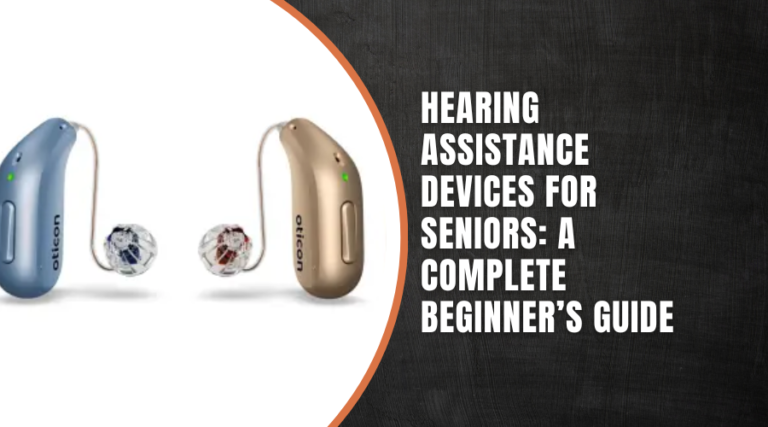
Modern hearing aids are nothing like the bulky devices your grandmother wore. Today’s options are nearly invisible and incredibly smart.
Digital Hearing Aids
These devices automatically adjust to different sound environments. When you enter a noisy restaurant, they reduce background noise and boost speech frequencies.
Many models connect to your smartphone through apps. You can adjust settings discreetly without touching your ears.
Assistive Listening Devices Beyond Hearing Aids
Personal amplifiers work well for specific situations like watching TV or having one-on-one conversations. They’re much less expensive than hearing aids.
FM and Loop Systems
These systems send sound directly to your hearing aids or headphones. Many theaters, churches, and lecture halls offer this technology.
Smartphone Apps
Live transcription apps turn speech into text in real-time. You can follow conversations by reading what others say on your phone screen.
Communication Strategies That Work
You don’t need perfect hearing to have great conversations. The right techniques can help you stay engaged and confident.
Positioning Yourself for Success
Sit with your back to walls instead of windows. This reduces visual distractions and puts light on the speaker’s face so you can read lips.
Choose seats that let you see most people in the group. Corner spots in restaurants work better than seats in the middle of long tables.
Setting Conversation Expectations
Tell people upfront that you have hearing difficulties. Most folks are happy to speak more clearly when they understand your needs.
Ask speakers to face you when talking. Lip reading provides important visual cues even if you don’t realize you’re doing it.
The Repeat and Rephrase Method
Instead of repeatedly saying “what,” ask people to rephrase their statement. Different words might be easier for you to hear.
Conversation Confirmation Techniques
Repeat back what you think you heard. Saying “So you’re planning a trip to Boston?” confirms your understanding and keeps you engaged.
Choosing Social Environments Wisely
Not all social venues are created equal when you have hearing challenges. Some places make conversations nearly impossible while others work beautifully.
Hearing-Friendly Restaurant Features
| Good for Hearing | Bad for Hearing |
|---|---|
| Carpet and soft furnishings | Hard surfaces and high ceilings |
| Booth seating | Open floor plans |
| Background music under 70 decibels | Loud music or TV screens |
| Good lighting on faces | Dim or backlighting |
Alternative Social Activities
Consider activities that don’t rely heavily on conversation. Art classes, walking groups, or volunteer work can provide social connection with less communication pressure.
Small Group Gatherings
Host intimate dinner parties instead of attending large events. You control the environment and can ensure good lighting and minimal background noise.
Building Your Support Network
Your closest friends and family members can become your biggest allies in staying socially connected. But they need to understand how to help.
Educating Your Inner Circle
Explain that hearing loss isn’t just about volume. You might hear sounds but struggle to understand words, especially in noisy environments.
Share specific ways people can communicate better with you. Maybe you need them to speak slower, face you directly, or reduce background noise.
Finding Hearing Loss Support Groups
Connecting with others who share your challenges provides both practical tips and emotional support. Many communities have local chapters of hearing loss organizations.
Online support groups offer 24/7 connection with people who truly understand your daily struggles. You’ll discover you’re not alone in this journey.
Professional Counseling Benefits
Hearing loss counselors specialize in the emotional aspects of hearing difficulties. They can help you develop coping strategies and rebuild confidence.
Staying Active in Your Community
Don’t let hearing challenges force you out of activities you love. Most organizations are willing to make simple accommodations.
Workplace Communication Solutions
Request assistive listening devices for meetings or ask for written agendas and summaries. Many employers are required by law to provide reasonable accommodations.
Religious and Community Organizations
Many churches and community centers offer hearing loops or sign language interpreters. Call ahead to ask about available assistive listening options.
Volunteer Opportunities
Look for volunteer roles that match your communication strengths. Reading to children or helping with administrative tasks might work better than phone-based volunteering.
Technology Solutions for Daily Connection
Modern technology offers amazing tools to help you stay connected with friends and family between in-person visits.
Video Calling Advantages
Video calls let you see facial expressions and lip movements that phone calls eliminate. The visual component makes conversations much easier to follow.
Many platforms offer automatic captions during calls. While not perfect, these transcriptions can help you catch words you miss.
Text-Based Communication
Don’t underestimate the power of texting, emailing, and social media messaging. These tools let you have rich conversations without hearing challenges.
Voice-to-Text Features
Your smartphone can convert voicemails to text messages. This lets you “read” messages instead of struggling to hear them clearly.
Maintaining Independence and Confidence
Social isolation often stems from feeling dependent on others or embarrassed about your hearing loss. Rebuilding confidence takes practice and patience with yourself.
Gradual Exposure Approach
Start with low-pressure social situations like one-on-one coffee dates. Build up your confidence before tackling larger group events.
Practice using your assistive devices in comfortable settings first. Getting familiar with technology at home makes public use feel more natural.
Developing Backup Plans
Know your exit strategy for overwhelming situations. Having a plan reduces anxiety and makes you more likely to attend social events.
Bring a trusted friend who understands your needs. They can help repeat important information or advocate for better communication conditions.
Conclusion
Hearing loss doesn’t have to end your social life or leave you feeling isolated. With the right combination of technology, communication strategies, and support systems, you can maintain meaningful connections with the people who matter most.
The key is taking small, manageable steps rather than trying to change everything at once. Start by addressing your most important social situations first, then gradually expand your comfort zone.
Remember that most people want to help once they understand your needs. Don’t let pride or embarrassment keep you from asking for simple accommodations that can make huge differences in your social experiences.
What’s the difference between hearing loss and not being able to understand speech?
Hearing loss affects your ability to detect sounds, while auditory processing issues affect how your brain interprets those sounds. You might hear someone talking but struggle to understand the words, especially in noisy environments. Both conditions can lead to social isolation, but they require different management approaches.
How quickly does social isolation happen after developing hearing loss?
Social withdrawal can begin within months of developing hearing difficulties. Many people start avoiding challenging listening situations almost immediately, which can snowball into broader social isolation. The good news is that intervention at any stage can help reverse this pattern.
Can hearing aids completely solve social isolation problems?
Hearing aids are powerful tools but work best when combined with communication strategies and environmental modifications. They can’t fix every listening challenge, especially in very noisy settings. Success comes from using multiple approaches together rather than relying on technology alone.
Is it normal to feel exhausted after social events when you have hearing loss?
Yes, listening fatigue is very common and completely normal. Your brain works much harder to process unclear audio signals, which drains mental energy quickly. Taking breaks during long social events and planning rest time afterward can help manage this exhaustion.
How do I tell friends about my hearing loss without making things awkward?
Be direct and matter-of-fact about your needs. Most people appreciate knowing how they can communicate better with you. Try saying something like “I have some hearing loss, so it helps when you face me while talking.” This gives people specific actions they can take to help.