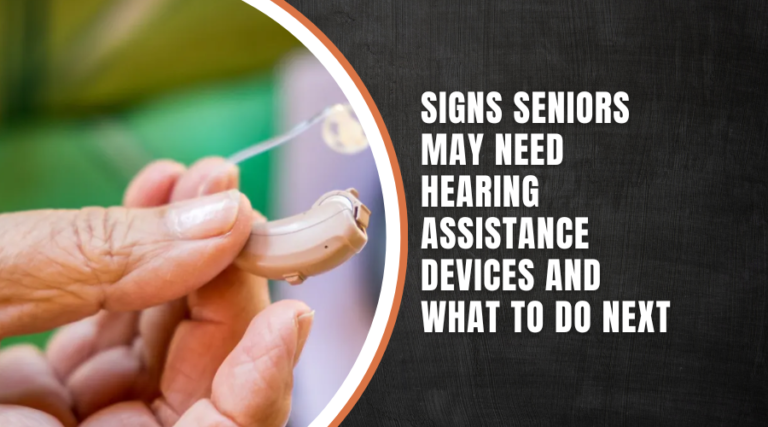
High Frequency Hearing Loss: Signs You’re Missing Sound
High frequency hearing loss affects your ability to hear sounds above 2,000 Hz, making it hard to understand speech, especially women’s and children’s voices.
You might notice difficulty hearing birds chirping, phone rings, or consonant sounds like “s,” “th,” and “f” in conversations.
Have you ever found yourself asking people to repeat themselves more often? Or maybe you’ve noticed that certain sounds seem to have disappeared from your daily life? You’re not alone. High frequency hearing loss is one of the most common types of hearing issues, and it can sneak up on you gradually.
Let me walk you through what this means for your hearing and how to spot the warning signs early.
What Is High Frequency Hearing Loss?
High frequency hearing loss happens when you lose the ability to hear sounds in the higher pitch ranges. Think of sound like a piano – you can still hear the low notes on the left side, but the high notes on the right start to fade away.
From what I found in research, normal hearing covers frequencies from about 20 Hz to 20,000 Hz. High frequency hearing loss typically affects sounds above 2,000 Hz (National Institute on Deafness and Other Communication Disorders).
This type of hearing loss is different from other forms because it’s selective. You might hear a truck rumbling by just fine, but miss the delicate sound of your grandchild’s voice.
How Sound Frequencies Work in Daily Life
To understand what you’re missing, let me break down common sounds by frequency:
- Low frequencies (250-500 Hz): Thunder, men’s voices, bass guitar
- Mid frequencies (500-2,000 Hz): Normal conversation, piano middle keys
- High frequencies (2,000-8,000 Hz): Women’s voices, children’s voices, birds, doorbells
- Very high frequencies (8,000+ Hz): Crickets, some consonant sounds, smoke alarms
When high frequencies fade, you lose access to a whole world of sounds that add richness to your environment.
Early Warning Signs You Shouldn’t Ignore
Many experts say that high frequency hearing loss develops slowly. You might not notice it at first because your brain adapts to the gradual changes.
Speech and Conversation Challenges
The most common early sign is trouble understanding speech, especially in noisy places. You might find yourself saying “What?” more often during family dinners or struggling to follow conversations in restaurants.
Women’s and children’s voices become harder to understand because they naturally have higher pitches. If you can hear your grandson talking but can’t make out what he’s saying, this could be a red flag.
Specific Speech Sounds That Disappear First
Certain consonant sounds live in the high frequency range. You might notice trouble hearing:
- “S” sounds (snake, kiss, bus)
- “F” sounds (phone, coffee, laugh)
- “Th” sounds (think, bath, three)
- “Ch” sounds (church, beach, much)
When these sounds fade, speech becomes unclear and muddy, even though you can still hear that someone is talking.
Environmental Sound Changes
Your environment starts to sound different too. Birds might seem to have stopped singing in your neighborhood. Your phone’s ringtone becomes harder to hear.
I found research showing that many people with high frequency hearing loss miss important safety sounds like smoke detectors, car horns, and emergency vehicle sirens (American Speech-Language-Hearing Association).
Technology and Electronic Sounds
Modern life is full of high-pitched electronic beeps and alerts. You might find yourself missing:
- Microwave completion beeps
- Text message notifications
- Computer alert sounds
- Turn signal clicking in your car
Why High Frequency Hearing Loss Happens
Understanding the causes can help you recognize if you’re at risk and take preventive steps.
Age-Related Changes
Age is the biggest factor. Research often connects aging with gradual hearing loss in higher frequencies, starting as early as your 30s or 40s (Mayo Clinic).
The tiny hair cells in your inner ear that detect high frequencies are delicate and wear out over time. Think of them like grass in a high-traffic area – they get worn down from constant use.
Noise Exposure Over Time
Years of exposure to loud sounds damage these same hair cells. This doesn’t just mean rock concerts or construction work. Even moderate noise over decades can add up.
Common sources include traffic noise, lawn mowers, hair dryers, and listening to music through headphones at higher volumes.
Occupational Factors
Certain jobs put you at higher risk:
- Manufacturing and factory work
- Aviation and airport jobs
- Music and entertainment industry
- Military service
- Emergency services (sirens and radios)
Medical and Genetic Factors
Some health conditions and medications can affect high frequency hearing. Diabetes, high blood pressure, and certain antibiotics may play a role.
From what I read, genetics also matter. If your parents or siblings have hearing loss, you might be more likely to develop it too (National Institutes of Health).
Testing and Diagnosis
If you recognize these signs, getting a proper hearing test is the next step. Don’t wait until the problem becomes severe.
What to Expect During Testing
A hearing test, called an audiogram, measures your hearing across different frequencies. You’ll wear headphones and respond to various tones and beeps.
The test is painless and usually takes about 30 minutes. The results show exactly which frequencies you’re having trouble with and how severe the loss is.
Reading Your Results
Hearing loss levels are measured in decibels (dB):
| Hearing Level | Decibel Range | What It Means |
|---|---|---|
| Normal | 0-25 dB | No hearing issues |
| Mild | 26-40 dB | Difficulty with soft sounds |
| Moderate | 41-70 dB | Trouble with normal conversation |
| Severe | 71-90 dB | Need amplification for most sounds |
When to See a Professional
Don’t wait for a “convenient time” to get tested. If you’re noticing any of the signs I mentioned, schedule an appointment with an audiologist.
Early detection gives you more options for treatment and can prevent further damage.
Treatment Options and Solutions
The good news is that high frequency hearing loss is very treatable with modern technology.
Hearing Aids Designed for High Frequencies
Today’s hearing aids can be programmed specifically for your hearing loss pattern. They can amplify just the high frequencies you’re missing while leaving your good low-frequency hearing alone.
Many people are surprised by how small and discreet modern hearing aids are. Some fit completely in your ear canal and are nearly invisible.
Advanced Features That Help
Modern hearing aids offer features specifically helpful for high frequency loss:
- Directional microphones that focus on speech
- Noise reduction in restaurants and crowds
- Frequency lowering that moves high sounds to ranges you can hear
- Bluetooth connectivity to your phone and TV
Communication Strategies
While hearing aids are the main treatment, you can also learn techniques to communicate better:
- Position yourself to see people’s faces when they talk
- Ask people to speak clearly rather than loudly
- Choose quieter restaurants and meeting spots
- Use visual cues and context to fill in missed words
Protecting Your Remaining Hearing
Once you have high frequency hearing loss, protecting what hearing you have left becomes even more important.
Simple Daily Habits
Small changes can make a big difference:
- Turn down your TV and music volumes
- Use ear protection when mowing the lawn or using power tools
- Take breaks from noisy environments
- Choose quieter appliances when replacing old ones
The 60/60 Rule
When using headphones or earbuds, follow the 60/60 rule: listen at no more than 60% volume for no more than 60 minutes at a time.
This simple guideline can help prevent further damage to those delicate high-frequency hair cells.
Living Well with High Frequency Hearing Loss
High frequency hearing loss doesn’t have to limit your life. With the right approach, you can continue enjoying conversations, music, and all the sounds that matter to you.
The key is recognizing the signs early and taking action. Your hearing is worth protecting, and modern solutions can help you stay connected to the sounds you love.
Conclusion
High frequency hearing loss is common, but it doesn’t have to sneak up on you. By recognizing the early warning signs – like difficulty understanding women’s and children’s voices, missing birds singing, or struggling with consonant sounds – you can take action before the problem gets worse.
Remember, this type of hearing loss is very treatable with modern hearing aids and communication strategies. The sooner you address it, the better your options for maintaining clear communication and staying connected to the world around you.
Don’t ignore the signs. Your hearing health affects your relationships, safety, and quality of life. If any of these symptoms sound familiar, consider scheduling a hearing test. You deserve to hear life in full frequency.
What’s the difference between high frequency and low frequency hearing loss?
High frequency hearing loss affects sounds above 2,000 Hz like women’s voices and birds, while low frequency loss affects deeper sounds like men’s voices and thunder. Most people with age-related hearing loss lose high frequencies first, making speech understanding the main challenge rather than hearing volume.
Can high frequency hearing loss be reversed?
High frequency hearing loss from aging or noise damage cannot be reversed because the hair cells in your inner ear don’t regenerate. But hearing aids can effectively restore your ability to hear these frequencies, and protecting your remaining hearing can prevent further loss.
Why do I hear better in quiet places than noisy ones?
Background noise often contains low and mid frequencies that mask the high frequency speech sounds you’re already struggling to hear. Your brain can’t separate the important speech information from the competing noise, making conversations much harder in restaurants or crowds.
Will wearing hearing aids make my hearing worse?
No, properly fitted hearing aids will not damage your hearing or make it worse. They’re programmed specifically for your hearing loss levels and include safety features to prevent over-amplification. Many people find their hearing seems better even when not wearing aids due to improved auditory stimulation.
How quickly does high frequency hearing loss progress?
Age-related high frequency hearing loss typically progresses gradually over years or decades, which is why many people don’t notice it initially. Noise-induced loss can happen more rapidly depending on exposure levels. Regular hearing tests every few years can track any changes and help adjust treatment as needed.