Presbycusis Guide: Causes & Best Treatments for Seniors
Presbycusis is age-related hearing loss that affects about one-third of adults between 65-74 years old, causing gradual difficulty hearing high-pitched sounds and understanding speech.
The best treatments for presbycusis include hearing aids, assistive listening devices, cochlear implants for severe cases, and communication strategies that help you stay connected with family and friends.
What Is Presbycusis and How Does It Affect You?
Think of your ears like old speakers that slowly lose their crisp sound quality over time. That’s presbycusis in a nutshell.
This condition happens when tiny hair cells in your inner ear wear out naturally as you age. These cells can’t repair themselves once damaged.
You might first notice trouble hearing your grandchildren’s voices or missing parts of conversations in noisy restaurants. The sounds don’t disappear completely – they just become muffled or unclear.
Early Warning Signs to Watch For
Many people dismiss early hearing changes as “just getting older.” But catching presbycusis early helps you get better treatment results.
- Asking people to repeat themselves often
- Turning up TV volume higher than before
- Struggling to hear in crowded places
- Missing phone calls or doorbells
- Hearing ringing or buzzing sounds
Women’s vs. Men’s Voices
You’ll probably notice women’s and children’s voices become harder to understand first. Their higher-pitched voices fall right in the range where presbycusis hits hardest.
Men’s deeper voices often stay clearer longer. This is why you might hear your husband fine but struggle with your daughter’s calls.
What Causes Age-Related Hearing Loss?
Several factors work together to cause presbycusis. Understanding these helps you make sense of what’s happening in your ears.
Natural Aging Process
Your inner ear contains about 16,000 hair cells when you’re born. These cells detect sound waves and send signals to your brain.
Over decades, these cells gradually die off. Unlike skin cells, they never grow back. By age 65, many people have lost a significant number of these sound detectors.
The Cochlea Connection
Your cochlea is a snail-shaped structure that processes different sound frequencies. High-frequency sounds get processed at the entrance, while low frequencies travel deeper inside.
Presbycusis typically damages the entrance area first. That’s why high-pitched sounds disappear before low ones.
Lifestyle and Environmental Factors
Age isn’t the only culprit. Your life experiences play a big role too.
Loud noise exposure speeds up hearing loss. If you worked in construction, attended many concerts, or used power tools regularly, you might develop presbycusis earlier.
Medical Conditions That Make It Worse
Certain health problems can accelerate hearing loss:
- Diabetes reduces blood flow to your ears
- High blood pressure damages delicate ear structures
- Heart disease affects circulation throughout your body
- Some medications can be toxic to your ears
Types of Presbycusis You Should Know
Not all age-related hearing loss is the same. Doctors classify presbycusis into different types based on which part of your ear is affected.
Sensory Presbycusis
This type damages the hair cells that detect sound. It’s the most common form and typically starts in your 60s.
You’ll notice sharp drop-offs in hearing certain frequencies. Speech might sound unclear even when it’s loud enough.
Neural Presbycusis
Here, the nerves that carry sound signals to your brain start failing. This type makes understanding speech particularly difficult.
You might hear sounds fine but struggle to process what words actually mean. It’s like having a bad phone connection to your brain.
Mixed Types Are Common
Most people don’t have just one type. You’ll likely develop a combination as different parts of your hearing system age at different rates.
Best Treatment Options for Presbycusis
Good news: many effective treatments can help you hear better and stay connected. The key is finding what works best for your specific situation.
Hearing Aids: Your First Line of Defense
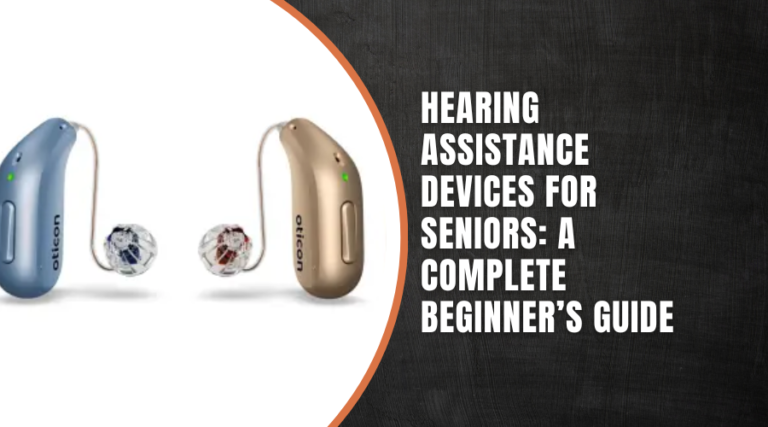
Modern hearing aids are nothing like the bulky, whistling devices your parents might have used. Today’s models are tiny, smart, and incredibly effective.
Digital hearing aids can be programmed specifically for your hearing loss pattern. They amplify the frequencies you need most while reducing background noise.
Different Hearing Aid Styles
| Style | Visibility | Best For |
|---|---|---|
| Behind-the-ear (BTE) | Most visible | Severe hearing loss, easy handling |
| In-the-ear (ITE) | Moderate visibility | Mild to moderate loss, good battery life |
| Completely-in-canal (CIC) | Nearly invisible | Mild loss, cosmetic concerns |
Smart Features That Help
Many hearing aids now connect to your smartphone. You can adjust settings, stream phone calls directly, and even track your hearing health.
Some models automatically adjust to different environments. They know when you’re in a restaurant versus your living room.
Assistive Listening Devices
These devices work alongside or instead of hearing aids for specific situations.
- TV amplifiers let you hear clearly without blasting volume
- Phone amplifiers make conversations easier
- Personal FM systems help in large groups
- Vibrating alarm clocks ensure you wake up on time
Loop Systems in Public Places
Many theaters, churches, and auditoriums have hearing loop systems. If your hearing aid has a telecoil, you can tap directly into these systems for crystal-clear sound.
Cochlear Implants for Severe Cases
When hearing aids aren’t enough, cochlear implants might be an option. These devices bypass damaged hair cells entirely.
A cochlear implant has two parts: an external processor and an internal implant. The processor captures sounds and converts them to electrical signals.
The internal part stimulates your auditory nerve directly. It’s like giving your brain a new way to receive sound information.
Who’s a Good Candidate?
Cochlear implants work best for people with severe to profound hearing loss who don’t benefit much from hearing aids.
You’ll need surgery and several months of training to learn how to interpret the new sounds. But many people achieve excellent results.
Communication Strategies That Work
Technology alone isn’t enough. Learning better communication skills can make a huge difference in your daily life.
Tips for Better Conversations
Small changes in how you communicate can dramatically improve your understanding.
- Face the person speaking to read lips and facial expressions
- Ask people to speak clearly, not louder
- Choose quieter locations for important conversations
- Let others know about your hearing loss
- Use context clues when you miss words
Family and Friends Can Help
Teach your loved ones how to communicate better with you. Ask them to get your attention before speaking and to rephrase rather than just repeat.
Good lighting helps you see facial expressions and lip movements. Sit where you can see everyone during group conversations.
Technology That Bridges Gaps
Smartphone apps can transcribe conversations in real-time. While not perfect, they provide helpful backup when you miss something important.
Video calling often works better than phone calls because you can see the person’s face and gestures.
Preventing Further Hearing Loss
While you can’t reverse presbycusis, you can slow its progression and protect your remaining hearing.
Protect Your Ears from Loud Noise
Wear earplugs or noise-canceling headphones around loud equipment. Even everyday activities like leaf blowing or attending sports events can damage your hearing.
The 60/60 rule works well for headphones: listen at no more than 60% volume for no more than 60 minutes at a time.
Know Your Noise Levels
Sounds over 85 decibels can cause damage with extended exposure. That includes busy traffic, lawn mowers, and loud restaurants.
If you need to shout to be heard over background noise, it’s probably too loud.
Manage Your Overall Health
Good circulation helps your ears stay healthy. Regular exercise, managing diabetes, and controlling blood pressure all support better hearing.
Some research suggests that omega-3 fatty acids might help protect against hearing loss (NIH). Include fish, walnuts, and flaxseeds in your diet.
Regular Hearing Checkups
Get your hearing tested every few years, even if you think it’s fine. Early detection leads to better treatment outcomes.
Many changes happen gradually, so you might not notice them day to day. Professional testing catches subtle changes you’d miss.
Living Well with Presbycusis
Hearing loss doesn’t have to limit your social life or independence. With the right approach, you can stay active and engaged.
Stay Socially Connected
Don’t let hearing challenges isolate you. Social isolation can lead to depression and cognitive decline.
Join groups for people with hearing loss. They understand your challenges and can share practical tips.
Consider learning sign language or lip reading if you’re interested. Many community centers offer classes.
Adapt Your Environment
Make your home more hearing-friendly. Add visual alerts for doorbells and phones. Use rugs and curtains to reduce echo and background noise.
Good acoustics make conversations easier for everyone, not just people with hearing loss.
Conclusion
Presbycusis is a natural part of aging that affects millions of people. While you can’t prevent it entirely, you have many effective options to manage it successfully.
Modern hearing aids, assistive devices, and communication strategies can help you maintain your quality of life. The key is getting professional help early and staying open to different solutions.
Don’t let pride or misconceptions about hearing aids hold you back. Your relationships, safety, and mental health are too important. Take action today to protect and maximize your remaining hearing.
Remember that adjusting to hearing loss takes time. Be patient with yourself and your loved ones as you all learn new ways to communicate effectively.
What’s the difference between presbycusis and sudden hearing loss?
Presbycusis develops gradually over years or decades, while sudden hearing loss happens quickly, often within 72 hours. Sudden hearing loss needs immediate medical attention, but presbycusis progresses slowly and can be managed with various treatments.
Can presbycusis affect just one ear?
Presbycusis usually affects both ears, though one ear might be worse than the other. If you have significant hearing loss in only one ear, see an audiologist as this could indicate a different condition that needs medical evaluation.
How much do hearing aids cost for presbycusis treatment?
Hearing aids typically range from $1,000 to $4,000 per ear, depending on features and technology level. Some insurance plans cover part of the cost, and many audiologists offer financing options or payment plans to make treatment more affordable.
Will my presbycusis keep getting worse over time?
Presbycusis often progresses slowly as you age, but the rate varies greatly between individuals. Protecting your ears from loud noise, managing health conditions, and using appropriate hearing devices can help slow progression and maintain your communication abilities.
Can I drive safely with presbycusis?
Most people with presbycusis can drive safely, especially with properly fitted hearing aids. You might need to be more alert to visual cues like emergency vehicle lights. Some states require hearing tests for license renewal after certain ages, so check your local requirements.