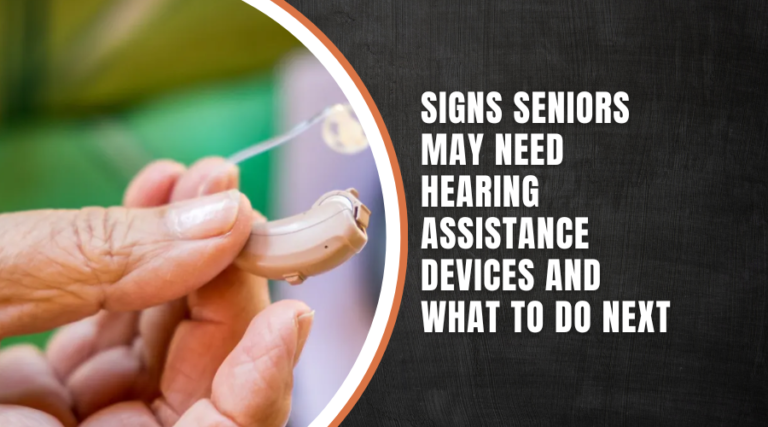
How to Prevent Ear Infections from Hearing Aid Use
Ear infections from hearing aids can be prevented by keeping your devices clean, ensuring proper fit, and maintaining good ear hygiene through daily cleaning routines.
The key steps include washing your hands before handling hearing aids, cleaning devices daily with appropriate solutions, and removing earwax buildup that can trap bacteria.
Why Hearing Aids Can Cause Ear Infections
Your ear canal is like a cozy cave. When you put a hearing aid in there all day, you create the perfect storm for bacteria growth. Think warm, moist, and dark.
I found from research that hearing aids block natural air flow. Your ears normally breathe and self-clean. But when something sits in there for hours, moisture gets trapped (American Academy of Otolaryngology).
Earwax buildup makes things worse. The wax can’t escape like it normally would. Instead, it builds up around your device and creates a breeding ground for germs.
Common Signs You Might Have an Infection
Watch for these red flags. Your ear might feel itchy, painful, or full. You could notice discharge or unusual odor coming from your ear.
Some people get temporary hearing loss beyond their normal level. Others feel dizzy or off-balance. Don’t ignore these signs.
Daily Cleaning Habits That Work
Think of hearing aid hygiene like brushing your teeth. You wouldn’t skip it, right? Same energy here.
Morning Routine Before Insertion
Start with clean hands. Wash them with soap and water for at least 20 seconds. Sounds basic, but I found this step prevents most contamination issues.
Check your ears for any discharge or unusual moisture. If you notice anything odd, clean gently with a dry cloth. Never use cotton swabs deep in your ear canal.
Inspect Your Device First
Look over your hearing aid before putting it in. Check for cracks, damage, or visible earwax buildup. Clean any debris you can see.
Make sure the battery compartment is dry. Moisture there can spread to other parts of the device.
Evening Removal and Cleaning
Take your hearing aids out as soon as you don’t need them. Many experts recommend removing them at least an hour before bedtime to let your ears breathe.
Clean your device right after removal. Use the cleaning tools that came with your hearing aids. Most manufacturers include small brushes and picks for this purpose.
Proper Cleaning Solutions
Never use water, alcohol, or household cleaners. These can damage delicate electronics. Stick to cleaning solutions made for hearing aids.
Dry cleaning cloths work well for daily maintenance. Some people use UV sanitizers, but check with your audiologist first.
Earwax Management Strategies
Earwax isn’t your enemy. Your body makes it to protect your ears. But too much can cause problems with hearing aids.
Safe Wax Removal Methods
Research shows that over-cleaning can make wax problems worse. Your ears might produce more wax to compensate (Mayo Clinic).
Use a damp washcloth to clean the outer part of your ear. Let warm water run over your ears in the shower, but don’t force water into the canal.
When to See a Professional
Some people are wax factories. If you notice frequent buildup, schedule regular cleanings with your audiologist or doctor.
Professional removal is safer than doing it yourself. They have the right tools and training to avoid pushing wax deeper.
Products That Help
Over-the-counter ear drops can soften wax for easier removal. Look for mineral oil or glycerin-based options. Avoid anything with harsh chemicals.
Use drops a few times per week, not daily. Follow the package directions carefully.
Proper Hearing Aid Fit and Comfort
A poorly fitting hearing aid is like wearing the wrong shoe size all day. It causes problems beyond just comfort.
Signs Your Fit Needs Adjustment
Your hearing aid should feel secure but not tight. You shouldn’t have constant pressure, pain, or soreness.
If your device falls out easily or feels loose, bacteria can get trapped in the gaps. If it’s too tight, it blocks airflow and creates moisture buildup.
Working with Your Audiologist
Don’t suffer through a bad fit. Your audiologist can make adjustments or create new ear molds. This isn’t a one-and-done process.
Your ears change over time. Weight loss, aging, and other factors can affect fit. Plan on periodic check-ups.
Break-in Period Guidelines
New hearing aids need a gradual break-in period. Start with a few hours per day and slowly increase wear time.
I came across recommendations to wear new devices for 2-3 hours initially, then add an hour each day (Hearing Loss Association of America).
| Day | Recommended Wear Time | What to Watch For |
|---|---|---|
| 1-2 | 2-3 hours | Mild discomfort is normal |
| 3-4 | 4-5 hours | Reduced awareness of device |
| 5-7 | 6-8 hours | Comfortable all-day wear |
| Week 2+ | Full day as needed | No pain or irritation |
Environmental Factors to Consider
Where you spend your time affects infection risk. Hot, humid environments create more challenges for hearing aid users.
Humidity Control
High humidity makes moisture problems worse. If you live in a humid climate, take extra precautions.
Consider using a hearing aid dehumidifier overnight. These small devices remove moisture that builds up during the day.
Swimming and Water Activities
Remove hearing aids before any water activity. This includes swimming, showering, and even heavy sweating during exercise.
Wait until your ears are completely dry before putting devices back in. Use a soft towel to gently dry the outer ear area.
Seasonal Considerations
Winter heating can dry out your ears, making them more prone to irritation. Summer heat increases moisture and bacteria growth.
Adjust your cleaning routine based on the season. You might need more frequent cleaning during hot, sweaty months.
Storage and Maintenance Best Practices
How you store your hearing aids when not wearing them matters more than you might think.
Overnight Storage
Open the battery compartment every night. This allows moisture to escape and extends battery life.
Store your devices in a clean, dry case. Some cases include drying agents or UV lights for extra protection.
Travel Considerations
Pack hearing aids in your carry-on bag, never checked luggage. Temperature changes in cargo holds can damage electronics.
Bring extra batteries and cleaning supplies. You don’t want to be stuck without proper maintenance tools.
When to Seek Professional Help
Don’t play doctor with ear infections. Some situations need immediate professional attention.
Warning Signs
Severe pain, fever, or discharge that doesn’t improve with basic care needs medical evaluation. Same goes for hearing loss that seems worse than usual.
If you get frequent infections despite good hygiene, talk to your doctor. You might have underlying issues that need addressing.
Preventive Check-ups
Schedule regular visits with your audiologist even when nothing seems wrong. They can spot problems before they become infections.
Many experts recommend professional cleanings every 3-6 months for heavy hearing aid users (American Speech-Language-Hearing Association).
Conclusion
Preventing ear infections from hearing aid use comes down to consistent daily habits and smart choices. Clean your devices every day, maintain proper fit, and give your ears breathing room when possible.
Remember that good hygiene protects both your hearing aids and your ear health. The small daily effort prevents bigger problems down the road. When in doubt, ask your audiologist for guidance rather than guessing.
Your hearing aids should improve your quality of life, not create new health concerns. With these prevention strategies, you can wear your devices confidently and comfortably for years to come.
How often should I clean my hearing aids to prevent infections?
Clean your hearing aids every single day after removal. This daily routine prevents bacteria buildup and keeps both your devices and ears healthy. Use only manufacturer-approved cleaning tools and solutions.
Can I use alcohol wipes to clean my hearing aids?
No, never use alcohol wipes or household cleaners on hearing aids. These can damage the delicate electronics and protective coatings. Stick to dry cleaning cloths and hearing aid-specific cleaning solutions recommended by your audiologist.
What should I do if my ear feels painful after wearing hearing aids?
Remove your hearing aids immediately and let your ears rest. Check for visible signs of infection like redness or discharge. If pain continues or you notice fever, contact your doctor rather than trying to push through the discomfort.
Is it safe to wear hearing aids all day every day?
Most people can safely wear hearing aids all day, but your ears need some breathing time. Remove them for at least an hour before bedtime and any time you don’t absolutely need them. This helps prevent moisture buildup and gives your ear canals time to air out.
How do I know if my hearing aid fit is causing infection problems?
Signs of poor fit include constant pressure, pain, frequent device slipping, or recurring ear irritation. A properly fitted hearing aid should feel secure but comfortable, with no ongoing discomfort. Schedule a fit adjustment with your audiologist if you experience any of these issues.