Signs Seniors May Need Hearing Assistance Devices and What to Do Next
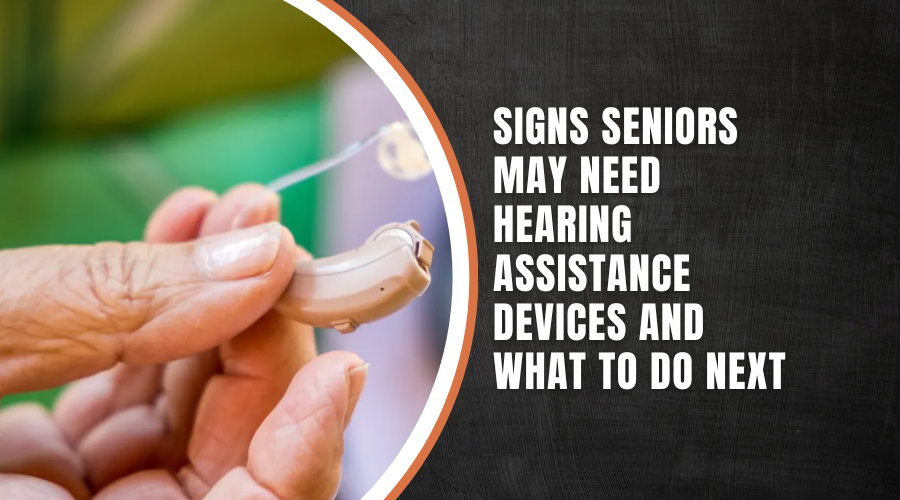
Hearing changes often happen gradually, making them easy to overlook. Many seniors adapt without realizing how much hearing loss is affecting daily life. Recognizing the early signs and choosing the right hearing assistance device can greatly improve comfort, communication, and safety.
This guide helps seniors and caregivers identify common hearing challenges and understand practical next steps.
Common Signs of Hearing Difficulty in Seniors
Frequently Asking Others to Repeat Themselves
One of the earliest signs of hearing loss is asking people to repeat words, especially in conversations with background noise or group settings.
Increasing TV or Radio Volume
If the television volume is often louder than others prefer, it may indicate difficulty hearing certain sound frequencies.
Trouble Hearing on the Phone
Phone conversations may sound muffled or unclear, even when the volume is high. This is a common issue for seniors with mild to moderate hearing loss.
Avoiding Conversations or Social Situations
Hearing challenges can lead to frustration, embarrassment, or withdrawal from social activities. Seniors may avoid gatherings to prevent communication difficulties.
Difficulty Hearing Doorbells, Alarms, or Alerts
Missing important sounds can impact safety at home, especially for seniors living independently.
Why Early Hearing Support Matters
Ignoring hearing difficulties can affect more than just communication. Hearing loss has been linked to social isolation, reduced confidence, and cognitive strain.
Using hearing assistance devices early can help seniors stay engaged, alert, and independent without waiting for hearing loss to worsen.
Hearing Assistance Devices as a First Step
Hearing assistance devices offer a simple and accessible solution for seniors who are not ready for prescription hearing aids or who have mild hearing challenges.
These devices are widely available, easy to use, and designed for everyday listening needs such as conversations, television, and phone calls.
Types of Devices That Help With Early Hearing Loss
Sound Amplification Devices
These devices boost surrounding sounds and are helpful for face to face conversations and indoor listening.
Amplified Telephones
Phones with enhanced volume and clarity improve communication with family, friends, and healthcare providers.
TV Sound Amplifiers
TV listening devices help seniors hear dialogue clearly without increasing overall volume.
Wearable Hearing Amplifiers
Lightweight wearable options provide on the go support for daily activities and outings.
How Caregivers Can Help Seniors Choose the Right Device
Caregivers play an important role in supporting seniors through hearing challenges.
Help assess where hearing difficulties occur most often
Choose devices with simple controls and clear instructions
Prioritize comfort and ease of maintenance
Encourage gradual use to build confidence
Patience and encouragement can make the adjustment process much easier.
When to Consider Professional Hearing Support
Hearing assistance devices are ideal for mild to moderate hearing challenges. However, seniors experiencing severe hearing loss, persistent ringing, or sudden changes should consult a hearing professional.
Professional evaluation ensures the right level of support and long term hearing health.
Creating a Hearing Friendly Home Environment
In addition to hearing devices, small changes can improve communication.
Reduce background noise during conversations
Speak clearly and face the listener
Use visual alerts for doorbells and alarms
Ensure good lighting for lip reading
These adjustments work well alongside hearing assistance devices.
Final Thoughts
Hearing changes are a normal part of aging, but they do not have to limit independence or quality of life. Recognizing early signs and using hearing assistance devices can help seniors stay connected, confident, and safe.
At Safevella, we focus on senior-friendly hearing assistance devices that support everyday needs without complexity. Our goal is to help seniors and caregivers make informed choices that improve daily living.