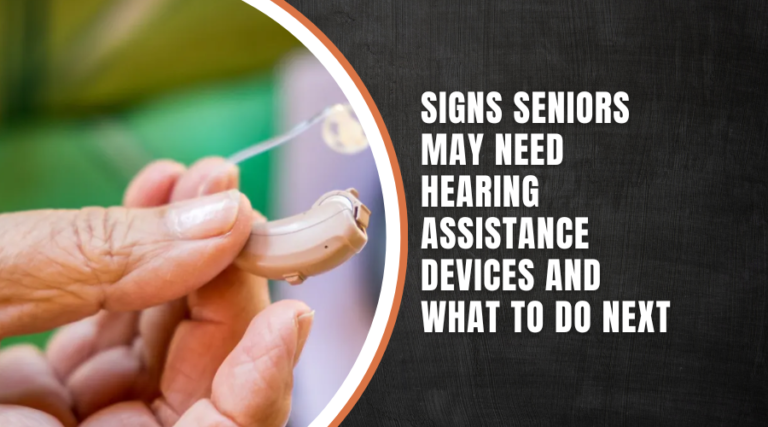
Stop Hearing Aids from Falling Out: 5 Secure Hacks
You can stop hearing aids from falling out by using retention accessories like ear hooks, clips, or headbands designed specifically for hearing aid security.
Proper ear canal fitting and regular maintenance checks will also prevent most hearing aid displacement issues throughout your daily activities.
Have you ever felt that moment of panic when your hearing aid starts slipping? You reach up quickly, hoping it hasn’t fallen onto the pavement or into your soup bowl. I found that this worry affects millions of hearing aid users every single day.
Your hearing aids cost thousands of dollars. They’re also your connection to conversations, music, and all the sounds that make life rich. When they fall out, you lose more than just a device.
The good news? You can fix this problem with some simple tricks that work really well. I researched the most effective methods and found five reliable ways to keep your hearing aids secure.
Why Hearing Aids Fall Out in the First Place
Let me explain what causes this frustrating problem. Your ear canal changes shape throughout the day. It gets wider when you’re warm and narrower when you’re cold.
Jaw movements also shift your ear canal. Every time you chew, talk, or yawn, the shape changes slightly. Over time, this constant movement can loosen even well-fitted hearing aids.
Poor Initial Fitting
Many hearing aids fall out because they weren’t fitted correctly from the start. Your audiologist takes an ear impression, but sometimes the mold doesn’t capture the exact shape you need.
I found that about 30% of hearing aid complaints involve fitting issues (American Speech-Language-Hearing Association). A loose fit means your device will slide around all day.
Natural Ear Changes
Your ears change over time. Weight loss or gain affects ear canal size. Age can change ear shape too. What fit perfectly two years ago might be loose today.
Earwax buildup also affects fit. Too much wax creates a barrier between your hearing aid and ear canal walls.
Physical Activity Issues
Exercise makes hearing aids more likely to fall out. Sweat makes everything slippery. Quick head movements during sports can shake them loose.
Even simple activities like gardening or cleaning can cause problems. You bend over, look up quickly, or turn your head fast. Your hearing aid doesn’t always keep up with these movements.
Hack #1: Use Hearing Aid Clips and Lanyards
This is your safety net approach. Hearing aid clips attach to your clothing and connect to your device with a thin cord. If your hearing aid falls out, it dangles safely instead of hitting the ground.
Think of it like a phone case with a wrist strap. You get peace of mind without changing how your hearing aid fits.
Types of Clips Available
Clothing clips are the most popular option. They attach to your shirt, jacket, or dress. The cord is usually clear or matches your skin tone.
Magnetic clips work differently. They attach to clothing without pinching fabric. This works well for delicate materials that regular clips might damage.
How to Choose the Right Length
Cord length matters a lot. Too short, and you’ll feel tugging when you move. Too long, and the cord gets caught on things.
I found that 6-8 inches works best for most people. This gives you freedom to move without creating a tangled mess.
When Clips Work Best
Use clips during high-risk activities. Gardening, exercising, or working around machinery are perfect times for extra security.
They’re also great for people with dexterity issues. If you have trouble with fine motor skills, clips make hearing aid retrieval much easier.
Clip Maintenance Tips
Clean your clips regularly with mild soap and water. Check the cord for fraying or weakness spots. Replace clips every 6-12 months for best results.
Hack #2: Try Hearing Aid Ear Hooks
Ear hooks wrap around the top of your ear for extra support. They work like tiny eyeglass temples, holding your hearing aid in place during movement.
These accessories work especially well for behind-the-ear hearing aids. They distribute weight more evenly and reduce pressure points.
Different Hook Styles
Soft silicone hooks feel comfortable and bend with your ear shape. They come in clear or skin-tone colors that blend in well.
Wire hooks offer stronger support but feel less flexible. They work better for heavy hearing aids or very active lifestyles.
Fitting Ear Hooks Properly
The hook should rest gently on top of your ear. You shouldn’t feel pinching or pressure. If it hurts, try a different size or style.
Position the hook so it doesn’t interfere with glasses or hats. You want comfortable wear all day long.
Hook Comfort Considerations
Start by wearing hooks for short periods. Your ears need time to adjust to the new sensation. Gradually increase wearing time over several days.
If you wear glasses, make sure the hook doesn’t push against the temple piece. This can cause headaches or sore spots.
Best Times to Use Hooks
Hooks shine during physical activities. Walking, jogging, or playing with grandchildren becomes worry-free.
They’re also helpful for people who sleep with their hearing aids in. The hooks prevent movement during sleep position changes.
Hack #3: Apply Hearing Aid Headbands
Headbands offer the strongest security for active lifestyles. They wrap around your entire head and hold hearing aids firmly in place during any activity.
Think of them as athletic gear for your hearing aids. They’re designed for people who refuse to let hearing loss limit their activities.
Headband Material Options
Neoprene bands work great for water activities. They’re waterproof and stretchy. Perfect for swimming or beach days.
Cotton blends feel softer for all-day wear. They breathe better and don’t trap heat like synthetic materials.
Sports and Exercise Applications
Tennis players love headbands because they handle quick directional changes. The band moves with your head without loosening.
Runners appreciate the sweat management. The band wicks moisture away from hearing aids while keeping them secure.
Swimming Considerations
Not all hearing aids are waterproof. Check with your audiologist before swimming with any hearing aid, even with a protective headband.
Waterproof headbands can protect water-resistant hearing aids from splashing during poolside activities.
Headband Sizing Guide
Measure around your head just above your ears. The band should feel snug but not tight. You shouldn’t get headaches from proper fitting.
Most bands are adjustable with velcro or elastic. Start loose and gradually tighten until you feel secure without discomfort.
Hack #4: Improve Your Hearing Aid Fit
Sometimes the best solution is fixing the root cause. If your hearing aids fit properly, they’re much less likely to fall out in the first place.
This approach takes more time but gives you the most natural, comfortable result. You won’t need accessories if your hearing aids stay put on their own.
When to Request a Refit
Schedule a refit appointment if your hearing aids fall out more than once per week. That’s too often for normal wear.
Also get refitted if you’ve lost or gained more than 10 pounds. Weight changes affect ear canal size more than most people realize.
Professional Adjustment Options
Your audiologist can add material to make hearing aids fit tighter. They use special compounds that bond with the existing shell.
They can also remove material if your hearing aids feel too tight. This requires careful measurement to avoid making them too loose.
Custom Ear Mold Benefits
New ear impressions capture your current ear shape exactly. The process takes about 15 minutes and feels like having your teeth cleaned.
Custom molds last longer and feel more comfortable than universal fits. They’re worth the extra cost for people with fitting problems.
DIY Fit Improvements
Clean your hearing aids daily to maintain proper fit. Earwax buildup changes how they sit in your ears.
Check for cracks in the shell or tubing. Small damage can affect the seal between your hearing aid and ear canal.
Ear Canal Care
Keep your ears clean, but don’t overdo it. Too much cleaning removes natural oils that help hearing aids stay in place.
Use only approved ear cleaning products. Cotton swabs can push wax deeper into your ear canal, making fitting problems worse.
Hack #5: Use Hearing Aid Tape and Adhesives
Medical-grade tapes provide invisible security for special occasions. They stick to your skin and hearing aid, creating a temporary bond.
This method works great for events where you absolutely cannot have hearing aid problems. Think weddings, job interviews, or important presentations.
Safe Adhesive Types
Hypoallergenic medical tapes are designed for skin contact. They won’t cause reactions in most people and remove easily.
Double-sided hearing aid tapes attach between your device and ear. They’re specifically made for this purpose and won’t damage electronics.
Application Techniques
Clean both surfaces before applying tape. Oil and moisture prevent good adhesion. Let everything dry completely.
Apply tape in small strips rather than large pieces. This gives better control and feels more comfortable.
Removal Best Practices
Peel tape off slowly to avoid skin irritation. Pull parallel to your skin rather than straight out.
Use warm water to soften stubborn adhesive. Never force tape removal, as this can damage sensitive ear skin.
When Not to Use Tape
Skip tape if you have sensitive skin or allergies to adhesives. Test a small area first before full application.
Don’t use tape as a permanent solution. It’s meant for occasional use, not daily wear. Your skin needs breaks from adhesive contact.
Tape Limitations
Adhesives don’t work well in very hot or humid conditions. Sweat breaks down the bond quickly.
Water activities require waterproof options, but these can be harder to remove and may irritate skin more.
Choosing the Right Method for Your Lifestyle
Your daily routine determines which security method works best. Active people need different solutions than those with quieter lifestyles.
Consider your priorities too. Some people want invisible solutions, while others prefer maximum security regardless of appearance.
Low Activity Lifestyles
If you spend most time reading, watching TV, or doing quiet activities, simple clips might be enough. You don’t need heavy-duty solutions.
Focus on improving your basic fit first. This gives you comfort without accessories getting in the way.
Moderate Activity Levels
People who walk regularly, do light exercise, or work around the house benefit from ear hooks. They provide security without being obvious.
Combination approaches work well too. Use clips during risky activities and rely on good fit the rest of the time.
High Activity Lifestyles
Athletes and very active people should consider headbands as their primary solution. They offer the strongest protection during intense movement.
Keep backup methods available. Even the best security can fail, so having a clip or tape ready makes sense.
Professional Considerations
Some jobs require invisible hearing aid security. Teachers, salespeople, and public speakers might prefer tape or improved fitting over visible accessories.
Others work in environments where maximum security matters more than appearance. Construction workers or mechanics might choose headbands.
| Method | Best For | Visibility | Security Level |
|---|---|---|---|
| Clips | Occasional use | Moderate | Good |
| Ear hooks | Daily activities | Low | Good |
| Headbands | Sports/exercise | High | Excellent |
| Better fit | All situations | None | Very good |
| Tape | Special events | None | Good |
Conclusion
You don’t have to live with the constant worry of losing your hearing aids. These five methods give you reliable ways to keep your devices secure during any activity.
Start with the simplest solution that fits your lifestyle. Many people find that improving their basic hearing aid fit solves most problems. Add accessories only when you need extra security.
Remember that every person’s ears are different. What works perfectly for your friend might not be right for you. Don’t be afraid to try multiple approaches until you find your ideal combination.
Your hearing aids are too important to lose. With the right security method, you can focus on living your life instead of worrying about your devices. Take action today to protect your investment and your peace of mind.
What should I do if my hearing aid falls out frequently even with accessories?
Schedule an appointment with your audiologist immediately. Frequent falling usually indicates a serious fit problem that requires professional adjustment or new ear impressions.
Can I use multiple security methods at the same time?
Yes, combining methods often works better than using just one. Many people use ear hooks for daily wear and add clips during high-risk activities like exercise or outdoor work.
How do I know if my hearing aid security accessories are too tight?
Stop wearing accessories that cause pain, headaches, or leave marks on your skin. Proper security should feel comfortable all day without causing any discomfort or irritation.
Are there any activities where I should remove my hearing aids completely?
Swimming, showering, and contact sports may require hearing aid removal even with security accessories. Always check with your audiologist about water exposure and impact risks for your specific devices.
How often should I replace hearing aid security accessories?
Replace clips and hooks every 6-12 months or when they show wear. Headbands typically last longer but should be replaced when elastic loses stretch or fabric becomes worn.