Sudden Hearing Loss in One Ear: Is it an Emergency?
Sudden hearing loss in one ear can be alarming and might require immediate attention.
If you suddenly can’t hear out of one ear, it’s essential to consider it an emergency and contact a healthcare provider promptly.
Understanding Sudden Hearing Loss in One Ear
Sudden hearing loss, especially when occurring in one ear, is a significant condition. It often comes without warning and may happen within a few hours or over several days. From what I read, immediate concern and action can make a big difference.
Common Causes of Sudden Hearing Loss
Many experts say that causes might include viral infections, ear infections, or even trauma. It’s sometimes linked to circulatory problems or autoimmune diseases (Mayo Clinic).
Is Sudden Hearing Loss an Emergency?
Yes, it is often considered an emergency. The sooner you seek medical help, the better your chances of recovery. I found that early treatment within the first 48 hours is crucial for improving outcomes.
Why Immediate Attention Matters
Waiting can lead to permanent damage. Whether it’s due to an infection or another issue, prompt treatment can often restore hearing effectively.
Recognizing the Symptoms
Symptoms might range from a muffled sound to complete loss in one ear. You may also experience ear pressure, dizziness, or tinnitus. Many guidelines point to these as indicators of a potential problem.
Steps to Take Right Away
The first step, according to most guidelines, is to contact an ENT specialist. They can assess the situation and begin necessary tests like audiograms or MRIs.
Home Remedies: Helpful or Harmful?
I researched and found that while some home remedies are tempting, professional medical advice should be prioritized. Avoid inserting anything in the ear, as it could worsen the situation.
Treatment Options
Many experts say that treatments can include corticosteroids or antivirals, depending on the cause. Sometimes, hearing aids or cochlear implants might be suggested for long-term management.
The Role of Lifestyle Changes
Reducing stress and maintaining a healthy lifestyle can aid recovery. While not a substitute for medical treatment, these steps can support overall well-being.
Preventing Future Problems
Avoid loud noises and protect your ears from infections. Regular check-ups can catch potential issues early. Research often connects ear health with overall health (NIH).
Communication Tips for Hearing Loss
If you’re communicating with someone experiencing hearing loss, speak clearly and face them directly. Patience and understanding go a long way in aiding effective communication.
When to Consider Hearing Assistance Devices
If hearing doesn’t fully return, devices like hearing aids might be a viable option. I came across recommendations that suggest exploring these options with an audiologist.
Understanding Hearing Aids
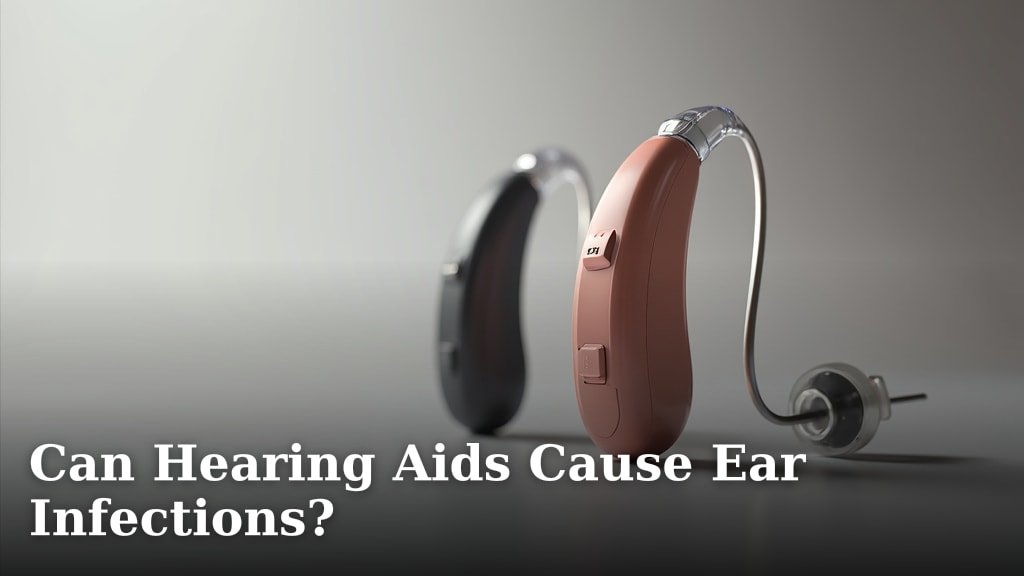
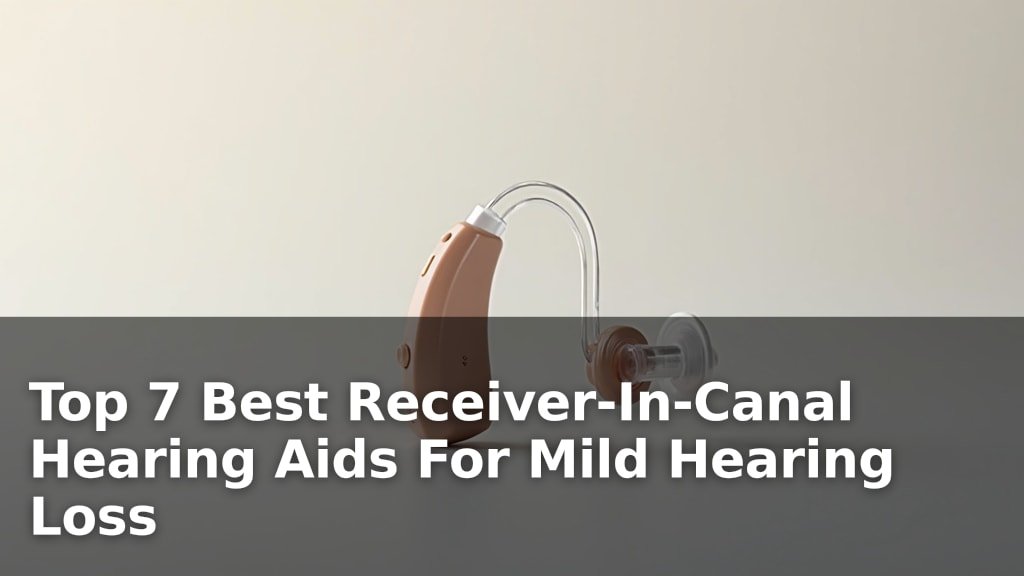
Hearing aids come in different styles to suit your needs, from in-the-ear to behind-the-ear models. Consulting with an expert can help you find the best fit.
Conclusion
Sudden hearing loss in one ear is something you should never ignore. Acting promptly can make all the difference in your recovery journey. Remember, reaching out to a healthcare professional is your best first step toward addressing this issue.
FAQs
What should I do if I suddenly lose hearing in one ear?
Contact a healthcare provider immediately. Waiting can lead to permanent damage, so it’s important to act quickly.
Can an ear infection cause sudden hearing loss?
Yes, ear infections are one of the common causes of sudden hearing loss, which is why professional evaluation is essential.
Is it safe to use ear drops if I have sudden hearing loss?
It’s better to avoid using ear drops until you’ve consulted with a healthcare provider. Incorrect treatment may worsen the condition.
How effective are hearing aids for sudden hearing loss?
Hearing aids can be helpful if your hearing doesn’t fully recover. Consulting with an audiologist can provide more personalized options.
Can stress affect my hearing?
While not directly causing hearing loss, stress can impact overall health, which might contribute to ear-related issues.