What Can Hearing Aids Really Do? Setting Expectations
On this page (10 sections)
- What Hearing Aids Actually Do for Your Hearing
- What Hearing Aids Cannot Do
- Different Types Offer Different Benefits
- Technology Features That Make a Real Difference
- The Adjustment Period Is Real
- Realistic Expectations by Hearing Loss Severity
- Cost vs. Performance Reality Check
- Making Hearing Aids Work Better for You
- When Hearing Aids Might Not Be Enough
- Conclusion
Hearing aids can improve speech clarity, reduce background noise, and help you hear conversations better, but they won’t restore perfect hearing or work like natural ears.
Setting realistic expectations about what hearing aids really do helps you make better decisions and avoid disappointment with your investment.
What Hearing Aids Actually Do for Your Hearing
Think of hearing aids like glasses for your ears. Just as glasses don’t give you superhuman vision, hearing aids don’t create perfect hearing. They make sounds louder and clearer, but your brain still needs to work at understanding what you hear.
Modern hearing aids amplify specific frequencies where you have hearing loss. They also filter out some background noise and make speech easier to follow. But you’ll still need to focus and pay attention, especially in noisy places.
Speech Understanding Gets Better
Your biggest win with hearing aids? Following conversations becomes much easier. You’ll catch more words and won’t feel exhausted from straining to hear.
Research from the National Institute on Deafness shows that most people notice better speech understanding within the first few weeks of wearing hearing aids properly fitted by professionals.
Background Noise Becomes More Manageable
Don’t expect complete silence in noisy restaurants. But good hearing aids do reduce annoying background sounds while keeping speech clear. Think of it as turning down the volume on everything except what matters most.
What Hearing Aids Cannot Do
Let’s be honest about the limits. Hearing aids work within boundaries, and knowing these helps you set realistic goals.
They Won’t Restore Perfect Hearing
Your hearing won’t go back to how it was at age 20. Hearing aids compensate for loss, but damaged hair cells in your inner ear don’t grow back. You’re working with the hearing you have left.
They Can’t Fix All Types of Hearing Problems
Some hearing issues come from damaged nerves or problems in your middle ear. Hearing aids help with the most common type – sensorineural hearing loss – but they can’t solve every hearing challenge.
Sudden Loud Noises Still Happen
Yes, most hearing aids have protection against very loud sounds. But you might still hear unexpected noises like car horns or sirens clearly. That’s actually good – you need those warning sounds for safety.
Different Types Offer Different Benefits
Not all hearing aids work the same way. Your choice affects what you can expect from your experience.
Behind-the-Ear Models
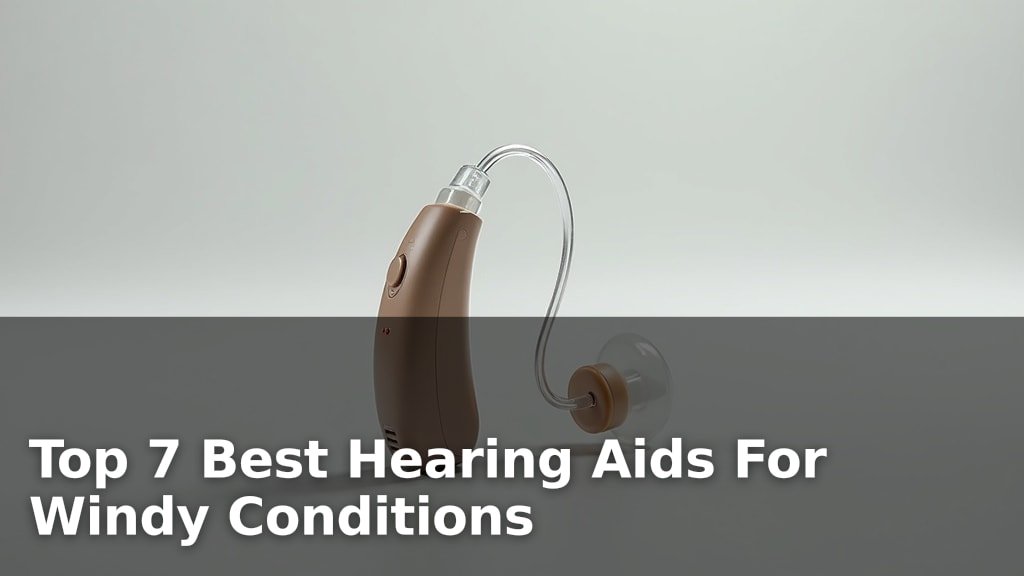
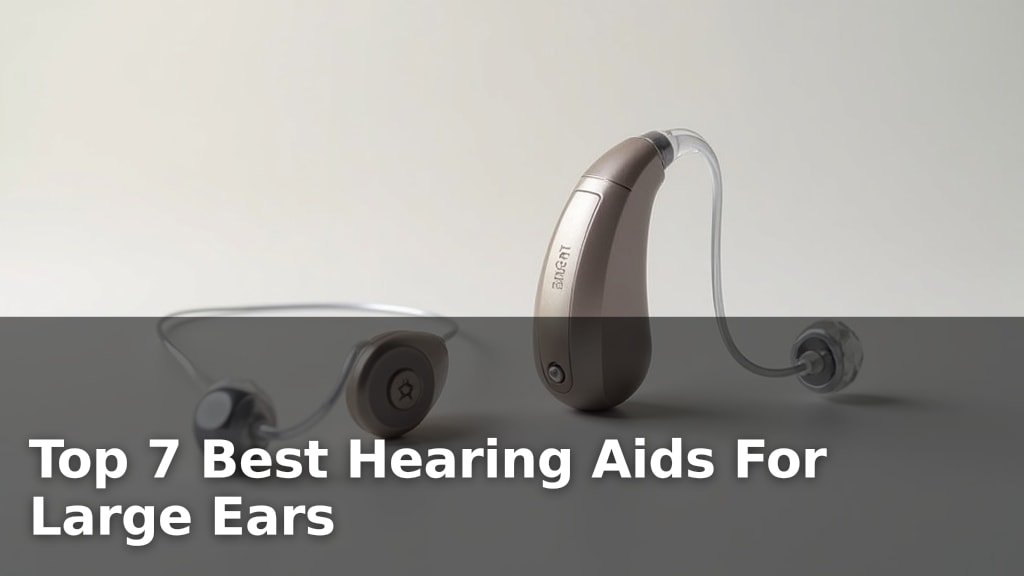
These larger hearing aids pack more power and features. You’ll get better battery life and stronger amplification if you have severe hearing loss. They’re also easier to handle if you have dexterity issues.
In-the-Ear Options
Smaller and less visible, but with trade-offs. Battery life is shorter, and they may not work as well for severe hearing loss. They’re great if your loss is mild to moderate and you want something discreet.
Completely-in-Canal Devices
Nearly invisible but limited in power. These work best for mild hearing loss and people who prioritize appearance over advanced features.
Technology Features That Make a Real Difference
Modern hearing aids come loaded with features. Some actually help your daily life, while others are nice but not game-changing.
Noise Reduction Technology
This feature really works. I found that people report much better experiences in restaurants and social gatherings when their hearing aids have good noise reduction algorithms.
Directional Microphones
These help you focus on sounds coming from in front of you while reducing noise from behind and beside you. Perfect for one-on-one conversations.
Bluetooth Connectivity
Connecting directly to your phone or TV is handy, but it’s not essential for better hearing. Think of it as a bonus feature that adds convenience.
Rechargeable Batteries
No more tiny batteries to change every few days. You just put your hearing aids in a charging case overnight. Simple and reliable.
The Adjustment Period Is Real
Your brain needs time to get used to hearing aids. Don’t expect perfect results on day one.
First Few Days Feel Strange
Everything sounds different at first. Your own voice might sound weird. You’ll notice sounds you forgot existed, like the hum of appliances or paper rustling. This is normal.
Gradual Improvement Over Weeks
Most people need 2-4 weeks to adjust fully. Your audiologist should schedule follow-up visits to fine-tune settings as your brain adapts to amplified sound.
Some Sounds Need Getting Used To
Wind noise, footsteps, and even your own chewing might seem loud initially. Your brain learns to filter these sounds naturally over time.
Realistic Expectations by Hearing Loss Severity
| Hearing Loss Level | What to Expect | Realistic Outcomes |
|---|---|---|
| Mild | Near-normal conversations | Most situations become comfortable |
| Moderate | Good speech understanding | Challenging environments still need effort |
| Severe | Significant improvement | May still need visual cues in noise |
Mild Hearing Loss Expectations
You’ll likely do very well with hearing aids. Most social situations become comfortable again, and you might forget you’re wearing them most of the time.
Moderate to Severe Loss Expectations
Hearing aids will help a lot, but you’ll still work harder to understand speech in challenging places. Lip reading and good lighting remain helpful tools.
Cost vs. Performance Reality Check
Expensive doesn’t always mean better for your specific needs. For related guidance, see T-coil Setting Hearing Aid. Here’s what I found when looking at hearing aid pricing and performance.
Premium Features You Might Actually Use
Advanced noise reduction and automatic program switching can improve your daily experience. Multiple listening programs for different environments are genuinely useful.
Features That Sound Cool But May Not Matter
Smartphone apps with dozens of adjustments often go unused. Most people find a comfortable setting and stick with it. Don’t pay extra for complexity you won’t use.
The Sweet Spot for Most People
Mid-range hearing aids often provide 80% of the benefit of premium models at 50% of the cost. Focus on essential features that match your lifestyle.
Making Hearing Aids Work Better for You
Your success with hearing aids depends partly on realistic expectations and partly on good habits.
Wear Them Consistently
Part-time wearing leads to part-time benefits. Your brain needs consistent input to adapt fully. Aim to wear your hearing aids all day, every day.
Keep Up with Maintenance
Clean hearing aids work better. Wax buildup and moisture can reduce performance dramatically. Daily cleaning takes two minutes and keeps things working smoothly.
Regular Professional Adjustments Help
Your hearing can change over time. Annual hearing tests and hearing aid adjustments keep your devices working at their best.
When Hearing Aids Might Not Be Enough
Sometimes hearing aids reach their limits. Knowing when to consider other options prevents frustration.
Severe to Profound Hearing Loss
If hearing aids don’t provide enough benefit, cochlear implants might be an option. These devices work differently and can help when hearing aids fall short.
Assistive Listening Devices
TV amplifiers, phone amplifiers, and vibrating alarm clocks work alongside hearing aids. They’re tools, not replacements, that make daily life easier.
Conclusion
Hearing aids can significantly improve your quality of life, but they work best when you understand their real capabilities and limits. They’ll help you follow conversations, reduce listening effort, and reconnect with sounds you’ve been missing. But they won’t give you perfect hearing or work effortlessly in every situation.
The key to success lies in choosing the right hearing aids for your specific hearing loss, working with a qualified professional for proper fitting, and giving yourself time to adjust. With realistic expectations and consistent use, hearing aids can bring back much of what hearing loss has taken away.
Can hearing aids damage your hearing if they’re too loud?
Modern hearing aids have built-in volume limits and compression features that prevent dangerous sound levels. However, if you experience pain or discomfort, contact your audiologist immediately for adjustments.
How long do hearing aids typically last before needing replacement?
Most hearing aids last 5-7 years with proper care and maintenance. Factors like moisture exposure, ear wax buildup, and daily wear affect their lifespan. Technology advances may also make you want to upgrade sooner.
Will insurance cover the cost of hearing aids?
Coverage varies widely by insurance plan and state. Medicare typically doesn’t cover hearing aids, but some Medicare Advantage plans do. Check with your insurance provider and ask about payment plans or financing options.
Can you sleep with hearing aids in?
It’s not recommended to sleep with hearing aids in. They need time to air dry, your ears need a break from amplification, and you could damage the devices by rolling over on them. Remove them before bed and store them in a dry, safe place.
What should you do if your hearing aids whistle or squeal?
Whistling usually means feedback from poor fit, ear wax blockage, or volume set too high. Try cleaning your ears and the hearing aids first. If whistling continues, see your audiologist for adjustments or refitting.