
What Is a Hearing Aid Dome?
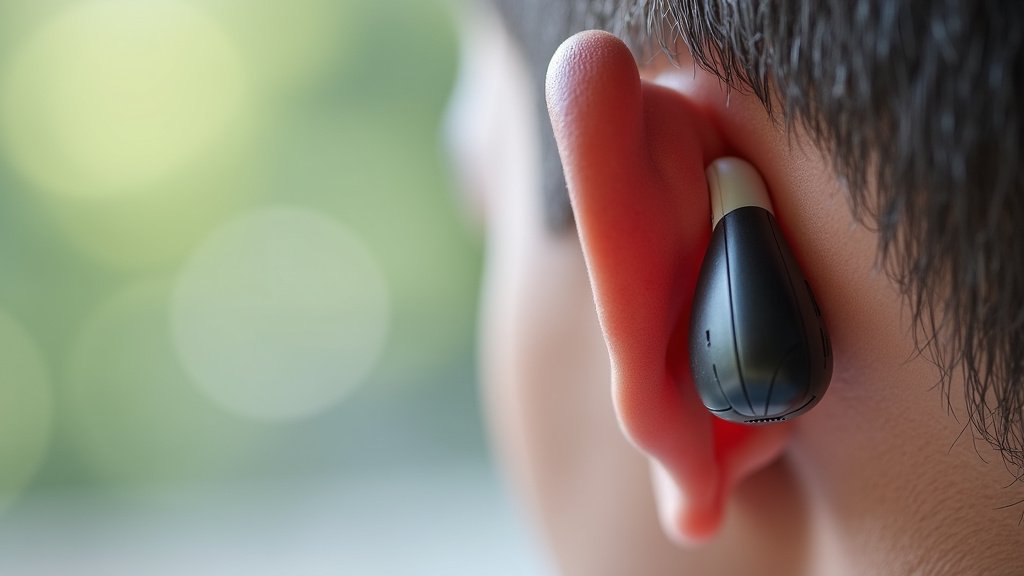
A hearing aid dome is a small, bell-shaped or tulip-shaped silicone or plastic piece that attaches to the end of a hearing aid tube or receiver. It sits inside your ear canal, gently holding the hearing aid in place and directing sound. Think of it as a tiny, comfy speaker cover for your ear.
These tiny but mighty components are super important for sound quality and comfort. We found that they come in various sizes and styles to fit different ear shapes and hearing needs. A well-fitted hearing aid dome can make all the difference in how well you hear and how comfortable your device feels throughout the day.
- A hearing aid dome is a small, soft, essential part of your hearing aid.
- It helps keep the hearing aid snugly in your ear.
- Domes direct sound into your ear canal.
- They come in various shapes and sizes for comfort and sound.
- Domes need regular cleaning and replacement.
Let’s walk through everything you need to know about hearing aid domes, from their function to how to care for them.
Understanding Your Hearing Aid Domes
So, what exactly is a hearing aid dome, and why is it so important? Put simply, it’s a small, soft, and often
transparent piece that sits at the very end of your open-fit or receiver-in-canal (RIC) hearing aid. Its primary
job is twofold: to comfortably hold your hearing aid in place and to direct sound precisely into your ear canal.
Think of it like the earpiece on your favorite earbuds, but designed specifically for hearing clarity and comfort. We
found that without a properly fitted dome, your hearing aid wouldn’t work as effectively, and it might even feel
uncomfortable or fall out.
Different Types of Hearing Aid Domes
Domes aren’t a one-size-fits-all solution. In fact, many different styles exist, each serving a slightly different
purpose. The design of the dome plays a big role in how sound reaches your eardrum and how much
natural sound you can still hear.
Choosing the right type depends on your specific hearing loss and the structure of your ear canal. Don’t worry, your
audiologist will guide you here!
Open Domes
Open domes are perhaps the most common type. They have a perforated, mesh-like design, or several small
openings around their edge. This design allows sound to travel into your ear canal from the hearing aid, while also
letting natural sounds enter and exit your ear freely.
We found that open domes are excellent for people with mild to moderate high-frequency hearing loss. Why?
Because they prevent that “plugged-up” feeling, also known as the occlusion effect. You hear amplified sounds from
your hearing aid, but your own voice and other low-frequency sounds don’t sound unnatural (National Institute on
Deafness and Other Communication Disorders – NIDCD).
Closed Domes (Vented Domes)
Closed domes offer a bit more sound isolation than open domes. While they still have tiny vents or a wider opening,
their overall design creates a firmer seal in the ear canal. This helps to reduce feedback (that annoying
whistling sound) and provides a fuller sound.
These are often chosen for individuals with mild to moderate hearing loss across a wider range of
frequencies. The subtle venting helps to maintain some natural sound entry while still providing better
amplification for speech.
Power Domes (Occluding Domes)
Power domes, also known as occluding domes, are designed to create a very tight seal in your ear canal. They
typically have fewer or no vents. This strong seal is crucial for delivering maximum amplification and preventing
sound leakage.
If you have moderate to severe hearing loss, a power dome might be recommended. We found that they are
especially beneficial for those who need significant sound amplification, as they capture and direct nearly all the
sound from your hearing aid into your ear. This tight seal helps avoid feedback even at higher volumes.
Why Dome Fit and Type Matter So Much
You might wonder, “Does it really make that big a difference which dome I use?” The answer is a resounding yes! The
right hearing aid dome is crucial not just for hearing clarity but also for your overall comfort. A poorly fitting
dome can cause a host of problems.
Comfort and Retention
Imagine wearing shoes that are too big or too small all day. Uncomfortable, right? The same goes for your hearing
aid dome. A dome that’s the wrong size can irritate your ear canal, cause pressure points, or even fall out
easily. This constant fiddling or discomfort can make you want to stop wearing your hearing aids altogether.
A properly sized dome will feel snug but not tight. It should sit securely in your ear without causing any pain or
soreness. You should barely notice it’s there after a while, allowing you to focus on hearing, not on your device.
Sound Quality and Feedback Prevention
The dome acts like a tiny speaker cone, directing sound waves precisely where they need to go. If the dome isn’t
seated correctly, or if it’s the wrong type for your hearing loss, the sound quality can suffer dramatically. You
might experience a sound that’s muffled, tinny, or simply not clear enough.
One of the biggest issues with an ill-fitting dome is auditory feedback. This is that annoying whistling or
squealing sound. It happens when amplified sound leaks out of your ear and gets picked up by the hearing aid’s
microphone again. A dome that creates a good seal helps prevent this leakage, ensuring you get clear, uninterrupted
sound. We found that nearly all modern hearing aids have feedback suppression technology, but a proper dome fit is
still the first line of defense (American Academy of Audiology – AAA).
Maintaining Your Hearing Aid Domes
Just like any part of a medical device, your hearing aid domes need attention. Regular cleaning and timely
replacement are key to ensuring they work effectively and hygienically. Ignoring them can lead to poor performance
and even ear infections.
Cleaning Your Domes
Your ear canals produce earwax (cerumen) naturally. Over time, this wax can build up on your dome, blocking the tiny
holes or creating a sticky film. This can drastically reduce sound quality and even damage your hearing aid’s
receiver.
We suggest you make cleaning a daily habit. Here’s a simple checklist:
- Remove the dome gently from your hearing aid.
- Wipe it with a clean, dry tissue or a specialized cleaning cloth.
- If there’s significant wax, carefully use a small brush or wax pick (often provided with your hearing aid) to
clear the openings. - Never use water or harsh chemicals unless specifically instructed by your audiologist, as this
can damage the delicate material. - Ensure the dome is completely dry before reattaching it to your hearing aid.
When to Replace Your Domes
Domes are not designed to last forever. They are made of soft silicone or plastic and will naturally wear out with
use. We found that most manufacturers recommend replacing them regularly.
| Sign of Wear | What to Look For | Why It Matters |
|---|---|---|
| Discoloration | Dome appears yellow, brown, or cloudy. | Indicates wax buildup or material breakdown. |
| Stiffness or Brittleness | Dome feels less pliable or has tiny cracks. | Can cause discomfort and poor seal. |
| Tears or Holes | Visible tears or stretched openings. | Compromises sound direction and seal integrity. |
| Loss of Grip | Dome feels loose in your ear or falls out frequently. | Affects retention and sound quality. |
| Frequent Feedback | More whistling, even after cleaning. | Suggests the seal is no longer effective. |
Typically, you should replace your domes every 2-4 weeks, but this can vary based on your ear canal’s wax
production and how often you wear your hearing aids. Your audiologist can give you a personalized recommendation
and ensure you have a supply of replacements. Don’t wait until a dome completely breaks; proactive replacement keeps
your hearing consistent and comfortable.
Troubleshooting Common Dome Issues
Even with the right dome and proper care, you might encounter an issue or two. Knowing how to troubleshoot can save
you a trip to the audiologist for simple fixes.
Domes Feeling Uncomfortable or Falling Out
Is your dome causing irritation, or does it just pop out of your ear? This is a common complaint, and often, it’s a
sign the dome isn’t the right fit.
A dome that’s too small might not create a good enough seal and could feel loose. One that’s too big can cause
pressure and soreness. We found that sometimes, simply trying a different size or even a different type of
dome (e.g., from open to closed, or vice-versa) can make a world of difference.
Your audiologist has a range of sizes and shapes. Don’t hesitate to tell them if your current dome isn’t working for
you. Adjustments are part of the process!
Muffled Sound or Reduced Clarity
If your hearing aid sounds muffled or less clear than usual, the first culprit to check is often the dome. Over time,
earwax and debris can accumulate in the dome’s openings, blocking the path of sound.
Always start by giving your dome a thorough cleaning. If cleaning doesn’t help, check if the dome is seated
correctly on the hearing aid. Sometimes it can become slightly dislodged. If the issue persists, it might be
time to replace the dome, or the receiver itself could need attention from your hearing care professional.
Remember, your hearing aid domes are small parts, but they play a monumental role in your hearing journey. Treating
them with care ensures you get the best possible sound and comfort from your devices every single day.
Conclusion
We’ve seen that your hearing aid domes are small components, but they play a huge role in your
hearing journey. From directing sound effectively to ensuring comfort, the right dome makes all the difference.
Keeping them clean and replacing them regularly will help maintain optimal sound quality and comfort.
Don’t underestimate their importance. If you notice discomfort, muffled sound, or frequent feedback, check
your domes first. We encourage you to work closely with your audiologist to find the perfect type and fit.
They are your best resource for personalized advice and ongoing support for your hearing health.
Frequently Asked Questions
Can I use any hearing aid dome with my device?
No, domes are specifically designed for certain types and brands of hearing aids. We found that using the
wrong dome can affect sound quality and fit, and may even damage your hearing aid. Always use domes recommended
by your audiologist.
How often should I clean my hearing aid domes?
We recommend cleaning your hearing aid domes daily. This helps prevent wax buildup and keeps them hygienic. A quick
wipe with a clean, dry tissue is usually enough, but you might need a small brush for stubborn wax.
What if my ear canal is very small or unusually shaped?
Your audiologist can help immensely here. There are many dome sizes and styles, and for very unique ear canals,
custom ear molds might be a better option than standard domes. Don’t hesitate to discuss comfort issues with them.
Does the color of the hearing aid dome matter?
Typically, hearing aid domes are clear or a neutral color to be discreet. The color doesn’t affect performance or
sound quality. However, some people prefer a specific color if it helps them see the dome better during insertion or
cleaning.
Will wearing a dome make my own voice sound strange (the occlusion effect)?
This can happen, especially with closed or power domes, and it’s called the occlusion effect. If your own voice
sounds “plugged up” or hollow, discuss it with your audiologist. They might suggest a different dome type, like an
open dome, or adjust your hearing aid settings to reduce this sensation.
