
What Is a Self-fitting Hearing Aid?
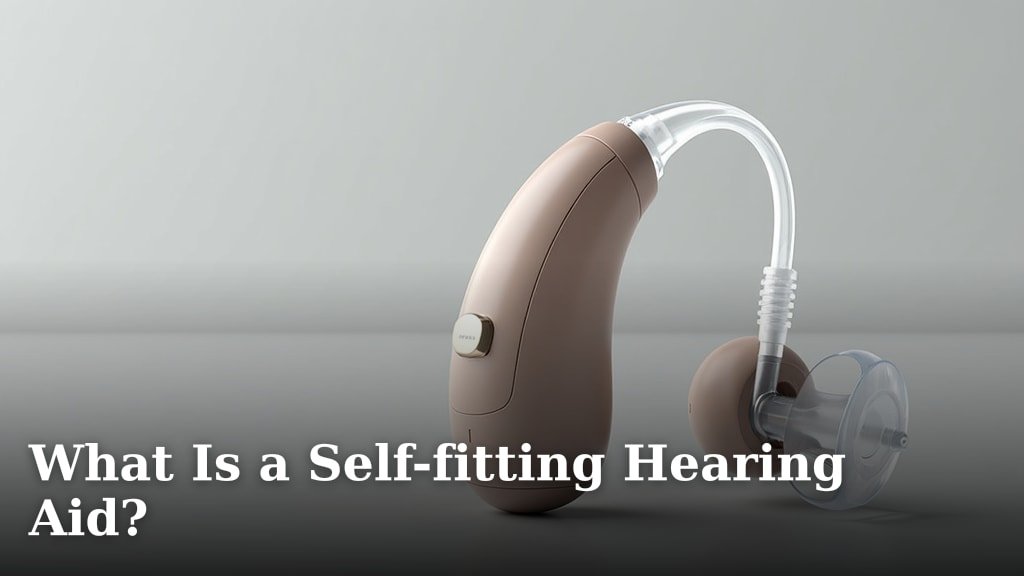
A self-fitting hearing aid is a type of over-the-counter (OTC) device you can set up yourself at home. These devices use built-in technology to customize sound settings for your unique hearing needs, often through a smartphone app.
You can fine-tune the settings of these hearing aids without needing a professional fitting appointment. They are designed for adults with perceived mild to moderate hearing loss. This brings a more accessible option to many people.
- Self-fitting hearing aids are OTC devices.
- You customize them at home, often with an app.
- They’re for mild to moderate hearing loss.
- No professional fitting is typically required.
- They offer a convenient, accessible solution.
Let’s walk through exactly how these devices work and what you should know.
Understanding Your Self-Fitting Hearing Aid
Self-fitting hearing aids are a relatively new development. They put the power of hearing customization right into your hands. Let’s look at what these devices are all about.
These devices are designed to be user-friendly. You get to manage your own hearing care journey. This can feel liberating for many people (National Institute on Deafness and Other Communication Disorders).
How Do These Devices Work?
You might wonder how a device can understand your hearing needs without a professional. It’s smart technology working for you!
Self-fitting hearing aids use special algorithms. These algorithms help them adjust sound settings. They respond to your feedback during the setup process.
The Setup Process: A Step-by-Step Look
Setting up your hearing aid is usually straightforward. Most manufacturers provide clear instructions. It often starts with an app on your smartphone.
- First, you’ll pair your hearing aids with your phone. This connects them wirelessly.
- Then, the app will guide you through a simple hearing check. It’s like a mini hearing test.
- You’ll listen to various sounds or tones. You’ll indicate what you hear.
- Based on your responses, the app creates a personalized sound profile. It learns what sounds you struggle with.
- After this, you can fine-tune settings yourself. You might adjust volume or tone.
You are in control of the sound experience. You can always make changes if your needs shift.
The Technology Behind the Customization
It’s all about clever programming. These devices use advanced digital processing. They adapt to your unique hearing loss pattern.
Many self-fitting aids use algorithms that mimic professional fitting procedures. They apply pre-programmed adjustments. These adjustments respond to your feedback during the setup (American Academy of Audiology).
Some models even adjust automatically throughout the day. They respond to your environment. This is called adaptive technology.
Who Can Benefit from Self-Fitting Hearing Aids?
These devices are not for everyone. They are designed for a specific group of people. Understanding if you’re a good candidate is important.
Typically, self-fitting hearing aids are for adults. You should be 18 years or older. You should have perceived mild to moderate hearing loss.
Understanding Mild to Moderate Hearing Loss
What does “mild to moderate” hearing loss mean? It means you have some difficulty hearing. But it’s not severe. You might struggle in specific situations.
- You often ask people to repeat themselves.
- You have trouble hearing in noisy places, like restaurants.
- You find it hard to hear soft speech.
- You turn up the TV or radio volume higher than others.
- You miss parts of conversations.
If these sound familiar, you might have mild to moderate hearing loss. A self-assessment can help you decide if these aids are right for you.
When Self-fitting Aids Might Not Be Right For You
Self-fitting hearing aids are a great option for many. But they are not a substitute for professional care for everyone. If you have severe hearing loss, they may not offer enough support.
If you have sudden hearing loss, pain, or fluid from your ears, see a doctor. These symptoms require medical attention. You may have an underlying condition.
Children should also see a hearing professional. Their hearing needs are different. They require specialized care.
Comparing Self-Fitting vs. Traditional Hearing Aids
You might be wondering about the differences. Let’s look at how they stack up. Both types help with hearing, but their approaches differ a lot.
| Feature | Self-Fitting Hearing Aids | Traditional Hearing Aids |
|---|---|---|
| Availability | Over-the-counter (OTC) | Prescription required |
| Fitting Process | Self-setup at home, often via app | Professional fitting by audiologist |
| Target Hearing Loss | Perceived mild to moderate | All levels, including severe/profound |
| Cost | Generally lower | Generally higher |
| Customization Control | User-driven adjustments | Professionally programmed |
| Professional Support | Limited or none | Ongoing professional care |
As you can see, self-fitting aids offer more control to you. Traditional aids offer more professional guidance.
Cost-Effectiveness and Accessibility
One of the biggest advantages of self-fitting aids is their cost. They are often much more affordable. This makes hearing care accessible to more people.
Traditional hearing aids can be very expensive. Insurance coverage varies widely. Self-fitting aids often have a clear, upfront price.
The OTC availability also means you don’t need appointments. You can purchase them when you’re ready. This saves time and travel expenses.
Tips for Choosing and Using Your Device
So, you’re considering a self-fitting hearing aid? That’s great! Here are some things to keep in mind as you make your choice and start using it.
Researching different models is a smart first step. Look for reputable brands. Read customer reviews. What’s working for others might work for you.
What to Look for Before Buying
When you’re shopping, keep these factors in mind. They can make a big difference in your experience.
- Return Policy: Can you return them if they don’t work out? A good return window is essential.
- Customer Support: Is there a helpline or online support? You might have questions during setup.
- App User-Friendliness: How easy is the app to navigate? A simple interface helps a lot.
- Battery Life: Do they use disposable batteries or rechargeable ones? Consider your preference.
- Comfort: While you can’t test this before buying, look for different ear tip sizes.
Taking your time to choose is an investment in your hearing. Think about what features are most important to you.
Getting the Most Out of Your Self-Fitting Aid
Once you have your device, give yourself time to adjust. Hearing aids take some getting used to. Your brain needs to relearn how to process sounds.
Start by wearing them in quiet environments. Then, gradually increase your wear time. Practice in different sound settings. Be patient with yourself.
Don’t be afraid to adjust the settings. That’s why they’re “self-fitting”! Experiment with different profiles. Find what sounds best for you. Your comfort and clarity are the priority.
When to Consider Professional Help
Even with self-fitting aids, sometimes a professional can offer more help. Knowing when to seek that help is an important part of your hearing health journey.
If you’ve tried different settings and still struggle, don’t hesitate to reach out. An audiologist can help determine if deeper issues are at play.
Signs You May Need a Hearing Professional
Here are some cues that it might be time to see an expert:
- Your hearing loss seems to be getting worse quickly.
- You frequently get ear pain or infections.
- The self-fitting aid simply doesn’t provide enough clarity.
- You have ringing in your ears that doesn’t go away (tinnitus).
- You only hear in one ear, or your hearing loss is uneven.
A hearing professional can conduct a full hearing evaluation. They can rule out any underlying medical conditions. They can also provide a deeper level of customization for your hearing needs.
Think of self-fitting aids as a great first step. For many, they are all that’s needed. For others, they can be a bridge to professional care. What’s most important is that you’re taking steps to improve your hearing and your quality of life.
Conclusion
Self-fitting hearing aids offer a remarkable path to clearer hearing for many. By understanding their simple setup and customization, you gain control over your hearing journey. They are an accessible and often cost-effective solution for treating mild to moderate hearing loss. Remember to assess your needs, watch for signs that might indicate a need for professional help, and choose a device that offers good support. Taking this step can significantly improve your daily interactions and overall quality of life.
Frequently Asked Questions
Do I need a prescription to buy a self-fitting hearing aid?
No, you do not need a prescription. These devices are classified as over-the-counter (OTC) hearing aids. This means you can purchase them directly from retailers without a medical evaluation or audiologist’s sign-off.
Are self-fitting hearing aids as good as traditional ones?
For individuals with mild to moderate hearing loss, self-fitting aids can be very effective. However, they are not designed for severe hearing loss, where traditional, professionally programmed devices are typically more suitable. The “best” option depends on your specific hearing needs and preferences.
How long does it take to get used to a self-fitting hearing aid?
Adjustment times vary for everyone, but it’s common to need several weeks to fully adapt. Start by wearing your aids in quiet environments for short periods. Gradually increase wear time and expose yourself to different soundscapes as your brain relearns to process sounds.
Can self-fitting hearing aids help with tinnitus?
While self-fitting hearing aids are not specifically designed to treat tinnitus (ringing in the ears), improving your ability to hear external sounds can sometimes make tinnitus less noticeable. Some devices may also offer features like sound therapy that can help mask tinnitus for some users.
What if a self-fitting hearing aid doesn’t work for me?
If you’ve tried adjusting your device and are still not satisfied, consider returning it within the manufacturer’s return policy. You should also consult with a hearing professional. They can conduct a comprehensive hearing test and recommend alternative solutions, including traditional hearing aids or other treatments for your specific condition.
