How to Measure Ear Canal Size for Domes?
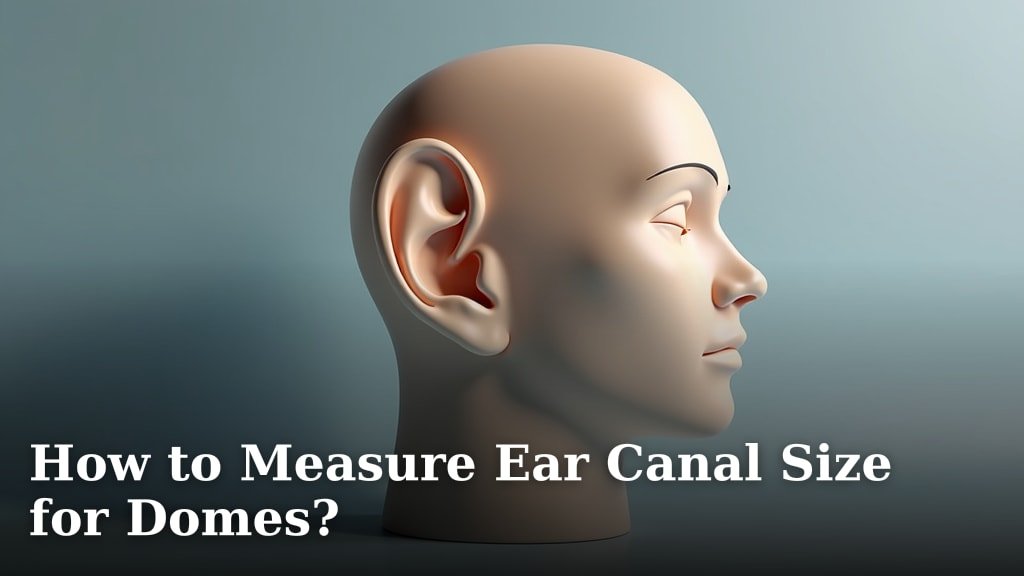
To accurately measure ear canal size for domes, you will typically rely on an audiologist or hearing care professional. They use specialized tools and their expertise to get the correct fit for your hearing aids. This ensures comfort and optimal sound.
Choosing the right dome size is very important for your hearing aid’s performance. A well-fitted dome prevents sound leakage and keeps your hearing aids secure. We found that a proper fit can greatly improve your overall hearing experience and prevent discomfort.
TL;DR:
- Professionals measure ear canal size.
- Correct dome size is key for hearing aid performance.
- Proper fit prevents sound leakage.
- Good fit means better sound and comfort.
- Avoid discomfort with the right dome.
Let’s walk through exactly how this process works and why it matters so much for your hearing health.
How Professionals Determine Your Ear Canal Dimensions for Hearing Aid Domes
You can’t really measure your own ear canal for domes at home. This is a job for a hearing health professional. They have the right tools and knowledge to get it just right.
Why Exact Measurement is So Important
Think of your hearing aid dome like a custom shoe. If it’s too big, it pinches and hurts. If it’s too small, it slips off. The same goes for your ear.
A properly sized dome is key for both comfort and how well your hearing aids work. We found that even a tiny difference can impact your hearing experience.
Comfort and Fit: More Than Just Feeling Good
An ill-fitting dome can cause soreness or even skin irritation in your ear canal. Nobody wants that, right? Your hearing aids should feel almost invisible once they’re in.
We’ve learned that many people stop wearing their hearing aids if they’re uncomfortable. Getting the right fit from the start helps you stick with your treatment plan.
Optimizing Sound Quality: Hearing Your Best
Ever hear a whistling sound from a hearing aid? That’s often a sign of a poor dome fit. This is called “feedback” and it means sound is leaking out.
A well-sealed dome keeps the sound directed into your ear canal. This gives you clearer, richer sound without annoying distractions. It truly makes a difference in what you hear.
The Audiologist’s Role in Measuring Ear Canal Size
Your audiologist is like a detective for your ears. They use several methods to find the perfect dome size for you. It’s not just guesswork.
They consider the shape, size, and even the curves of your ear canal. Every ear is unique, like a fingerprint!
Visual Inspection: A First Look
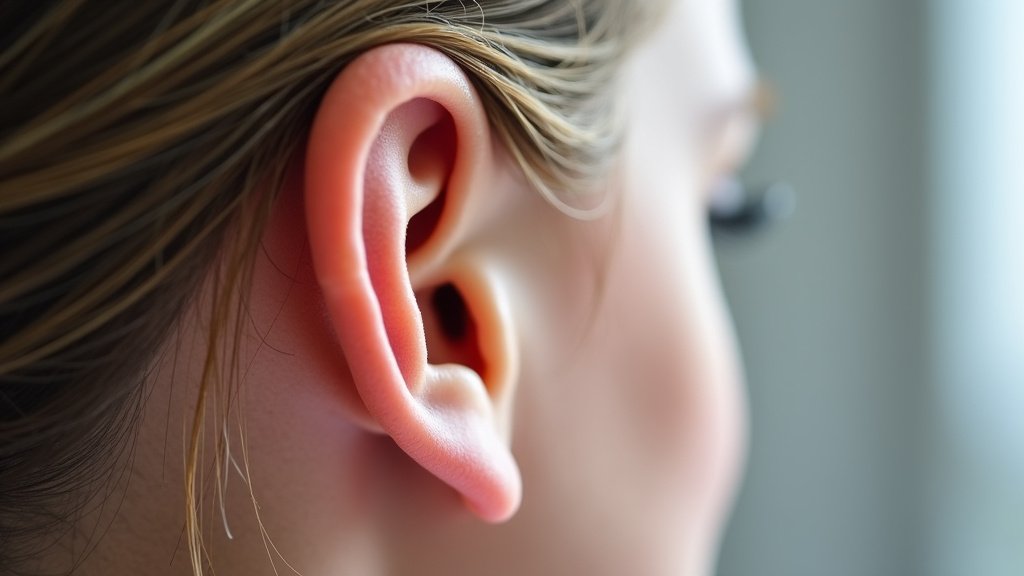
The first step is usually a visual check. Your audiologist will look into your ear canal using a special light called an otoscope.
This allows them to see the general size and shape of your canal. They can spot any blockages or unusual features right away.
Using Different Sized Domes: Trial and Error
Often, the audiologist will try a few different dome sizes directly in your ear. They have a range of sizes and styles on hand.
They’ll watch how each one sits in your ear. They’ll also ask you how it feels. Does it feel snug? Is it too tight? This feedback is very important.
Here’s a look at common dome types:
| Dome Type | Description | Best For |
|---|---|---|
| Open Domes | Smallest, perforated for air circulation. | Mild hearing loss, good natural low-frequency hearing. |
| Closed Domes | Solid, few or no vents. | Moderate hearing loss, more sound isolation. |
| Power Domes (Double Domes) | Two flanges, creates a tighter seal. | Severe hearing loss, maximum sound amplification. |
Taking Ear Impressions: For Custom Solutions
Sometimes, a standard dome just won’t cut it. Your audiologist might suggest a custom ear mold. This offers the best possible fit and seal.
They’ll inject a soft, putty-like material into your ear canal. It hardens quickly, creating a perfect replica of your ear’s unique contours.
This custom impression is then sent to a lab. There, a personalized dome or earmold is made just for you. This approach is often used for more severe hearing loss or unusual ear canal shapes.
What Happens if Your Dome Doesn’t Fit Properly?
Even with professional help, sometimes the fit isn’t perfect right away. It’s okay! Your ears can change, and so can your needs.
We found that people often need an adjustment or two. Don’t hesitate to reach out to your audiologist if something feels off.
Signs of an Ill-Fitting Dome
How do you know if your dome isn’t fitting well? Here are some clues:
- Discomfort or Pain: Your ear might feel sore, itchy, or just generally irritated.
- Whistling (Feedback): A high-pitched squealing sound indicates sound escaping.
- Hearing Aid Falling Out: If your hearing aid constantly slips, the dome might be too small.
- Muffled Sound: If the sound seems blocked, the dome might be too big or completely occluding your ear.
- Wet or Itchy Ears: Poor ventilation can lead to moisture build-up and irritation (Cleveland Clinic).
Your Action Checklist for a Better Fit
If you suspect an issue, here’s what you can do:
- Contact your audiologist right away.
- Describe your discomfort or hearing issues clearly.
- Don’t try to force a different size dome yourself.
- Ask about trying different dome styles or materials.
- Discuss if a custom ear mold might be a better option.
- Schedule a follow-up appointment for adjustments.
Maintaining Your Ear Canal Health and Dome Fit
Even with the perfect dome, your ear health plays a role in comfort. A clean ear canal is a happy ear canal.
Earwax buildup can change how your dome fits. It can also block the sound. Regular cleaning by a professional can prevent these issues. To keep your hearing aids performing optimally and prevent issues like earwax buildup, consider investing in the best hearing aid cleaning kit.
We’ve seen that consistent care helps maintain the best performance from your hearing aids.
Conclusion
Getting the correct dome fit is incredibly important for your hearing aid experience. We’ve seen how much it affects both comfort and sound quality. Your audiologist is your best partner in this process. They have the tools and expertise to ensure your domes are just right.
Don’t settle for discomfort or whistling sounds. Your hearing health journey is unique. So, be proactive in seeking professional help. A well-fitted dome means clearer hearing and a more comfortable life. Contact your hearing care professional today for an assessment.
Frequently Asked Questions
Can I just guess my ear canal size for hearing aid domes?
No, guessing your ear canal size is not recommended. You really need a professional to measure it accurately. An incorrect size can cause discomfort, poor sound, and even ear irritation. Trust your audiologist for this important step.
How often should I have my ear canal size re-evaluated for domes?
It’s a good idea to have your dome fit checked periodically, especially if you notice changes. Your ear canal can change shape over time due to aging or weight fluctuations. Ask your audiologist for guidance during your routine check-ups.
What’s the main difference between open, closed, and power domes?
The main difference lies in their design and the seal they create. Open domes allow more natural sound in and are for mild loss. Closed domes offer more sound isolation for moderate loss. Power domes create a tighter seal for maximum amplification, often for severe hearing loss.
Will a properly fitted dome eliminate all feedback (whistling)?
A properly fitted dome can significantly reduce or eliminate feedback. However, sometimes other factors can cause whistling. If you still experience feedback with a good fit, discuss it with your audiologist. They can check your hearing aid settings.
Can custom earmolds be made for any type of hearing loss?
Custom earmolds are suitable for various types and degrees of hearing loss. They are especially beneficial for moderate to severe loss. They offer the best seal and comfort compared to standard domes. Your audiologist will advise if custom earmolds are right for you.
