
How to Stop Hearing Aid Whistling?

The easiest way to stop hearing aid whistling is to check the fit of your hearing aid. Whistling often happens when sound leaks out of your ear canal and gets picked up by the hearing aid’s microphone. A simple adjustment can often resolve the feedback.
Many people experience this annoying sound, known as feedback, with their hearing aids. It can be caused by various factors, from improper placement to earwax buildup. Knowing the common causes can help you quickly address the issue and enjoy clear sound again.
- Check hearing aid fit: Ensure it’s snug in your ear.
- Clean your ears: Remove any excess earwax.
- Adjust volume: Sometimes the setting is too high.
- Inspect tubing/domes: Look for cracks or damage.
- Consult specialist: If issues persist, seek professional help.
We’ll walk you through the most common reasons your hearing aid might be whistling and simple steps you can take to make it stop.
Understanding Why Your Hearing Aid Whistles
That annoying whistling sound, also known as feedback, happens for a few key reasons. It’s essentially your hearing aid picking up its own amplified sound.
Think of it like a microphone too close to a speaker. The sound goes out, bounces back, and gets re-amplified, creating that high-pitched squeal. We’ll explore what makes this happen with your hearing aids.
Is It a Feedback Loop?
The most common culprit is a feedback loop. This occurs when amplified sound leaks out of your ear canal.
The microphone on your hearing aid then picks up this escaped sound. It re-amplifies it, and the cycle continues, creating that distinctive whistle.
Common Causes of Hearing Aid Whistling
Many factors can contribute to feedback. Pinpointing the exact cause helps you fix it quickly.
- Poor fit: Your hearing aid might not be sitting correctly in your ear.
- Earwax buildup: Excess earwax can block the ear canal, causing sound to bounce back.
- High volume settings: Sometimes, the volume is simply too loud for your ear.
- Damaged tubes or domes: Worn parts can create tiny gaps for sound to escape.
- Physical obstructions: Hats, scarves, or even your hand can cause whistling.
Quick Fixes for Hearing Aid Feedback
You can often resolve whistling issues yourself with a few simple adjustments. Don’t immediately assume something is broken.
Let’s walk through some of the easiest things you can try right now.
Check the Fit of Your Hearing Aid
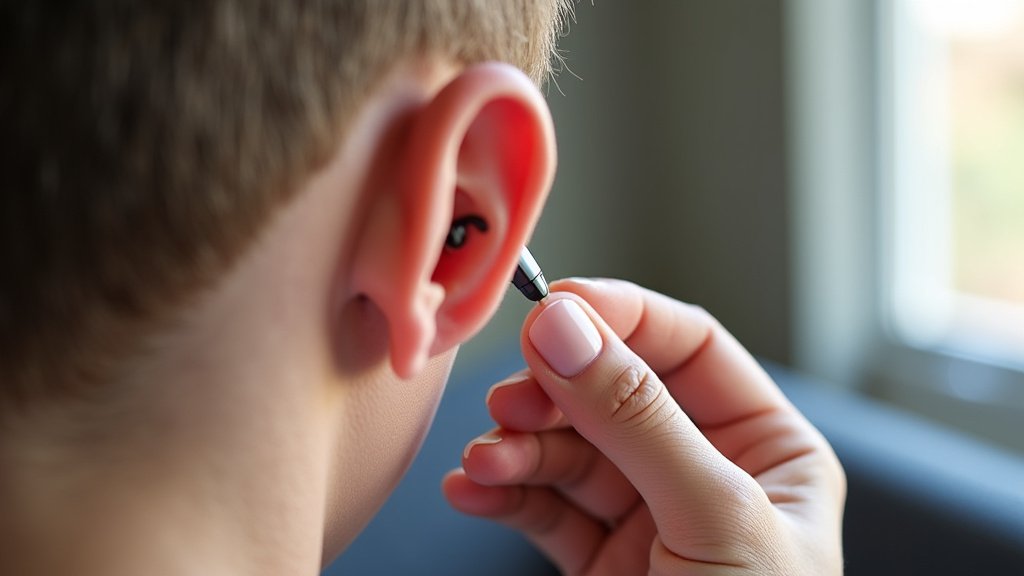
A secure fit is often the fastest remedy for feedback. Your hearing aid needs to create a good seal in your ear.
Gently reinsert your hearing aid. Make sure it feels snug and comfortable. There shouldn’t be any gaps where sound can escape.
Ensuring a Snug Fit
For behind-the-ear (BTE) models, check the earmold. Press it gently into your ear canal until it feels secure. For in-the-ear (ITE) models, twist it slightly until it seats properly.
If your BTE hearing aid has a thin tube, ensure the dome or earmold is correctly attached and deep enough in your ear. This is especially important for open-fit styles.
Clean Your Ears and Hearing Aid
Earwax is a major reason for feedback. It can block your ear canal or even clog the hearing aid’s sound output.
A clean ear canal allows sound to travel freely. This prevents sound from bouncing back toward the microphone.
Removing Earwax Safely
You can use a few drops of mineral oil or an over-the-counter earwax removal kit. Always follow the instructions carefully.
Never use cotton swabs to clean deep inside your ear. This can push earwax further in and make the problem worse (American Academy of Otolaryngology).
Also, clean the hearing aid itself. Check for earwax in the sound outlet or on the microphone port. Use the small brush or pick that came with your device.
Adjust the Volume Level
Is your hearing aid set too loud? Sometimes, the simplest solution is to reduce the volume. We found this is a common first step.
Turn the volume down slightly. If the whistling stops, you may have found your solution. You want comfortable listening, not maximum loudness.
Finding Your Optimal Volume
Start with a lower volume setting and gradually increase it until sounds are clear and comfortable. You shouldn’t need to blast the volume to hear well.
If you constantly need very high volume, it might indicate your hearing aid settings aren’t right for your hearing loss. That’s a good time to visit your audiologist.
Inspect for Damage or Wear
Over time, parts of your hearing aid can wear out. Small cracks or changes can create feedback.
Carefully examine the tubing, earmold, or dome. Look for any visible damage, cracks, or hardening.
Checking Tubing and Domes
For BTE hearing aids, the tubing can become stiff or cracked. This prevents a good seal. The dome (the small silicone tip) can also tear or become brittle.
If you see any issues, these parts are usually replaceable. Your audiologist can provide new ones, or you might have spares in your kit.
Other Factors Causing Feedback
Sometimes, the whistling isn’t just about fit or cleanliness. Other outside elements can play a role too.
Consider your environment and how you interact with your hearing aids.
Proximity to Objects
Placing your hand, a phone, or even a hat too close to your hearing aid’s microphone can cause feedback. The sound bounces off these objects and re-enters the microphone.
Try to keep items away from your ears when using your hearing aids. If you’re on the phone, experiment with holding the phone slightly differently.
Using Phones with Hearing Aids
Many modern hearing aids have features like telecoils or direct streaming to help when talking on the phone. Ask your audiologist if these features are right for you.
This can often reduce or eliminate feedback when holding a phone up to your ear.
Changing Ear Anatomy
Believe it or not, your ears can change. Weight loss or gain and natural aging can alter the shape of your ear canal.
This can affect how well your hearing aid fits over time. A previously perfect fit might start to develop gaps.
When to Revisit Your Audiologist for Fit
If you’ve tried all the DIY solutions and the whistling persists, it might be time for a professional re-evaluation. Your audiologist can check your ear and hearing aid fit.
They can also make adjustments to the programming of your hearing aid, which might include specific feedback suppression settings. Many experts recommend annual check-ups for this reason (Cleveland Clinic).
When to Seek Professional Help
If you’ve tried everything above and your hearing aid is still whistling, it’s time to call your audiologist. They have the tools and expertise to diagnose and fix more complex issues.
Don’t hesitate to reach out if you’re feeling frustrated. That’s what they’re there for.
What Your Audiologist Can Do
Your audiologist can perform a thorough examination of your ears and your hearing aids. They can assess everything from earwax blockages to internal damage.
They might also reshape or replace your earmolds or domes to ensure a perfect fit. Sometimes, a simple programming adjustment can eliminate feedback by fine-tuning the sound processing.
Here’s a quick checklist to help you troubleshoot:
- Is the hearing aid seated correctly in your ear?
- Are your ears clean and free of excessive wax?
- Is the volume set too high?
- Are the tubes or domes damaged or worn?
- Are you avoiding obstructions near the microphone?
| Problem | Common Cause | Solution to Try |
|---|---|---|
| Constant whistling after insertion | Poor fit, e.g., Gaps around the earmold | Re-seat the hearing aid firmly; consider new earmolds/domes from your audiologist. |
| Whistling when eating or talking | Jaw movement temporarily altering ear canal shape | Check fit, ensure earmolds are snug; audiologist can fine-tune settings. |
| Whistling only at high volumes | Excessive amplification, microphone picking up leaked sound | Reduce volume; have audiologist check programming for feedback suppression. |
| Intermittent whistling | Earwax buildup, damaged tubing, or external obstruction | Clean ears and hearing aid; inspect parts for damage; keep hands/objects away. |
Conclusion
Dealing with hearing aid whistling can be frustrating, but remember it’s a common issue with clear solutions. By understanding why your hearing aid whistles, you can take control.
Most often, a simple check of your hearing aid’s fit, a good cleaning, or a volume adjustment can resolve the problem quickly. Don’t let feedback stop you from enjoying clear hearing.
If these quick fixes don’t work, don’t hesitate to reach out to your audiologist. They are your best resource for expert advice, adjustments, or repairs to get you back to comfortable listening.
Frequently Asked Questions
Why does my hearing aid whistle when I put it in?
This usually happens because the hearing aid isn’t sealed properly in your ear. Sound leaks out and gets picked up by the microphone, creating feedback. Try reseating it firmly until it feels snug.
Can earwax cause my hearing aid to whistle?
Yes, absolutely! Earwax can block your ear canal, making sound bounce back towards the hearing aid’s microphone. Keeping your ears clean can often prevent this type of whistling.
Is it normal for my hearing aid to whistle if the volume is high?
Sometimes, yes. If the volume is set too high, the amplified sound can more easily leak out and cause feedback. Try turning the volume down slightly to see if the whistling stops.
How often should I check my hearing aid for damage that might cause whistling?
It’s a good idea to quickly inspect your hearing aid daily as part of your cleaning routine. Pay attention to the tubes and domes for any cracks or hardening, as these can easily cause whistling.
Should I try to fix a whistling hearing aid myself if it’s damaged?
For minor issues like a loose fit or visible earwax, yes! However, if you suspect internal damage or can’t identify the cause, it’s best to consult your audiologist. They have the right tools and expertise for professional repairs.
