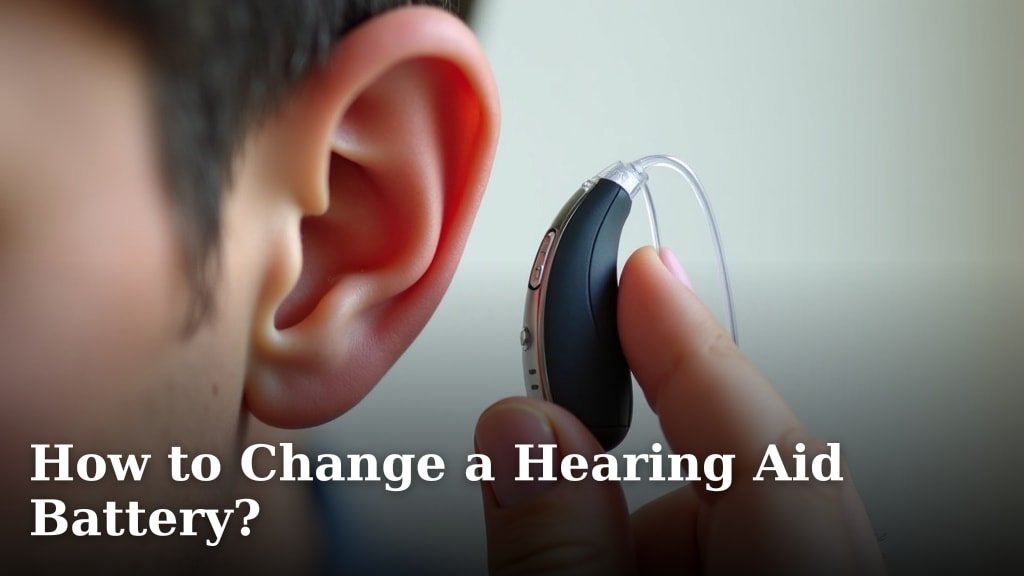
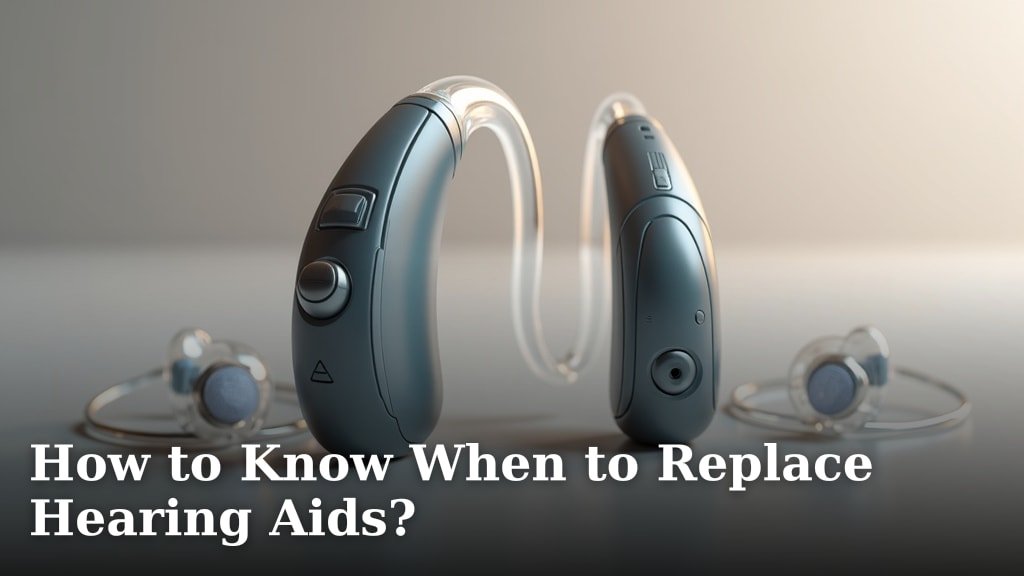
How to Open a Hearing Aid Battery Door with a Safety Lock
To open a hearing aid battery door with a safety lock, use the release point or tool shown in the device manual, then open the door gently. Don't pry or force it; a locked door and a jammed door need different steps.
On this page (6 sections)
- How do you open a locked hearing aid battery door?
- How can you tell a safety lock from a jammed door?
- What should you avoid when opening the battery compartment?
- How do you handle the battery after opening the door?
- Do rechargeable hearing aids use a safety-locked battery door?
- How to open a locked battery door on hearing aids safely
To open a hearing aid battery door with a safety lock, use the release point or tool described in the device manual and open it gently. Don't pry at the seam or force the door; an intentional lock and a jammed compartment call for different steps.
A safety lock is meant to limit access to the battery compartment. The exact release varies by hearing aid, so the model's instructions are the right guide.
How do you open a locked hearing aid battery door?
Find the model-specific lock release in the manual, release it as instructed, and swing the door open gently. Keep the hearing aid steady and work over a clear surface so a loose battery won't roll away.
If the manual calls for a small tool, use only the recommended tool and the marked release point. Don't insert anything into the hinge or force a gap wider.
Once the door opens, remove or replace the battery only as the instructions direct. Our guide to How to Change Hearing Aid Batteries (With Video Tips) explains the usual battery-change steps.
What if the locked door won't release?
Stop if the latch won't move with gentle pressure. Check the manual again for a lock position, button, or tool, and make sure you're pressing at the intended release point.
Don't twist the door, bend the hinge, or wedge a fingernail or tool into the seam. If the instructions aren't clear or the latch seems damaged, contact the hearing care professional who fitted or services the device.
How can you tell a safety lock from a jammed door?
A safety lock has a deliberate release method in the device instructions; a jammed door doesn't open as expected despite the correct method. Resistance alone doesn't show which one you're dealing with.
Look for a lock symbol, a switch, or a release point shown in the manual. Then inspect the outside of the door for visible debris or damage, without digging into the compartment.
A door may be stuck because of debris, corrosion, a damaged latch, or a battery sitting incorrectly. Don't assume the device has a safety lock unless its instructions say so.
For a door that seems stuck rather than locked, see Stuck Hearing Aid Battery Door? 5 Easy Fixes to Try.
That guide covers basic checks while keeping force and sharp tools out of the process.
What should you avoid when opening the battery compartment?
Avoid prying, sharp objects, and liquids around the compartment. These can damage the case or latch, or make a small problem harder to resolve.
- Don't use a knife, pin, screwdriver, or tweezers to pry at the door.
- Don't pull against the hinge or twist the battery door sideways.
- Don't pour cleaner or water into the compartment.
- Don't keep trying if the door flexes, cracks, or appears misaligned.
If a battery is trapped, don't poke at it. Ask a hearing care professional to inspect the device.
How do you handle the battery after opening the door?
Follow the hearing aid's battery instructions and confirm the battery size before inserting a replacement. Battery packaging can be easier to open than the hearing aid compartment, but the two tasks are separate.
If the battery is new, our instructions for how to open hearing aid batteries cover removing one from its packaging. For the insertion and replacement steps, see How to Change a Hearing Aid Battery?.
Keep loose batteries away from children and pets. If you think someone may have swallowed a battery, seek urgent medical help.
Do rechargeable hearing aids use a safety-locked battery door?
Some rechargeable hearing aids may not have a user-accessible disposable battery door, but designs differ by model. If a Phonak rechargeable aid won't charge, see Phonak charging troubleshooting.
Check the manual before opening any panel or cover.
A charging port or removable cover can look like a battery door without serving the same purpose. See Do Rechargeable Hearing Aids Need Battery Doors? for the distinctions.
How to open a locked battery door on hearing aids safely
When opening a locked battery door on hearing aids, follow the model's release instructions and stop if the door resists. Use only an approved tool at the intended point, and ask a hearing care professional if the lock or latch is unclear.
Choose the battery replacement that matches your hearing aid's required size. If the door remains stuck after you confirm the release method, use the stuck battery door troubleshooting guide instead of applying more force.
Frequently asked questions
How do I open a hearing aid battery door with a safety lock?
Check the hearing aid manual for the lock's release point or required tool. Use that method with gentle pressure, then swing the door open without twisting it.
If the door won't move or the release isn't clear, stop and contact the hearing care professional who fitted or services the device.
How can I tell if the battery door is locked or stuck?
A safety lock is an intentional feature described in the manual, often with a specific release action. A stuck door may have debris, corrosion, damage, or a battery caught in it.
Don't assume resistance means there is a lock; inspect the door and follow the device instructions before trying again.
Can I use a pin or knife to open a hearing aid battery door?
No. A pin, knife, or other sharp tool can scratch the case, damage the latch, or slip into the battery compartment.
Use only a tool and release method approved in the hearing aid instructions.
If the door won't release gently, ask a hearing care professional for help.
Do rechargeable hearing aids have battery doors?
Many rechargeable hearing aids use a charging system instead of a user-accessible disposable battery door, but designs vary by model. Check your manual before trying to open any panel.
See whether rechargeable hearing aids need battery doors for more on the difference.