Do Rechargeable Hearing Aids Need Battery Doors?
On this page (7 sections)
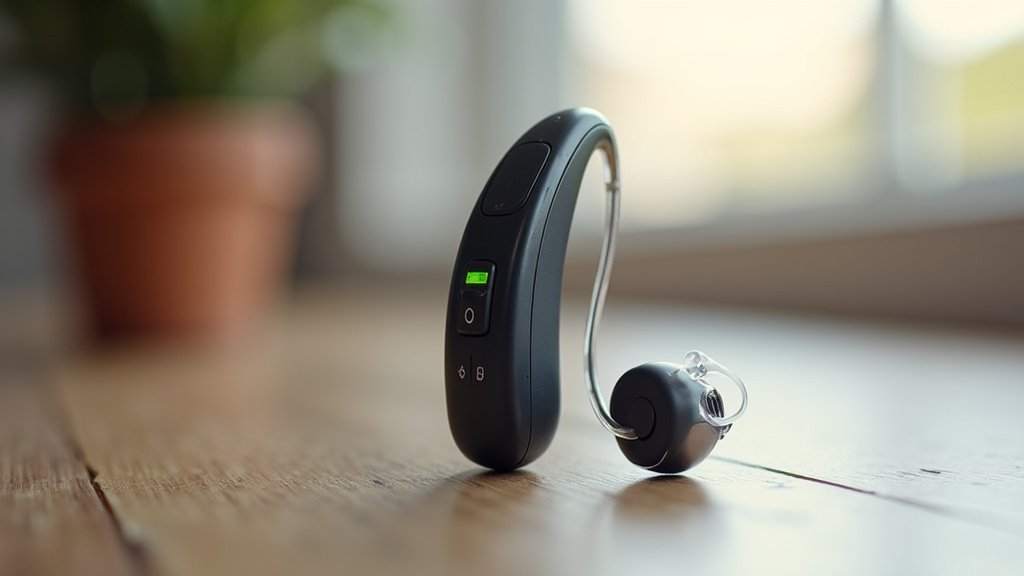
No, rechargeable hearing aids do not need battery doors in the same way traditional hearing aids do. They feature sealed units. This design protects the internal rechargeable battery. It also offers greater durability and water resistance.
You won’t be replacing tiny disposable batteries anymore. This means no fiddly battery changes. The sealed design is a key feature of modern rechargeable technology. It helps keep dust and moisture out, too.
- Rechargeable hearing aids don’t have battery doors.
- They have sealed designs.
- This protects the internal battery.
- It also improves durability.
- You charge them like a phone.
Let’s dive into why this design choice is so beneficial for you and your hearing health.
Why Rechargeable Hearing Aids Skip the Battery Door
Rechargeable hearing aids are different. They don’t have battery doors. This design choice is on purpose. It offers you some real benefits.
You might be wondering, “Why the change?” It comes down to technology. Modern rechargeable hearing aids use sealed units. This keeps everything inside safe.
Think of your smartphone. Does it have a battery door? No, it’s a sealed unit. Rechargeable hearing aids follow this same idea.
The Advantages of a Sealed Design
A sealed design means several good things for you. It’s not just about looking sleek. It’s about how your hearing aids perform and last.
First, it protects the internal battery. This battery is designed to last years. Keeping it sealed away helps it do its job better and longer.
Second, it keeps out dust and moisture. These are big enemies of electronics. Hearing aids are tiny computers for your ears. They need protection.
Third, it makes them more durable. Fewer moving parts means less can break. No hinge to snap, no latch to fail.
Improved Water Resistance
One huge benefit of no battery door is better water resistance. Water and hearing aids usually don’t mix. But sealed designs change this.
Traditional hearing aids have openings. A battery door is one of them. These openings can let water in. Even sweat can cause problems (American Academy of Audiology).
Rechargeable models often have higher IP ratings. This means they are more resistant to splashes and sweat. Some can even survive a quick dip.
This added protection gives you peace of mind. You can wear them during light rain or while exercising without as much worry.
Enhanced Durability and Reliability
Think about mechanical parts. Any part that moves can eventually wear out. A battery door has hinges and latches. If yours sticks, see our guide to stuck battery door fixes. These are weak points over time.
Without a battery door, your hearing aid is more robust. It’s a solid block of technology. This makes it less prone to damage from drops or bumps.
We found that many people appreciate this added toughness. Hearing aids are an investment. You want them to last.
Fewer potential failure points also mean more reliable performance. You want your hearing aids to work every day, without fuss.
Protection from Dust and Debris
Your ears are dusty places. Earwax, skin cells, and environmental dust are always present. These tiny particles can harm sensitive electronics.
A sealed design helps create a barrier. It keeps out these microscopic invaders. This protects the delicate circuits inside your hearing aid.
Dust and debris can clog microphones or speakers. They can also interfere with connections. A sealed unit reduces these risks greatly.
Comparing Rechargeable to Disposable Battery Models
Let’s look at the two main types. Rechargeable and disposable battery hearing aids both have their place. But their designs are quite different.
Disposable battery models need you to open a tiny door. You then pop in a new battery. This can be tricky for some people.
Rechargeable models simply sit in a charger. No doors, no fiddling. Just convenience.
| Feature | Rechargeable Hearing Aids | Disposable Battery Hearing Aids |
|---|---|---|
| Battery Door | No (Sealed Unit) | Yes |
| Battery Changes | None (Charge nightly) | Frequent (Every few days to weeks) |
| Water Resistance | Generally higher | Generally lower |
| Maintenance | Charging, cleaning | Battery changes, cleaning |
| Ease of Use | Very easy, no small parts | Can be challenging for some |
The Convenience Factor for You
Imagine never buying hearing aid batteries again. Or fumbling with tiny batteries in a restaurant. This is the rechargeable difference.
For many, the sheer convenience is a game-changer. You simply place them in their charging case at night. By morning, they’re ready to go.
This is especially helpful for people with dexterity issues. Small batteries and tiny doors can be a real challenge. You deserve ease of use.
Environmental Impact Considerations
Disposable batteries create waste. Over time, these tiny batteries add up. They end up in landfills, which isn’t great for our planet.
Rechargeable batteries reduce this waste dramatically. One rechargeable battery can replace hundreds of disposables over its lifespan.
We found that many users appreciate this greener aspect. It’s a small way to make a positive impact on the environment.
Daily Life with Rechargeable Hearing Aids
What’s it like to live with them? It’s often very simple. You build a routine, much like charging your phone every night.
You’ll put them in their charger before bed. This ensures they’re fully powered for your next day. No more sudden battery deaths in the middle of a conversation.
Most charges last a full day. Some even offer extra power in the charging case. This is great for travel or longer days out.
Charging Routines and Best Practices
To get the most out of your rechargeable hearing aids, follow some simple steps:
- Charge them every night.
- Keep the charging case clean.
- Avoid extreme temperatures during charging.
- Ensure they are fully seated in the charger.
- Check the indicator lights to confirm charging.
Treat your charger like another essential item. Keep it in a consistent spot. This helps you remember to charge your devices.
Potential Downsides and Considerations
While rechargeable hearing aids offer many benefits, there are a few things to keep in mind. We want you to be fully informed.
First, if you forget to charge them, they won’t work. This is like forgetting to charge your phone. A fully charged device is key.
Second, the internal battery will eventually wear out. Most last several years. You’ll then need a professional to replace it, or a new device.
Third, if you’re in a remote area without power, charging can be an issue. Some portable chargers can help here, but it’s something to plan for.
Making the Right Choice for Your Lifestyle
Are rechargeable hearing aids right for you? Consider your daily habits. Do you prefer convenience? Are you comfortable with a nightly charging routine?
If you value ease of use, durability, and don’t want to deal with tiny batteries, rechargeables are an excellent option. They really streamline the experience.
Many experts say the benefits outweigh the minor downsides for most people. The technology has come a long way (Journal of the American Academy of Audiology).
Conclusion
You now know that rechargeable hearing aids do not need battery doors. Their sealed design offers many benefits. You get improved durability and better water resistance. You also benefit from protection against dust and debris. This design choice makes your hearing aids more reliable.
This means easier daily routines and less hassle. No more tiny batteries to change. It’s a convenient and environmentally friendly choice for many. When considering new hearing aids, think about how these features align with your lifestyle. We recommend discussing these options with your audiologist to find your perfect fit.
Frequently Asked Questions
What if I forget to charge my rechargeable hearing aids?
If you forget to charge them, your hearing aids will not work once the battery is depleted. It’s similar to forgetting to charge your phone. Establishing a nightly charging routine is important for consistent use.
Can I replace the internal battery in my rechargeable hearing aids myself?
No, you cannot replace the internal battery yourself. These batteries are sealed within the unit. If the battery needs replacement after several years, a hearing care professional must do it. This ensures the integrity of the sealed design.
Do rechargeable hearing aids last as long as those with disposable batteries?
Yes, rechargeable hearing aids are designed for comparable lifespans. The internal battery is built to last several years. The sealed design often contributes to greater durability and reliability over time, protecting internal components.
Are all rechargeable hearing aids water-resistant?
Most rechargeable hearing aids offer improved water resistance due to their sealed design. However, the exact level of protection varies by model. Look for the IP rating, as higher numbers indicate better resistance to water and dust.
Is it possible to use rechargeable hearing aids if I travel to areas without electricity?
It can be challenging if you’re in areas without consistent power access. Some rechargeable models offer portable charging cases with built-in power banks. This allows you to charge your hearing aids multiple times without an outlet. Plan ahead for longer trips.