How Long Does a Rechargeable Hearing Aid Battery Last?
On this page (7 sections)
Generally, a rechargeable hearing aid battery will last 24 to 30 hours on a single charge. We found that most modern rechargeable hearing aids use lithium-ion batteries. These batteries typically maintain their performance for about four to five years before needing replacement; the hearing aid lifespan is a separate factor.
You’re probably wondering how long you can expect your hearing aid to keep up with your day. We know that battery life depends on several factors, like how often you stream audio or use wireless features. Keeping your hearing aids charged is key to consistent performance and a great listening experience.
- Rechargeable hearing aid batteries last 24-30 hours per charge.
- Most use lithium-ion batteries.
- They perform well for 4-5 years.
- Battery life varies with streaming and wireless use.
- Proper charging ensures consistent performance.
Let’s dive into all the details about how long your rechargeable hearing aid batteries will last, and what you can do to make them last even longer.
Typical Lifespan of Rechargeable Hearing Aid Batteries
Modern rechargeable hearing aid batteries generally offer 24 to 30 hours of use on a single charge. This can vary based on your daily usage habits and the specific features you engage.
Most rechargeable hearing aids today use lithium-ion batteries. These are similar to what you find in your smartphone. We found that these batteries are designed to perform well for about four to five years before their capacity starts to noticeably diminish. After this period, you might notice your hearing aids don’t hold a charge as long as they used to.
Factors Influencing Your Hearing Aid’s Battery Life
Have you ever wondered why your friend’s hearing aids last longer than yours? It’s not just magic! Several factors play a big role in how long your rechargeable batteries last each day. Understanding these can help you get the most out of every charge.
Streaming Audio and Wireless Connectivity
This is often the biggest power drain. If you love streaming music, podcasts, or phone calls directly to your hearing aids, you’ll see a quicker battery drain. Wireless connectivity, like Bluetooth, uses more power than just basic amplification. Think of it like running GPS on your phone – it uses more battery than just making a call.
We found that constant audio streaming can reduce your daily battery life by several hours. For example, some manufacturers suggest that heavy streaming can drop a 30-hour battery to around 18-20 hours. It’s a trade-off for convenience, right?
Hearing Aid Features and Settings
Modern hearing aids come packed with smart features. Things like noise reduction, directional microphones, and advanced sound processing all require energy. The more complex the sound environment your hearing aids are trying to adapt to, the harder they work. Higher amplification levels also consume more power.
If you have your hearing aids set to a very high volume all day, or if you’re in constantly changing, noisy environments, the battery will work harder. This means it will deplete faster. It’s like driving a car uphill – it uses more fuel.
Battery Age and Health
Just like any rechargeable battery, lithium-ion batteries degrade over time. After about four to five years, you’ll likely notice a decrease in how long they hold a charge. This is normal battery aging. It doesn’t mean your hearing aids are broken, just that the battery is getting tired.
We’ve learned that consistent, proper charging can help prolong the overall lifespan of the battery. However, eventually, all batteries reach a point where they can no longer hold their original capacity. This is why hearing aid manufacturers often design batteries to be replaceable by a professional.
Environmental Conditions
Did you know temperature can affect your battery? Extreme heat or cold can impact battery performance and longevity. Very cold temperatures can temporarily reduce battery life, making it seem like your hearing aids die faster. High heat can actually cause long-term damage and shorten the battery’s overall lifespan.
Keeping your hearing aids in moderate temperatures is always a good idea. Avoid leaving them in a hot car or storing them in a freezing garage overnight. Treat them gently, and they’ll serve you better.
Maximizing Your Rechargeable Hearing Aid Battery Life Daily
Want to squeeze every last minute out of your hearing aid charge? We’ve got some practical tips. A few small changes can make a big difference in your daily battery performance.
Charging Best Practices
Proper charging is key to a long and happy battery life. Think of it as giving your batteries a good night’s sleep!
- Charge every night: Make it a habit. Place your hearing aids in their charger before you go to bed. This ensures they’re ready for a full day.
- Use the correct charger: Always use the charger supplied by the manufacturer. Generic chargers might not provide the right voltage, which can harm the battery.
- Avoid overcharging myths: Modern lithium-ion batteries have smart charging circuits. You can leave them in the charger overnight without damage. They won’t “overcharge.”
- Keep contacts clean: Ensure the charging contacts on both your hearing aids and the charger are clean. A small wipe with a dry cloth can prevent poor connections.
Adjusting Your Usage Habits
Your daily routine can heavily influence how long your battery lasts. A few tweaks can extend that crucial listening time.
- Manage streaming: If you’re running low, try to reduce audio streaming. Listen to music on your phone speakers or take calls directly.
- Turn off when not in use: Planning a quiet nap? Take your hearing aids out and turn them off. Every hour they’re off is an hour of saved battery life.
- Limit wireless features: If your hearing aids have extra wireless accessories (like remote microphones), use them only when truly needed.
- Optimize settings: Talk to your audiologist about optimizing your hearing aid settings. Sometimes, slight adjustments can reduce power consumption without impacting your hearing quality too much.
When to Consider Battery Replacement
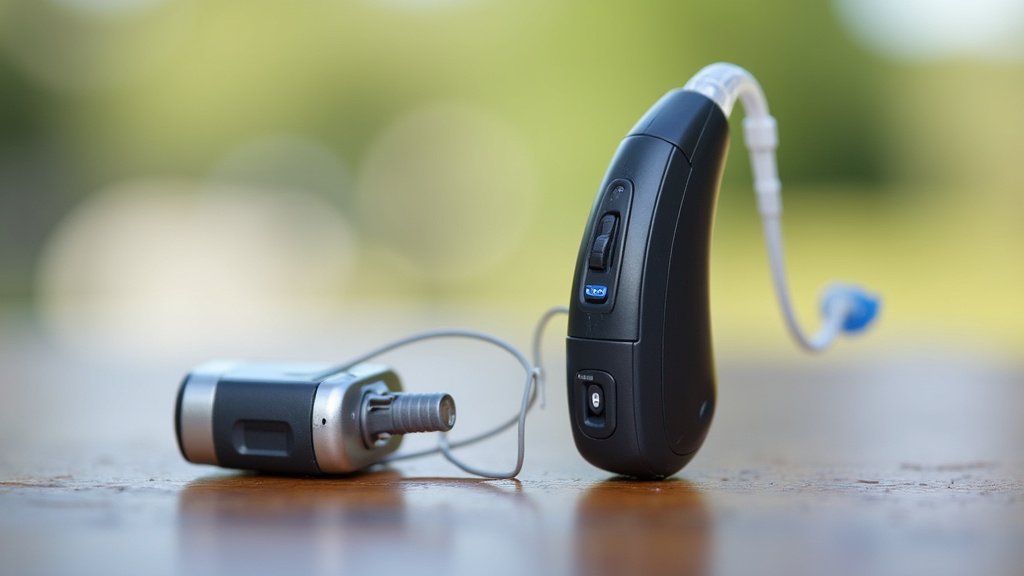
Eventually, even the best rechargeable battery will reach the end of its useful life. But how do you know it’s time? It’s usually pretty clear.
If you find your hearing aids are consistently dying before the end of your day, even with moderate use, that’s a big sign. Or, if they used to last 24 hours and now only give you 10, it’s time to investigate. Most manufacturers suggest a battery replacement every four to five years. This is typically done by a hearing care professional, as the batteries are often integrated into the device.
| Scenario | Impact on Battery Life (Daily) | Battery Longevity (Overall) |
|---|---|---|
| Heavy Streaming (8+ hours/day) | Reduced (e.g., 18-22 hours) | Slightly reduced due to more charge cycles |
| Moderate Streaming (2-4 hours/day) | Typical (e.g., 24-28 hours) | Expected 4-5 years |
| Minimal Streaming (less than 1 hour/day) | Maximized (e.g., 28-30+ hours) | Potentially slightly longer than average |
| Extreme Temperatures (Hot/Cold) | Reduced (daily performance) | Can shorten overall lifespan |
| Improper Charging Habits | No immediate daily impact | Can significantly shorten overall lifespan |
Checklist for Optimal Battery Performance
Here’s a quick checklist to help you ensure your rechargeable hearing aid batteries are performing their best every day:
- Charge your hearing aids fully every single night.
- Use only the manufacturer-provided charger.
- Clean charging contacts regularly with a dry cloth.
- Turn off hearing aids when not in use for extended periods.
- Limit unnecessary audio streaming and wireless accessory use.
- Store hearing aids in a cool, dry place away from extreme temperatures.
Conclusion
Getting the most from your rechargeable hearing aids means understanding how they work. You’ve learned that most last 24-30 hours per charge and perform well for four to five years. Factors like streaming and environmental conditions play a big role in daily battery life. By following simple charging habits and adjusting your usage, you can significantly extend both daily performance and the overall lifespan of your batteries. Keep them charged, treat them well, and they’ll keep you connected to your world.
Frequently Asked Questions
Is it bad to leave rechargeable hearing aids on the charger all the time?
No, it’s perfectly fine to leave modern rechargeable hearing aids on their charger overnight or even longer. They use smart lithium-ion battery technology that prevents overcharging. The charger simply maintains a full charge without harming the battery.
Can I replace the rechargeable battery in my hearing aids myself?
For most modern rechargeable hearing aids, the battery is integrated into the device and is not user-replaceable. We found that replacement typically requires a hearing care professional. They have the tools and expertise to safely change the battery when it reaches the end of its life.
How can I tell if my rechargeable hearing aid battery is failing?
You’ll likely notice a significant drop in daily usage time. If your hearing aids used to last a full day but now die after only a few hours, even with light use, it’s a strong indicator. Inconsistent performance or needing to charge multiple times a day are also signs.
Do all rechargeable hearing aids use the same type of battery?
Most modern rechargeable hearing aids use lithium-ion batteries due to their efficiency and lifespan. However, there can be variations in size and specific chemistry between manufacturers. Always refer to your hearing aid’s manual for precise battery information.
What’s the best way to store my rechargeable hearing aids if I won’t use them for a while?
If you plan not to use your hearing aids for several days or weeks, charge them to about 50% and then turn them off. Store them in their case in a cool, dry place. Avoid storing them fully charged or completely depleted for long periods, as this can affect battery health.