Can You Use Rechargeable Batteries in Any Hearing Aid?
On this page (7 sections)
Yes, you can often use rechargeable batteries in many hearing aids, but it’s not a simple “one size fits all” situation. Some hearing aids are designed to work specifically with rechargeable battery technology, while others may require disposable batteries.
The shift towards rechargeable hearing aids is growing, offering convenience and reducing waste. However, it’s important to understand that compatibility is key. Not all hearing aids can switch between battery types without modification or specialized accessories.
- Most modern hearing aids use either disposable zinc-air batteries or built-in rechargeable batteries.
- Rechargeable hearing aids are becoming more popular for their convenience.
- Older hearing aid models might not be designed for rechargeable batteries.
- Always check your hearing aid’s manual or consult your audiologist for battery compatibility.
So, let’s get to the bottom of whether your specific hearing aid can make the jump to rechargeable power and what you need to know.
Understanding Hearing Aid Battery Options
So, you’re wondering if your hearing aids can switch to rechargeable batteries. It’s a great question that many people ask! The simple answer is: sometimes yes, sometimes no. Not all hearing aids are built the same. Some are designed from the start to use rechargeable batteries, while others are made only for disposable ones.
Think of it like a smartphone versus an older flip phone. Your flip phone has a battery you can replace. Your smartphone has one built-in that you recharge. Hearing aids are starting to follow a similar path. We’ll help you figure out which camp your hearing aids might be in.
Disposable vs. Rechargeable: What’s the Difference?
The most common type of disposable hearing aid battery is the zinc-air battery. You’ve probably seen them – tiny, button-like, and come in different sizes, usually marked with a color code. They get their power from air. You peel off a little tab, and air activates them. Once they’re dead, you toss them and pop in a new one. Easy peasy, right?
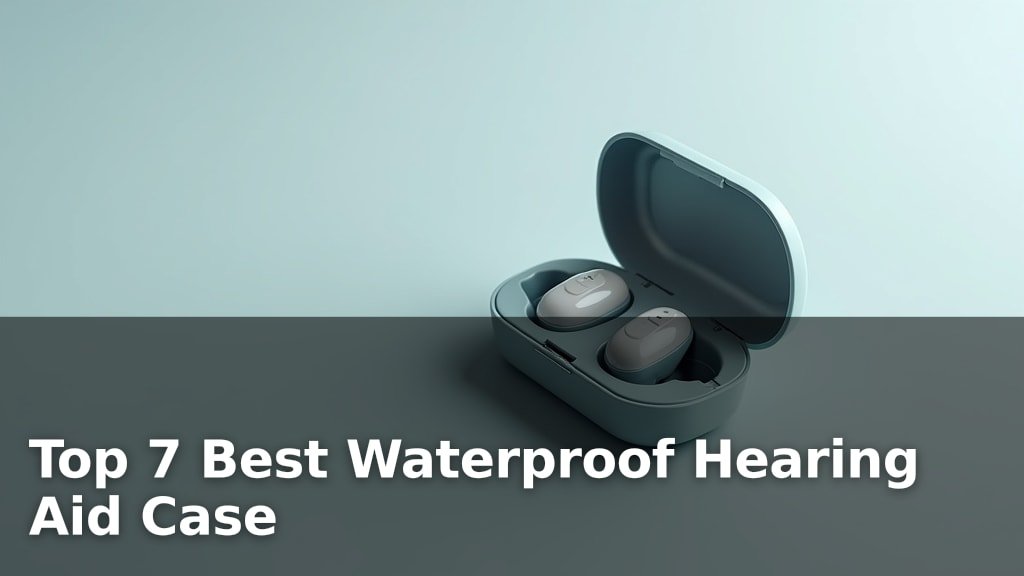
Rechargeable hearing aids are different. They have a built-in battery, much like your phone. When the battery gets low, you place the hearing aids in a special charging case. This case, or a charging stand, powers them up so they’re ready for the next day. No more fumbling with tiny batteries! Rechargeable hearing aids often come with a charging case for convenient power-ups.
The Appeal of Rechargeable Batteries
Why are rechargeable hearing aids gaining popularity? Well, think about the convenience! You charge them overnight, and they’re good to go all day. This means no more running out of battery power at an inconvenient moment. Plus, you’re not constantly buying and disposing of tiny batteries. This is better for the environment and, in the long run, can be more cost-effective.
The “Fumble Factor” and Disposable Batteries
On the flip side, some people prefer disposable batteries. For those with dexterity issues, like arthritis or shaky hands, changing a tiny battery can be a real challenge. Disposable batteries mean you don’t have to worry about that daily. You just swap them out. Many find this simpler than docking their aids in a charger.
Can Your Current Hearing Aids Go Rechargeable?
This is the million-dollar question, isn’t it? Can you simply buy rechargeable batteries and pop them into your existing hearing aids? Generally, the answer is no, not directly.
Hearing aids designed for rechargeable batteries have specific internal components. They include a lithium-ion battery and charging contacts. These are not something you can easily add to a hearing aid made for disposable batteries. It’s not like swapping out a lightbulb. The entire internal design needs to accommodate the rechargeable technology.
Hearing Aids Designed for Rechargeability
Many hearing aid manufacturers now offer rechargeable models. These come with a charging case. You simply place your hearing aids in the case overnight. Some advanced charging cases even offer a boost of power if you’re in a hurry. You’ll find these in various styles, from behind-the-ear to in-the-ear models.
When you buy a new hearing aid, ask your audiologist about rechargeable options. They can show you the latest models and explain how the charging system works. It’s a much simpler process than trying to retrofit older technology.
What About Older Hearing Aid Models?
If you have an older set of hearing aids, they were likely made before rechargeable technology became mainstream for hearing devices. These models almost certainly use disposable zinc-air batteries. They don’t have the necessary internal wiring or charging components to work with rechargeable batteries.
Attempting to modify older hearing aids to accept rechargeable batteries is generally not possible or advisable. It would likely damage the device and void any warranty. Plus, the battery technology for hearing aids has advanced significantly, and older systems might not be compatible even if you could physically make them fit.
Special Cases and Potential Workarounds
While you generally can’t swap battery types within the same hearing aid unit, there are a couple of related scenarios to consider. These aren’t direct battery swaps but might be what some people are thinking of when they ask this question.
External Battery Packs for Travel
Some hearing aid manufacturers offer external battery packs. These are portable power banks specifically designed for their hearing aids. They can recharge your hearing aids multiple times on the go, without needing a wall outlet. This is great for travel or long days out. It’s not using a rechargeable battery in the hearing aid itself, but it’s a way to keep them powered without disposables.
“Rechargeable” Disposable Battery Alternatives (Rare)
You might occasionally see products marketed as “rechargeable hearing aid batteries” that look like disposable batteries. Be very cautious here. Research and reliable sources suggest these are uncommon and often not recommended by audiologists. They might not deliver consistent power or could even damage your hearing aids. Stick to the battery types recommended by your hearing aid manufacturer (CDC).
What if My Hearing Aid Uses a Different Battery Type?
Some very specific or older assistive listening devices might use different types of batteries, like button cells or even AA/AAA in some niche cases. However, for standard modern hearing aids, it’s almost always either the disposable zinc-air or a built-in rechargeable lithium-ion battery. Your audiologist is the best person to confirm the exact battery type your device uses.
Making the Switch to Rechargeable: What to Consider
If you’re considering upgrading to hearing aids with rechargeable batteries, it’s a fantastic idea for many people! Here’s a quick rundown of what to think about:
- Your Lifestyle: Do you travel often? Are you away from power outlets for long periods?
- Dexterity: Do you have trouble handling small objects like disposable batteries?
- Budget: While the upfront cost might be higher, rechargeable aids can save money over time.
- Environmental Impact: Reducing battery waste is a big plus.
- Technology: Newer models often come with advanced features alongside rechargeability.
Ultimately, the decision depends on your personal needs and preferences. Talk openly with your audiologist about your daily routine and what you’re looking for in a hearing aid.
Consulting Your Audiologist is Key
The most reliable way to know what battery your hearing aids use and what your options are is to consult your audiologist. They have your hearing aid’s specific model information and can tell you definitively if it’s designed for rechargeable batteries or if you need to stick with disposables. They can also recommend new models if you’re interested in switching to a rechargeable system.
Don’t guess when it comes to your hearing health. Your audiologist is your best resource. They can guide you through all the battery options available and ensure your hearing aids are always powered up and ready to help you hear the world around you.
A Quick Checklist for Battery Compatibility
Before you assume your hearing aids can use rechargeable batteries, run through this quick checklist:
- Check your hearing aid’s manual for battery type.
- Look for charging contacts on the hearing aid or its case.
- See if your current hearing aids came with a charger.
- Ask your audiologist about your specific model’s battery type.
- If your hearing aids are older, they likely only take disposables.
- Newer models are more likely to offer a rechargeable option.
Conclusion
So, can you use rechargeable batteries in any hearing aid? The short answer is usually no, not directly. Most modern hearing aids are either designed for disposable zinc-air batteries or have built-in rechargeable hearing aid batteries. You can’t simply swap battery types within the same device. If you’re looking for the convenience of rechargeables, it often means upgrading to a newer hearing aid model. Always check your device’s manual and, most importantly, consult your audiologist to understand your specific hearing aid’s capabilities and explore your options.
Frequently Asked Questions
What if my current hearing aids are not rechargeable?
If your current hearing aids only use disposable batteries, you generally cannot convert them to be rechargeable. They lack the necessary internal components and charging circuitry. Your best option is to speak with your audiologist about purchasing a new hearing aid model designed with rechargeable technology.
Can I buy “rechargeable” batteries that look like disposable ones?
Be very cautious if you see batteries that look like standard disposable hearing aid batteries but are advertised as rechargeable. Research and audiologist recommendations suggest these are rare and often not reliable. They might not provide consistent power or could potentially damage your hearing aids.
How do I know if my hearing aids are rechargeable?
The easiest way to tell is to look at your hearing aids and their case. Rechargeable hearing aids usually come with a charging case, and the aids themselves might have small charging contacts on them. Your hearing aid manual will also clearly state the battery type and charging requirements.
Will rechargeable hearing aids work for someone with shaky hands?
Rechargeable hearing aids can be a great option for individuals with dexterity challenges. Instead of fumbling with tiny disposable batteries, you simply place the hearing aids in their charging case. This eliminates the need to handle small objects, making daily use much more manageable.
Are rechargeable hearing aids more expensive than ones with disposable batteries?
The initial purchase price for rechargeable hearing aids might be higher than models that use disposable batteries. However, when you factor in the ongoing cost of buying disposable batteries, rechargeable hearing aids can often be more cost-effective over the lifespan of the device.