Can You Charge Rechargeable Hearing Aids Overnight?
On this page (8 sections)
- Powering Your Rechargeable Hearing Aids: Overnight Charging Explained
- The Convenience and Safety of Overnight Charging
- What to Expect from Your Charging Case
- Maintaining Your Hearing Aids and Chargers
- Troubleshooting Common Charging Issues
- A Quick Checklist for Your Charging Routine
- Conclusion
- Frequently Asked Questions
Yes, you can absolutely charge rechargeable hearing aids overnight. In fact, it’s the most common and recommended way to power them up. Most modern hearing aids are designed to safely charge while you sleep, ensuring they’re ready for your day.
Placing your hearing aids on their charger each night is a simple habit. It guarantees you start each day with full battery power. This convenience is a major reason why many people choose rechargeable models. You won’t have to worry about fiddling with tiny batteries.
- Charging overnight is safe and recommended.
- It ensures your hearing aids are ready for the day.
- Most rechargeable hearing aids come with a dedicated charging case.
- Cleaning your chargers and aids is also easy and important.
Let’s dive into why overnight charging is so effective and what you should know about keeping your rechargeable hearing aids powered up and performing their best.
Powering Your Rechargeable Hearing Aids: Overnight Charging Explained
Yes, you can absolutely charge your rechargeable hearing aids overnight. In fact, this is the most common and recommended way to keep them powered. Most modern hearing aids are designed to safely charge while you sleep. This ensures they’re ready for your day without any fuss.
Placing your hearing aids on their charger each night is a simple habit. It guarantees you start each day with full battery power. This convenience is a major reason why many people choose rechargeable models. You won’t have to worry about fiddling with tiny disposable batteries.
The Convenience and Safety of Overnight Charging
Why Overnight Charging Is Your Best Bet
Think of it like charging your smartphone. You plug it in before bed and wake up to a full battery. Your rechargeable hearing aids work the same way. It’s a set-it-and-forget-it approach to hearing aid power. This means you don’t have to interrupt your day to find a power source.
Many people find this incredibly reassuring. Knowing your hearing aids will last all day, every day, is a big deal. It means you won’t miss important conversations or sounds. This reliability is a key benefit of newer hearing aid technology.
Understanding the Charging Process
Your hearing aids come with a special charging case or dock. You simply place the hearing aids inside when you’re not wearing them. For overnight storage, see how to store hearing aids. The charger connects to a power source, usually via a USB cable or a wall adapter.
Most charging cases have indicator lights. These lights show you the charging status. Usually, a blinking light means they are charging. A solid light often indicates a full charge. Your hearing aid’s user manual will detail what these lights mean for your specific model.
Safety Features Built into Your Charger
Are you worried about overcharging? You can relax! Modern charging systems are very smart. They have built-in mechanisms to prevent overcharging. Once the battery reaches 100%, the charger will stop sending power.
This technology is similar to what’s in your phone or laptop. It protects the battery from damage. So, leaving your hearing aids on the charger all night is perfectly safe. It won’t harm the batteries or the devices themselves (Many hearing aid manufacturers confirm this).
What to Expect from Your Charging Case
Standard Charging Cases
Most rechargeable hearing aids come with a basic charging case. You plug the case into a power outlet. Then, you place your hearing aids into their designated spots in the case.
These cases are designed to hold a full charge for the hearing aids. Some also offer a few extra charges if you’re away from a power outlet. This is a great feature for travel.
Smart Charging Cases with Extra Features
Some higher-end models offer charging cases with additional benefits. These might include a portable power bank within the case. This allows for multiple recharges without needing to plug the case itself in.
Other advanced cases might have features like:
- UV sanitization to kill germs on your hearing aids.
- Drying capabilities to remove moisture.
- Built-in microphones for enhanced sound capture.
The specific features depend on the brand and model of your hearing aids.
Charging Times: What’s Typical?
A full charge usually takes between 2 to 4 hours. This will vary slightly depending on the brand and model. Some fast-charging options might get you a few hours of use in just 15-30 minutes. It’s always best to consult your hearing aid’s user manual for precise charging times.
It’s always best to consult your hearing aid’s user manual for precise charging times. But generally, a full overnight charge is more than enough. You’ll typically get a full day, or even longer, of listening time on a complete charge.
Maintaining Your Hearing Aids and Chargers
The Importance of Regular Cleaning
Just like any electronic device, your hearing aids and their charger need a little care. Keeping them clean ensures optimal performance and battery life. Earwax and debris can accumulate on the hearing aids. This can interfere with charging contacts.
We recommend cleaning your hearing aids daily. A soft, dry brush or cloth usually does the trick. Gently wipe away any visible earwax or debris. Pay special attention to the charging port on the hearing aid itself.
Caring for Your Charging Contacts
The small metal contacts on your hearing aids need to touch the charging points in the case. If these contacts are dirty, charging can be slow or might not happen at all. Most chargers have small pins or a pad that the hearing aid connects to.
You can clean these charging contacts using a dry cotton swab. For stubborn grime, a cotton swab lightly dampened with rubbing alcohol can be effective. Ensure the contacts are completely dry before placing your hearing aids back in the charger. This simple step ensures a reliable connection every night.
Checking Your Charger’s Power Source
Make sure your charging case is properly connected to its power source. Whether it’s a wall adapter or a USB port, ensure the connection is secure. If you’re using a wall adapter, try a different outlet to rule out any power issues. If using a USB port, make sure it’s providing sufficient power.
Some issues might stem from the power strip or wall outlet itself. Testing different power sources can help pinpoint if the problem lies with the charger or the electricity supply. Many guidelines suggest avoiding power strips that are already overloaded with devices.
Troubleshooting Common Charging Issues
Hearing Aids Not Charging
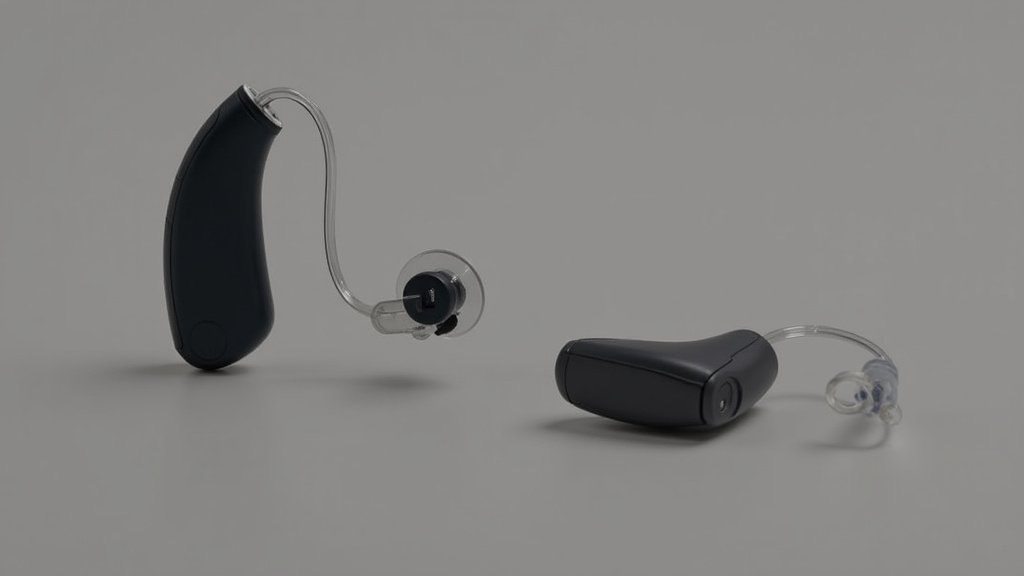
If you wake up and find your hearing aids haven’t charged, don’t panic. First, check the charging contacts on both the hearing aids and the case. Are they clean and free of debris? A quick wipe with a dry cloth or cotton swab can often fix this.
Next, ensure the hearing aids are seated correctly in the charger. They should click or sit snugly in place. Verify that the charging case itself is powered on. Check the indicator lights on the case for any error messages.
Slow Charging or Intermittent Charging
Slow or intermittent charging can also be due to dirty contacts. It might also be a sign that the charging cable or power adapter is faulty. Try using a different USB cable or wall adapter if possible. Ensure you’re using the charger that came with your hearing aids, as third-party chargers may not be compatible.
Sometimes, the hearing aid battery itself might be nearing the end of its lifespan. While rechargeable batteries are designed to last for years, they do eventually degrade. If your hearing aids are several years old and experiencing persistent charging issues, it might be time to discuss replacement options with your audiologist.
A Quick Checklist for Your Charging Routine
To make sure you’re getting the most out of your rechargeable hearing aids, consider this simple routine:
- Place aids on charger nightly: Make it a habit before you go to bed.
- Check indicator lights: Ensure they show charging is in progress.
- Clean charging contacts weekly: Use a dry cloth or swab.
- Wipe aids daily: Remove earwax and debris.
- Ensure charger is powered: Check connections and power source.
- Consult manual for specifics: Know your model’s charging needs.
Following these steps will help ensure your hearing aids are always ready when you need them.
Conclusion
Charging your rechargeable hearing aids overnight is a safe and convenient habit. It ensures you start every day with the power you need. By simply placing them on their charger before bed, you’ll benefit from a full charge without any daily worry. Remember to keep both your hearing aids and their charging contacts clean for optimal performance. This simple routine helps guarantee your hearing aids are always ready to help you connect with your world. Make it a part of your nightly ritual for consistent, reliable hearing.
Frequently Asked Questions
How long do rechargeable hearing aids typically last on a full charge?
Most rechargeable hearing aids are designed to last a full day, and often longer, on a single charge. Battery life can vary based on usage, streaming time, and the specific model you have. You can usually expect 16 to 24 hours of use.
Can I leave my hearing aids on the charger if they are already fully charged?
Yes, you can safely leave your fully charged hearing aids on their charging base. Modern charging systems have built-in safeguards to prevent overcharging. They will stop charging once the battery reaches 100%, protecting the battery life.
What should I do if my hearing aids aren’t charging overnight?
First, check that the charging contacts on both the hearing aids and the charger are clean and free of earwax or debris. Ensure the hearing aids are properly seated in the charging case and that the case itself is plugged in and receiving power. Consult your user manual for specific troubleshooting steps for your model.
Is it okay to use a different charging cable or adapter for my hearing aids?
It’s best to use the charging cable and adapter that came with your hearing aids. Using incompatible chargers might not provide the correct power output, which can lead to slow charging, damage to the hearing aids, or prevent charging altogether. Always refer to your manufacturer’s recommendations.
How often should I clean the charging contacts on my hearing aids and case?
You should aim to clean the charging contacts at least weekly, or more often if you notice any issues. Earwax and moisture can build up and interfere with the connection. A quick wipe with a dry cloth or a cotton swab usually does the trick and ensures a good charge every time.