How to Store Hearing Aids Overnight?
On this page (10 sections)
- Caring for Your Hearing Aids Overnight: A Simple Guide
- Why Proper Overnight Storage Matters
- The Best Environment for Your Hearing Aids
- Choosing the Right Storage Container
- The Daily Routine: What to Do Before Bed
- What NOT to Do When Storing Hearing Aids
- Traveling with Your Hearing Aids: Storage on the Go
- A Quick Checklist for Overnight Storage
- Conclusion
- Frequently Asked Questions
Storing your hearing aids overnight is important for their longevity and performance. You should always store them in a Storing your hearing aids overnight is important for their longevity and performance. Learn the best way to store your hearing aids at night.dry environment away from extreme temperatures. Many hearing aid users find a dedicated drying case or a simple, clean container works best.
Proper overnight storage helps prevent moisture damage and ensures your devices are ready for the next day. This simple habit can protect your investment and maintain sound quality. We found that consistently following these steps makes a big difference.
TL;DR:
- Always store hearing aids in a dry place.
- Avoid extreme heat or cold.
- Use a drying case or a clean container.
- This prevents moisture damage and keeps them working well.
Ready to learn the best practices for keeping your hearing aids safe and sound while you sleep? Let’s walk through exactly how to store them properly.
Caring for Your Hearing Aids Overnight: A Simple Guide
Storing your hearing aids properly each night is key to their good performance. It also helps them last longer. You might think it’s just about putting them somewhere safe. But there are a few best practices that make a real difference. We’ve looked into what works best for keeping these small but mighty devices in top shape. Let’s get into the details.
Why Proper Overnight Storage Matters
Your hearing aids work hard all day. They capture sounds and process them so you can hear clearly. But like any electronic device, they need downtime. Moisture is their biggest enemy. Think about sweat, humidity, or even just the air around you. These can all build up inside your hearing aids. Over time, this moisture can corrode parts and lead to costly repairs. Moisture is hearing aids’ biggest enemy. Learn how to clear moisture from hearing aid microphones.
Proper storage also protects your investment. Hearing aids are not cheap! Taking good care of them ensures you get the most out of them. Many users report better battery life and clearer sound when they follow a consistent storage routine. It’s like giving your hearing aids a spa treatment each night.
The Best Environment for Your Hearing Aids
So, what’s the ideal spot for your hearing aids when you’re not wearing them? The most important thing is a dry environment. This means avoiding places with high humidity. Your bathroom, for instance, is usually not the best choice, especially right after a shower. High heat is also a no-go. Don’t leave them on a windowsill where the sun can beat down on them. Extreme cold isn’t great either.
Think of it like storing sensitive electronics. You wouldn’t leave your phone in a damp basement or a hot car, right? Your hearing aids deserve the same consideration. A stable, moderate temperature is ideal. A bedside table in your bedroom is often a good location. Just make sure it’s not near a heating vent or an open window.
Avoiding Moisture: Your Hearing Aid’s Best Friend
We’ve all experienced that feeling of waking up to a device that isn’t working right. For hearing aids, moisture is often the culprit. It can sneak in through tiny openings. Even invisible condensation can cause problems over time. That’s why drying them out is so important. Many hearing aid manufacturers recommend a drying process.
This doesn’t always mean a fancy gadget. Sometimes, it’s as simple as leaving them in a clean, dry container overnight. However, for those who live in humid climates or sweat a lot, a more active drying solution might be beneficial. We found that a little extra effort here pays off in fewer service calls.
Choosing the Right Storage Container
When it comes to containers, you have a few good options. The simplest is a clean, dry box. This could be a small jewelry box or a specific container you buy. The key is that it should be clean and allow for some air circulation, but not so open that dust can get in easily.
Dedicated Drying Cases: A Smart Choice
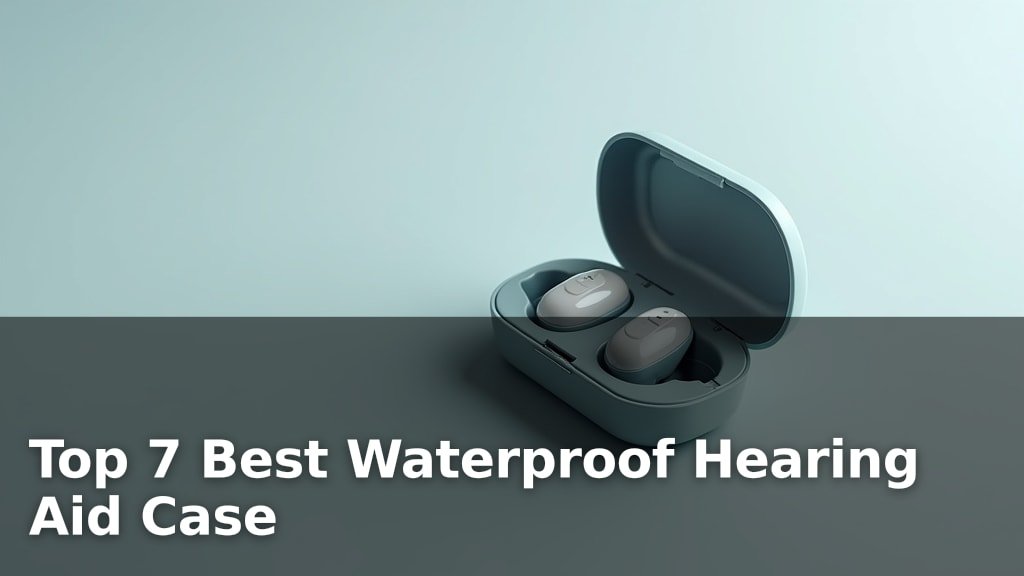
Many hearing aid users find that a dedicated drying case is a worthwhile investment. These cases are designed specifically for hearing aids. They often have a way to absorb moisture. Some use desiccant beads, which are like little sponges for water vapor. Others have a gentle heating element that dries the aids without overheating them.
We looked at several types of drying cases. The ones with a simple desiccant included are often very effective and don’t require electricity. Those with a low-heat drying function can be very thorough. Always follow the instructions that come with the case. Ensure the case itself is kept in a dry place, of course!
What to Look for in a Drying Case
If you’re considering a drying case, what features should you consider? First, ease of use. Is it simple to put your hearing aids in and take them out? Second, effectiveness. Does it actually dry your aids well? Look for cases that use desiccant technology or gentle, safe heating. Third, portability. If you travel, a compact case is a big plus. Some even have battery-powered options for when you’re on the go.
Simple Containers: When Less is More
Don’t have a fancy drying case? No problem! A simple container can work wonders. A small plastic box with a lid is a good start. Make sure it’s clean and dry before you put your hearing aids inside. You might even leave the lid slightly ajar to allow for airflow. This helps prevent any moisture that’s already present from getting trapped.
You can also place a small, dry silica gel packet (the kind you find in new shoes or electronics) inside the container. This acts as a moisture absorber. Just make sure the packet is secure and won’t be mistaken for candy by pets or children. We found that this simple method is surprisingly effective for many users.
The Daily Routine: What to Do Before Bed
Establishing a routine makes it easy to remember to store your hearing aids correctly. Here’s a simple sequence of steps:
- When you take your hearing aids off for the night, gently wipe them down with a soft, dry cloth. This removes any visible moisture or earwax.
- Open the battery door if your hearing aids use disposable batteries. This is very important for preventing moisture buildup.
- Place the hearing aids in your chosen storage container – either a drying case or a simple box.
- Ensure the container is in a safe, dry location away from extreme temperatures.
This routine takes only a minute or two. But it makes a significant difference in protecting your devices. Think of it as tucking them in for a good night’s sleep!
Battery Considerations: Disposable vs. Rechargeable
How you handle batteries is a bit different for disposable and rechargeable hearing aids. For those with disposable batteries, opening the battery door is a must. See our tips for storing hearing aid batteries. This allows air to circulate and prevents condensation from forming on the battery contacts. It’s a small step that can prevent corrosion.
Rechargeable hearing aids typically stay in their charging base overnight. Most charging bases are designed to be safe and dry. However, it’s still a good idea to ensure the charging area is not damp or excessively humid. Some advanced charging cases also include a drying function. If yours does, follow the manufacturer’s instructions for optimal use.
What NOT to Do When Storing Hearing Aids
Just as important as knowing what to do is knowing what to avoid. Here are some common mistakes we’ve seen or heard about:
- Never store them in a pocket or purse overnight. They can easily get lost or damaged.
- Avoid leaving them on surfaces where they could be knocked off, like the edge of a sink.
- Don’t put them in water or clean them with liquids unless specifically instructed by the manufacturer.
- Keep them away from pets and small children. They can be mistaken for toys or snacks!
- Don’t leave them in direct sunlight or near heat sources like radiators.
Avoiding these pitfalls is straightforward. It’s all about being mindful of where you place your devices. A little awareness goes a long way.
Traveling with Your Hearing Aids: Storage on the Go
When you travel, your routine might need a slight adjustment. Humidity levels can vary greatly. Hotels might have less-than-ideal bathroom conditions. Always pack your hearing aid case, whether it’s a drying case or a simple protective box.
If you’re going to be in a very humid environment, a dedicated drying case becomes even more important. Some travel-friendly cases are quite compact and easy to slip into a carry-on bag. Many guidelines for hearing aid care recommend continued use of drying solutions when traveling (National Institute on Aging).
Make sure your charging equipment is also packed. If you use disposable batteries, pack enough spares for your trip and learn how to store spare batteries. Being prepared ensures your hearing aids continue to function well, no matter where your travels take you.
A Quick Checklist for Overnight Storage
Here’s a simple checklist to help you remember the key steps:
- Wipe clean: Gently clean your hearing aids before storing.
- Open battery door: If using disposable batteries.
- Use a dry container: Opt for a drying case or a clean box.
- Add desiccant: Consider a silica gel packet if not using a drying case.
- Store safely: Keep in a stable, dry spot, away from heat and moisture.
- Check daily: Make sure your container is dry and your aids are ready for morning.
Following these steps consistently will help protect your hearing aids. It ensures they’re ready to perform their best when you wake up.
Conclusion
You’ve learned the essentials of storing your hearing aids overnight. Remember, a little care goes a long way to protect your hearing aids. Keeping them in a dry, safe spot is your best defense against moisture. These overnight storage steps can help protect your devices. Whether you choose a dedicated drying case or a simple container, consistency is key. This simple habit guards your investment and ensures clear hearing every day.
Take a moment tonight to set up your storage system. Your hearing aids will thank you for it by performing their best, day in and day out. Make this part of your nightly routine!
Frequently Asked Questions
Can I just put my hearing aids in their regular case overnight?
Generally, no. Most standard hearing aid cases aren’t designed for overnight drying. They might not offer enough ventilation to prevent moisture buildup. For best results, use a dedicated drying case or a simple container that allows for airflow.
Is it okay to leave my hearing aids on my nightstand?
A nightstand can work if it’s in a stable, dry location away from heat sources or open windows. Avoid leaving them on surfaces where they could easily be knocked off. Always consider the surrounding environment for humidity and temperature extremes.
What if I live in a very humid climate?
If you live in a humid area, a drying case with desiccant or a gentle heating element is highly recommended. These devices actively remove moisture. Using a simple container might not be enough to combat persistent humidity.
How often should I replace the desiccant in my drying case?
Desiccant packs typically last for about 30 to 90 days, depending on usage and humidity levels. You’ll know it’s time to replace them when they no longer absorb moisture effectively. Many desiccant packs change color to indicate they’re saturated.
Can I store my rechargeable hearing aids outside their charging base?
While rechargeable hearing aids are designed for their charging base, you should still ensure the charging area is dry and protected from extreme temperatures. If the charging base itself is in a humid bathroom, for example, consider moving it. Some advanced charging cases offer drying features, so check your manufacturer’s recommendations.