What Is the Best Way to Store Hearing Aids at Night?
On this page (6 sections)
The best way to store your hearing aids at night is in a dryer and dehumidifier case, or a dedicated hearing aid storage box. This helps protect them from moisture and dirt. Keeping them safe ensures they work well for longer.
Proper storage is key for hearing aid longevity. It prevents damage from everyday elements. Many experts recommend specific storage methods to keep your devices in top shape. This simple step can make a big difference.
- Store hearing aids in a dryer/dehumidifier case.
- Use a hearing aid storage box designed for protection.
- Keep them away from moisture and dust.
- This helps them last longer and perform better.
Ready to learn the best practices for keeping your hearing aids safe overnight? We’ll walk you through the simplest and most effective ways to do it.
Keeping Your Hearing Aids Safe Overnight
Storing your hearing aids properly at night is super important. It helps them last longer. It also means they’ll sound their best. Think of it like putting your phone on its charger. You want to give it the best environment. This section will guide you through the best ways to protect your devices when you’re not wearing them.
Why Overnight Storage Matters So Much
You might wonder why you need a special way to store hearing aids. They seem pretty sturdy, right? Well, they are delicate instruments. They’re exposed to earwax, moisture, and dust all day. Storing them incorrectly can speed up wear and tear. It can also lead to costly repairs.
The Moisture Menace
Our ears produce sweat and moisture. This is perfectly normal. But for hearing aids, it’s a big problem. Moisture can get inside the delicate electronic parts. This can cause corrosion or damage. Many experts stress that keeping them dry is key (CDC). It’s like not leaving your phone in the bathroom during a steamy shower!
Dust and Debris: The Unseen Villains
Even in your bedroom, dust and tiny particles are floating around. If you just leave your hearing aids out on a nightstand, they can collect this grime. This buildup can clog ports and affect sound quality. A good storage solution keeps them clean and protected from these tiny invaders.
Preventing Accidental Damage
Pets, children, or even just an accidental knock can happen. A proper storage case acts like a mini safe for your hearing aids. It prevents them from being stepped on, chewed up, or misplaced. This peace of mind is often worth the small investment.
The Best Storage Solutions: What Experts Recommend
When we looked into the best practices, a few solutions kept coming up. These are designed specifically to combat the issues we just discussed. They are simple to use and highly effective.
Option 1: The Dryer and Dehumidifier Case
This is often considered the gold standard for hearing aid storage. These cases do two things exceptionally well: they dry out your hearing aids and remove moisture.
How They Work
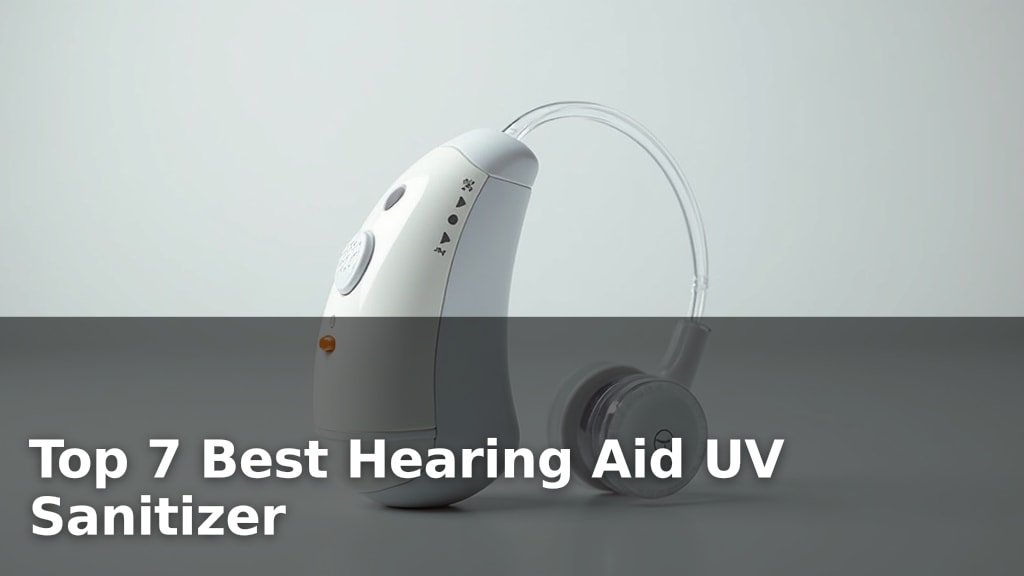
These clever devices typically use a desiccant (like silica gel) or a small fan to draw moisture away from the hearing aids. Some even use gentle heat. You simply place your hearing aids inside, close the lid, and let it do its magic overnight. It’s like a mini spa treatment for your ears! For maximum moisture removal, consider a hearing aid dryer.
Benefits of a Dryer Case
- Maximum moisture removal: Crucial for preventing corrosion.
- Extended hearing aid life: By keeping them dry, you reduce the risk of damage.
- Improved performance: Dry hearing aids often sound better.
- Protection from elements: Keeps dust and debris out.
When to Use One
If you live in a humid climate, sweat a lot, or find your hearing aids feel a bit damp, a dryer case is a fantastic investment. Many audiologists recommend them highly for all hearing aid users.
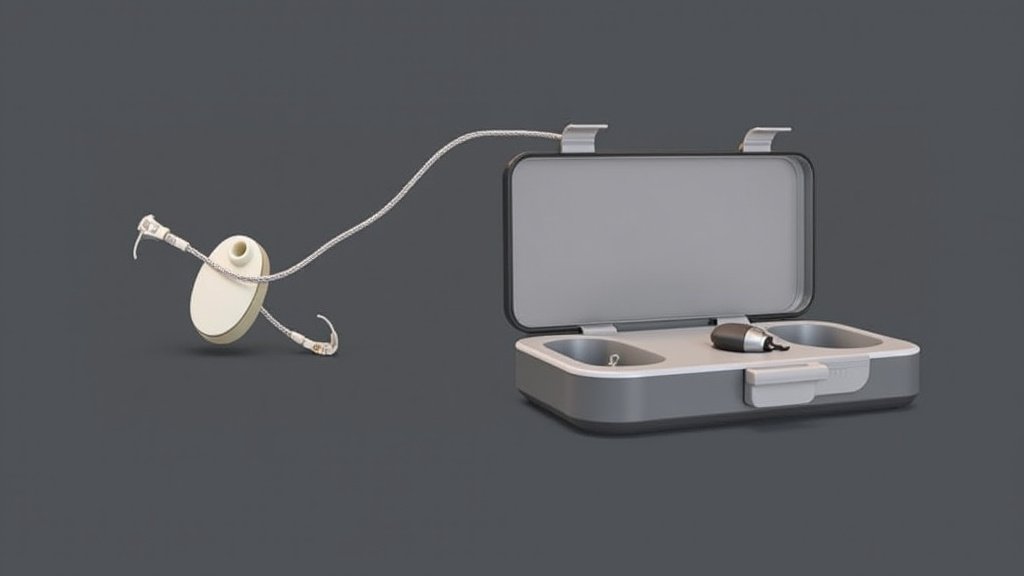
Option 2: Dedicated Hearing Aid Storage Boxes
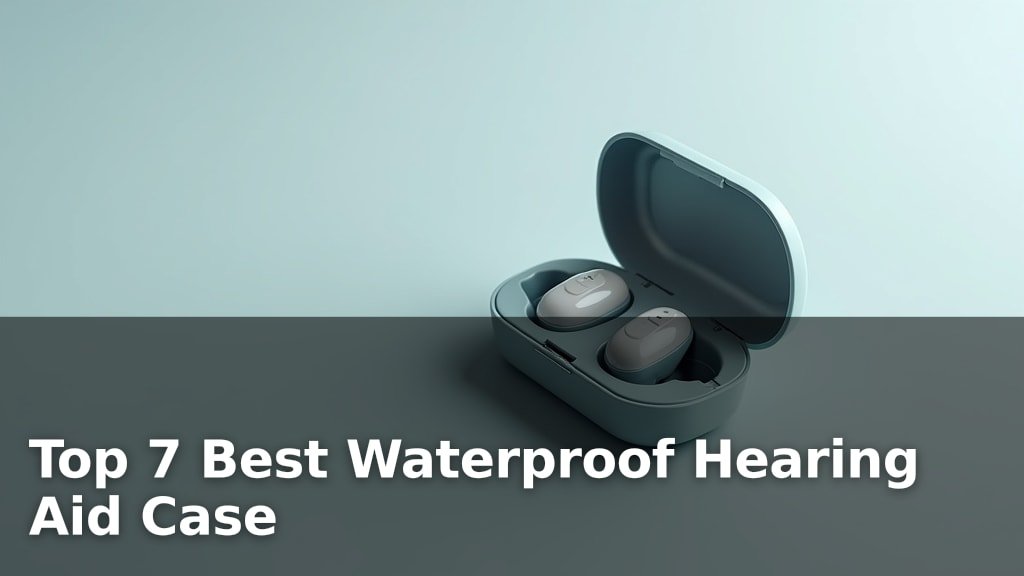
These are simpler than the dryer cases but still offer great protection. They are essentially small, sturdy boxes designed to house your hearing aids securely.
Features to Look For
A good storage box will have a secure clasp to keep it from opening accidentally. Many have soft lining to prevent scratches. Some even have small compartments for hearing aid batteries or cleaning tools. The key is that it’s a dedicated space, not just any old container.
Benefits of a Storage Box
- Physical protection: Shields against bumps and drops.
- Keeps them tidy: Prevents them from getting lost.
- Dust and dirt barrier: Offers a clean environment.
- Portable: Easy to take with you when traveling.
Who Should Use One?
These are great for anyone who wants to keep their hearing aids safe and organized. If you don’t have issues with significant moisture, a good storage box is a solid, reliable choice.
Things to Avoid When Storing Your Hearing Aids
Just as important as knowing what to do is knowing what not to do. Some common mistakes can actually harm your devices.
Avoid Bathroom Storage
It might seem convenient to keep them on the counter, but bathrooms are often the most humid room in the house. The steam from showers is a hearing aid’s worst enemy. Even if the lid is on, moisture can find its way in.
Don’t Leave Them Exposed
Leaving your hearing aids out on a dresser or table makes them vulnerable. They can be knocked off, covered in dust, or become a target for curious pets. A safe haven is always better than an open surface.
Be Wary of Small Containers
Using
Conclusion
Taking care of your hearing aids overnight is a simple habit that makes a big difference. We found that the best way to protect your devices is by using a dryer and dehumidifier case or a dedicated hearing aid storage box. These solutions guard against moisture, dust, and accidental damage. Proper storage helps your hearing aids perform their best and last longer. Make it a nightly routine to place your hearing aids in their protective case. You’ll thank yourself for it! Using a protective case is a key part of proper nighttime storage.
Frequently Asked Questions
How often should I clean my hearing aids before storing them at night?
It’s a good idea to do a quick wipe-down of your hearing aids every night before storing them. Use a soft, dry cloth to remove any visible earwax or debris. For a more thorough cleaning, follow your audiologist’s instructions, which might involve occasional use of specific cleaning tools or solutions.
Can I use a regular jewelry box or pill organizer to store my hearing aids?
While a regular container might seem convenient, it’s not ideal for storing hearing aids. These containers often don’t offer adequate protection from moisture or dust. Hearing aid storage boxes and dryer cases are specifically designed to shield your devices from these damaging elements.
What should I do if my hearing aids feel damp in the morning?
If your hearing aids feel damp, it’s a clear sign that moisture is affecting them. Make sure to use a dryer and dehumidifier case that night. If the dampness persists or you notice any issues with sound quality, contact your audiologist immediately for professional advice and potential servicing.
Are dryer cases safe for all types of hearing aids?
Yes, dryer cases are generally safe for most types of hearing aids, including behind-the-ear, in-the-ear, and receiver-in-canal models. They work by gently removing moisture without causing harm to the electronic components. Always check the manufacturer’s instructions for your specific hearing aid model and drying case.
Can I store my hearing aids in the refrigerator to keep them dry?
No, storing hearing aids in the refrigerator is not recommended. The temperature fluctuations and condensation inside a refrigerator can actually cause more harm than good. Stick to specialized drying cases designed for hearing aids to manage moisture effectively and safely.