How to Know When to Replace Hearing Aids?
On this page (5 sections)
You generally need to replace your hearing aids every 3 to 7 years. This timeframe can vary based on how well you care for them and the quality of the devices. Knowing when to upgrade ensures you’re getting the best possible sound and features.
Your hearing aids are like tiny computers for your ears. Over time, technology advances, and your own hearing might change. Your current aids might struggle to keep up with new sound environments or offer the latest features. We found that a good rule of thumb is to re-evaluate them around the 5-year mark.
- Expect to replace aids every 3-7 years.
- Consider replacement if they are out of warranty.
- Hearing changes are a big indicator.
- Newer technology offers better features.
- Listen for signs of diminishing performance.
Let’s walk through the tell-tale signs that indicate it’s time to start looking for a new pair of hearing aids.
When It’s Time for New Hearing Aids
Your hearing aids are powerful allies in experiencing the world. They help you connect with loved ones and enjoy everyday sounds. But like any electronic device, they don’t last forever. You might wonder, “How do I know when my hearing aids are past their prime?” We’ve gathered the key indicators to help you decide.
Signs Your Hearing Aids Need an Upgrade
Think of your hearing aids like a smartphone. Technology advances rapidly. New features and improvements appear every year. Your current hearing aids might still work, but they may not be performing at their best. Here are the most common signs that point to replacement.
Diminishing Sound Quality and Performance
This is often the most obvious sign. Are sounds becoming muffled or unclear? Do you find yourself asking people to repeat themselves more often, even with your aids on? This can indicate that the internal components are degrading. We found that many users notice a gradual decline in clarity over time.
Perhaps the feedback, that whistling sound, is becoming more frequent and harder to control. Or maybe you’re experiencing more static or distortion. These aren’t just minor annoyances; they’re signals that your hearing aids are struggling. Many experts say that a consistent loss of sound quality is a strong indicator for replacement (American Academy of Audiology).
Specific Sound Issues to Watch For
- Muffled sounds: Speech and environmental noises sound unclear.
- Increased feedback: Whistling or ringing that won’t stop.
- Static or distortion: Sounds are crackly or unnatural.
- Lower volume: Even at the highest setting, things sound too quiet.
Hearing Aid Age and Wear and Tear
The average lifespan of a hearing aid is generally between 3 to 7 years. This isn’t just a random number. It’s based on the typical lifespan of the delicate electronic components inside. Think about how much daily use your hearing aids get. They’re constantly exposed to moisture, earwax, and everyday bumps.
Components like microphones, hearing aid receivers, and batteries can degrade over time. Even with diligent care, wear and tear are inevitable. If your hearing aids are approaching the 5-year mark, it’s a good time to start thinking about an upgrade. We found that older models simply can’t keep up with the demands of modern sound environments.
Understanding Warranty and Out-of-Warranty Issues
Most hearing aids come with a manufacturer’s warranty, often lasting 1 to 3 years. Once your hearing aids are out of warranty, you bear the full cost of any repairs. If a significant component fails, the repair cost might approach the price of a new device. It’s a good practice to check your warranty status regularly.
If your aids are out of warranty and require frequent repairs, it might be more economical to invest in a new pair. This also means you’ll likely get a fresh warranty and newer technology. We found that the expense of repeated repairs on older devices can be a significant financial drain.
Changes in Your Hearing
This is a critical factor that many people overlook. Your hearing isn’t static; it can change over time. Even if your hearing aids are working perfectly, they might no longer be providing the optimal amplification for your current hearing loss. Many audiologists recommend annual hearing tests. These tests help track changes.
If your audiologist identifies a shift in your hearing levels, your current hearing aids might need reprogramming or replacement. A device that was once a perfect match may now be insufficient or even too powerful. Research indicates that untreated or undertreated hearing loss can have broader impacts (National Institute on Deafness and Other Communication Disorders).
How to Tell if Your Hearing Has Changed
- Difficulty hearing in noisy places: This is a common sign of progressing hearing loss.
- Needing to increase volume: You consistently turn up the volume on your aids.
- Fatigue from listening: You feel mentally drained after conversations.
- Misunderstanding speech: Even with aids, you find yourself missing words.
Outdated Technology and Features
Hearing aid technology has advanced dramatically. Newer devices offer features that older models simply can’t match. Are you struggling with Bluetooth connectivity for your phone or TV? Do you wish for a smaller, more discreet style? These desires can be met with newer aids.
Think about features like rechargeable batteries, advanced noise reduction, and automatic program adjustments. Many modern hearing aids can connect wirelessly to smartphones and other devices, allowing for direct streaming of calls, music, and more. We found that the ability to stream audio directly is a highly sought-after feature.
Comparing Old vs. New Hearing Aid Capabilities
Let’s look at a quick comparison of what you might be missing:
| Feature | Older Hearing Aids (Approx. 5+ years) | Newer Hearing Aids |
|---|---|---|
| Connectivity | Limited or no Bluetooth/streaming | Seamless Bluetooth for calls, music, TV |
| Noise Reduction | Basic | Advanced, adaptive to environments |
| Rechargeability | Typically battery-dependent | Optional rechargeable batteries available |
| User Control | Manual adjustments | Smartphone app control, automatic adjustments |
| Sound Processing | Fewer channels, less nuance | More channels, richer, clearer sound |
Discomfort and Fit Issues
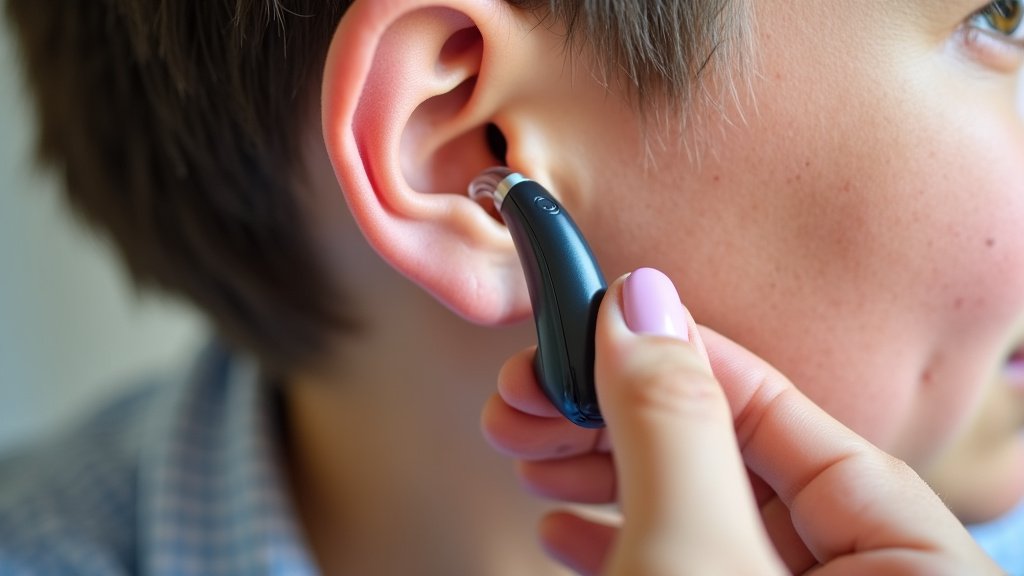
Sometimes, the issue isn’t with the technology but with the physical fit. Your ears can change shape slightly over the years. This might be due to weight fluctuations or simply the natural aging process. An ill-fitting hearing aid can cause discomfort, pain, or even skin irritation.
Are your ear molds or domes no longer fitting snugly? Learn how often to replace hearing aid domes. Do they feel loose or are they causing soreness? A proper fit is essential for both comfort and the acoustic seal needed for optimal sound. Your audiologist can often adjust or remake ear molds, but if the discomfort persists, it might be time for new aids with updated fitting components.
Battery Drain and Power Issues
Are you finding yourself replacing batteries more often than you used to? Or is your rechargeable hearing aid not holding a charge for as long as it once did? Battery life is a common indicator of a device’s age and health. The internal batteries in rechargeable hearing aids, like those in your phone, degrade over time.
If you’re constantly worried about your batteries dying, it can be quite frustrating. This frequent need for battery changes can be a sign that the internal battery or power management system is nearing the end of its life. Many users report that reduced battery performance is a major inconvenience.
Availability of Parts and Service
As hearing aids age, manufacturers may stop producing replacement parts or offering repair services for older models. This is especially true for devices that are several generations old. If a key component fails and parts are no longer available, your hearing aids become unrepairable.
Your audiologist will be the first to know if parts are becoming scarce for your specific model. If they indicate that serviceability is becoming an issue, it’s a clear signal to start considering your next pair. We found that ensuring continued support is important for long-term hearing aid users.
Your Checklist for Hearing Aid Replacement
Here’s a quick way to assess if it’s time to start looking for new hearing aids:
- Is the sound quality noticeably poorer than it used to be?
- Are your hearing aids more than 5-7 years old?
- Have you experienced a change in your hearing that hasn’t been re-tested?
- Are repairs becoming frequent and costly?
- Do you miss out on modern features like Bluetooth streaming?
- Are your current aids uncomfortable or causing irritation?
If you checked off several of these points, it’s likely time to schedule a consultation with your audiologist. They can perform tests and discuss your options for new hearing aids that will help you hear the world around you with clarity and confidence.
Conclusion
Your hearing aids are vital tools for staying connected. Over time, their performance can dip, or your hearing needs might change. Paying attention to signs like muffled sound, frequent repairs, or missing new features helps you know when it’s time for an upgrade. Don’t let outdated technology hold you back from experiencing life’s sounds fully. If you’ve noticed several indicators from this guide, your next step is to schedule a chat with your audiologist. They can assess your current situation and help you find the perfect new aids for clear, confident hearing.
Frequently Asked Questions
How often should I expect to replace my hearing aids?
Most hearing aids have a lifespan of 3 to 7 years. This range depends heavily on how well you care for them and the quality of the devices. Regular maintenance and protection can help extend their life, but components naturally degrade over time.
Is it worth repairing old hearing aids or should I just buy new ones?
If your hearing aids are consistently needing repairs, especially if they are out of warranty, the cost can add up. Research suggests that the expense of frequent repairs on older devices might soon exceed the investment in a new pair, which would also come with a fresh warranty.
Can my hearing change even if my hearing aids still seem to work?
Yes, your hearing can change independently of your hearing aids. It’s important to have regular audiology appointments. Your audiologist can detect shifts in your hearing and determine if your current aids need reprogramming or if a new prescription is required for optimal performance.
What are the biggest benefits of upgrading to newer hearing aids?
Newer hearing aids often offer advanced features like improved Bluetooth connectivity for streaming calls and music, better noise reduction in challenging environments, and smartphone app control. Many also come with rechargeable battery options, which can be a significant convenience.
How do I know if my hearing aids are physically causing discomfort?
Signs of a poor fit include pain, irritation in the ear canal, or a feeling that the aids are too loose or too tight. Your ear shape can change slightly over time, making old ear molds or domes ill-fitting. If you experience persistent discomfort, it’s worth discussing with your audiologist.