How Often Should You Replace Hearing Aid Domes?
On this page (9 sections)
- Keeping Your Hearing Aid Domes Fresh: When to Replace Them
- Understanding Why Dome Replacement Matters
- Signs Your Hearing Aid Domes Need Replacing Soon
- Frequency Based on Usage and Environment
- Best Practices for Hearing Aid Dome Care
- A Quick Checklist for Your Domes
- Making the Switch: What to Expect
- Conclusion
- Frequently Asked Questions
You should replace your hearing aid domes every 3 to 6 months, or sooner if you notice any signs of wear. This regular replacement is key to maintaining optimal sound quality and preventing discomfort or infection. Don’t wait for problems to arise; swapping out your domes is a simple maintenance step that makes a big difference.
These tiny silicone tips play a big role in how your hearing aids perform. Over time, they can get clogged with earwax and debris, or start to degrade. Research shows that worn-out domes can affect the clarity of your sound and even lead to feedback. Keeping them fresh ensures your hearing aids work their best.
- Replace hearing aid domes every 3-6 months.
- Check for earwax buildup and damage regularly.
- Clean domes daily, but replacement is still needed.
- Worn domes affect sound quality and comfort.
- Use this guide to know when it’s time to switch.
Ready to keep your hearing aids in top shape? Let’s walk through exactly when and why you should be swapping out those domes.
Keeping Your Hearing Aid Domes Fresh: When to Replace Them
Think of your hearing aid domes like little tires on a car. They take a beating day in and day out. You might be wondering, “Just how often do these little guys need replacing?” The general rule of thumb is to plan on swapping them out every three to six months. But this is just a guideline. Your personal experience might mean you need to replace them even sooner.
Why such a range? Well, several factors can speed up wear and tear. Your body’s natural earwax production, your lifestyle, and even how you clean your hearing aids all play a role. It’s all about keeping your hearing aids working their best and feeling comfortable in your ear.
Understanding Why Dome Replacement Matters
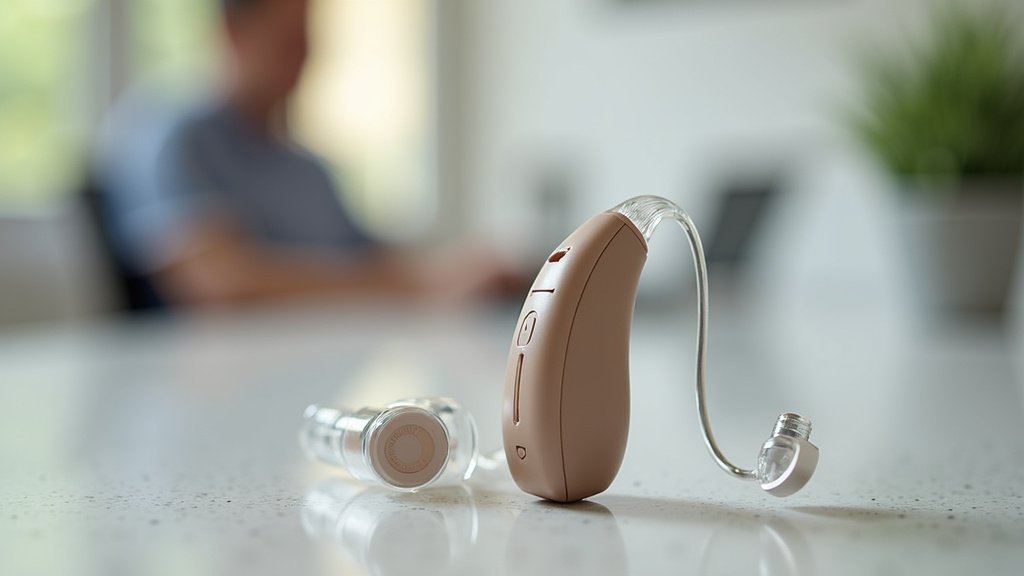
Your hearing aid domes are the little silicone tips that sit at the end of the sound tube. If the tube shows wear, learn when to replace hearing aid tubing. They’re not just there to keep the tube in place. Domes help direct sound into your ear canal properly. They also create a seal. This seal is important for certain hearing aid features and for delivering the best sound quality. When they’re damaged or worn, that seal can break. This can lead to a lot of issues you don’t want.
Impact on Sound Quality
A worn-out dome can change how sound is delivered. If it has a small tear or is misshapen, sound waves can escape. This might mean you notice a muffled or tinny sound. It can also cause feedback, that annoying whistling noise. Research shows that even slight damage to a dome can alter the frequency response. This means certain sounds might not reach your ears as they should. You invested in hearing aids for clear sound, so keeping the domes in good shape is key.
Comfort and Fit Considerations
When domes start to degrade, they can become stiff or rough. This can make them feel uncomfortable inside your ear. Imagine wearing a shirt with a scratchy tag all day; it’s just annoying. A rough dome can irritate your ear canal. It might even lead to soreness or a feeling of fullness. A good fit is essential for both comfort and hearing aid performance. Fresh domes ensure a smooth, comfortable fit.
Preventing Ear Health Issues
Your ear canals are delicate environments. A damaged dome can create rough spots. These rough spots can lead to abrasions or minor cuts. Bacteria can then find a home there, potentially causing infections. Also, a dome that doesn’t fit well might trap moisture. Trapped moisture is a breeding ground for germs. Replacing your domes regularly helps Replacing your domes regularly helps maintain a clean and healthy ear canal, preventing potential infections.maintain a clean and healthy ear canal.
Signs Your Hearing Aid Domes Need Replacing Soon
So, how do you know if it’s time to swap them out? Don’t just set a calendar reminder and forget about it. Take a moment to actually look at your domes. They’ll often give you clues that they’re past their prime.
Visible Wear and Tear
First, give your domes a good visual inspection. Are there any tiny cracks or tears? Has the dome lost its smooth texture and become rough or irregular? Does it look stretched out or misshapen? If you see any of these signs, it’s definitely time for a change. Even a small tear can affect sound and comfort.
Changes in Sound or Feedback
Have you noticed a difference in how your hearing aids sound lately? Perhaps the sound seems less clear, or maybe you’re hearing more background noise than usual. The opposite can also happen – sounds might seem distorted or weak. You might also be experiencing more unwanted feedback or whistling. These are strong indicators that your domes aren’t doing their job effectively anymore.
Discomfort or Irritation
Are your ears feeling sore, itchy, or generally uncomfortable after wearing your hearing aids? This is a big red flag. Your hearing aids should feel comfortable, not irritating. If you’ve tried cleaning the domes and the discomfort persists, the dome itself is likely the culprit. It might have become hardened or developed a rough surface.
Stubborn Earwax Buildup
While daily cleaning is important, some earwax is natural. If you find that earwax seems to be clogging your domes more frequently, or if cleaning them no longer removes it effectively, it might be time for new ones. Old, degraded domes can sometimes be stickier and attract more wax. Plus, heavily soiled domes can block sound.
Frequency Based on Usage and Environment
While 3-6 months is a good average, your daily life can influence this timeline. Think about how you use your hearing aids and the environments you’re in. This can help you fine-tune your replacement schedule.
Active Lifestyles and Sweat
If you lead an active life, you might sweat more. Sweat contains salts and minerals that can break down silicone over time. For very active individuals, especially those who exercise daily, you might find yourself needing to replace domes every 2-3 months. It’s a good idea to wipe them down after sweaty activities too.
Humid or Dusty Environments
Living in a very humid climate can also affect the material. High humidity can accelerate degradation. Similarly, if you work or spend a lot of time in dusty or dirty environments, your domes will likely get clogged and worn faster. You might need to clean them more often and replace them on the shorter end of the 3-6 month range.
Earwax Production Variations
Everyone’s body is different. Some people naturally produce more earwax than others. If you have a tendency towards higher earwax production, your domes will likely need more frequent attention. You might need to clean them daily and consider replacing them every 2-3 months to avoid blockages and maintain sound clarity.
Best Practices for Hearing Aid Dome Care
While replacement is key, proper care can extend the life of your domes and ensure they function optimally between changes. Think of it as giving them the best possible environment to do their job.
Daily Cleaning Routine
Make it a habit to clean your domes every day. Use a soft, dry cloth to wipe away any visible earwax or debris. If needed, you can use a slightly damp cloth, but make sure they dry completely before wearing. Some hearing aid manufacturers offer special cleaning wipes or solutions. Always check your hearing aid manual for recommended cleaning methods.
Proper Storage When Not in Use
When you take your hearing aids out, store them properly. Avoid leaving them just anywhere. Use the case that came with your hearing aids. This protects them from dust, moisture, and potential damage. It also keeps the domes from being squashed or altered.
When to Use Cleaning Tools Safely
For stubborn earwax, you might need a cleaning tool. Many hearing aids come with a small brush or wire loop. Use these tools gently to dislodge wax from the dome and the sound port. Never use sharp objects, as you could easily damage the dome or the hearing aid itself. If you’re unsure, ask your audiologist for a demonstration.
A Quick Checklist for Your Domes
Here’s a simple way to remember when to check and replace your hearing aid domes:
- Check monthly: Visually inspect your domes for any cracks, tears, or changes in texture.
- Listen carefully: Notice any changes in sound quality or increased feedback.
- Feel for comfort: Pay attention to any new discomfort, itching, or irritation in your ears.
- Monitor earwax: See how quickly they get clogged and how easy they are to clean.
- Replace proactively: Aim to replace them every 3-6 months, or sooner if any signs appear.
- Consult your audiologist: If you have any doubts, ask for their professional opinion.
Making the Switch: What to Expect
Replacing your hearing aid domes is usually a straightforward process. Most people can do it themselves at home. Your audiologist can also show you how the first time.
Types of Hearing Aid Domes
There are different types of domes available, and they aren’t all interchangeable. You’ll typically find open domes, closed domes, double-vented domes, and power domes. Each type is designed for specific hearing loss levels and sound preferences. Using the correct type is essential for proper sound delivery and comfort. Your audiologist will help you choose the right ones.
The Replacement Process
Generally, you’ll gently pull off the old dome from the end of the hearing aid tube. Then, you’ll firmly push the new dome onto the tube. Make sure it’s seated securely. It should feel snug and not wobble. If you ever feel unsure, it’s always best to have your audiologist or hearing care professional assist you. They can ensure the dome is fitted correctly and that it’s the right type for your specific hearing needs.
Conclusion
Keeping your hearing aids working their best means paying attention to the small parts, like your domes. Remember to replace them every 3 to 6 months, or sooner if you notice wear or changes in sound. Regularly checking for visible damage, discomfort, or feedback will help you know when it’s time for a fresh pair. Don’t hesitate to consult your audiologist if you have any questions about dome care or replacement. Taking these simple steps ensures you continue to enjoy clear, comfortable hearing.
Frequently Asked Questions
Can I just clean my domes instead of replacing them?
Daily cleaning is essential for hygiene and performance. However, cleaning won’t fix wear and tear or material degradation. Over time, domes lose their elasticity and can develop tiny cracks that cleaning can’t repair. Replacing them ensures optimal fit and sound quality.
How do I know if I have the right type of dome?
Your audiologist will help you select the correct dome type based on your hearing loss and sound preference. Using the wrong type can lead to discomfort, poor sound, or feedback. If you’re unsure, always ask your hearing care professional for guidance.
Is it okay to use other brands of domes if they look similar?
It’s best to stick with domes recommended or supplied by your hearing aid manufacturer or audiologist. Domes are specifically designed to fit the sound tubes and acoustic ports of particular hearing aid models. Using a mismatched dome could affect performance and potentially damage your hearing aid.
What should I do if my ears feel sore after wearing hearing aids?
Ear soreness is a common sign that your domes might need replacing. Worn-out domes can become stiff and rough, causing irritation. Ensure your domes are clean and try a fresh pair; if the discomfort persists, contact your audiologist to check the fit and dome type.
How often should I replace domes if I wear hearing aids constantly?
If you wear your hearing aids 24/7, your domes will experience continuous wear. In this case, you should aim for replacement closer to the 3-month mark. Constant use, especially with activity and moisture, speeds up wear and tear on the silicone material.