How to Get Used to Background Noise with New Hearing Aids?
On this page (8 sections)
Getting used to background noise with new hearing aids is completely normal and manageable. You can absolutely learn to filter out unwanted sounds. It takes time and practice, but your brain will adjust to hearing aids in noisy environments.
Many hearing aid users find that background sounds can be a big adjustment. It’s not just about hearing conversations better. It’s about retraining your brain to focus on what matters. We found that with the right approach, you can enjoy social situations again, even with plenty of background noise.
- Be patient with yourself.
- Start in quieter settings.
- Gradually increase noise levels.
- Use your hearing aid’s features.
- Talk to your audiologist.
Let’s walk through some proven strategies to help you get comfortable with background noise when wearing your new hearing aids.
Adjusting Your Hearing Aids to Background Noise
Getting used to new hearing aids can feel like learning a new language. Suddenly, the world is louder, and not always in a good way. You might find yourself hearing every little hum, buzz, and shuffle. This is a common experience for new hearing aid users. Your brain has been filtering out a lot of sound for a long time. Now, it needs a little help to sort through everything again.
The good news is that your brain is incredibly adaptable. We’ve seen through research that the auditory system can learn to adjust. It takes a bit of time and some deliberate practice. Think of it like training a muscle. The more you use it correctly, the stronger and more efficient it becomes. Your brain will learn to prioritize speech and tune out distracting noises.
Your Brain’s Role in Hearing with Noise
Why does background noise feel so overwhelming at first? Your brain is the ultimate sound processor. When you have hearing loss, your brain misses out on a lot of auditory information. It might have gotten used to a quieter, less detailed world. When you put in hearing aids, your brain receives a flood of new sounds. It’s like suddenly turning up the volume on everything at once. It needs time to re-learn what’s important.
Research has shown that the brain can actually reorganize itself in response to new sensory input. This is often called neuroplasticity. Your auditory cortex, the part of your brain that processes sound, is quite flexible. It can learn to better distinguish between different sound sources. It can also get better at focusing on one sound while suppressing others. This is key to managing background noise.
Taking Small Steps in Noisy Environments
The quickest way to feel overwhelmed is to jump into the loudest situations immediately. Instead, we recommend a gradual approach. Start by wearing your hearing aids in environments with minimal background noise. This could be your own home, a quiet park, or a one-on-one conversation.
Once you feel comfortable in these quiet settings, you can slowly introduce more complex soundscapes. Think of it as building up your tolerance. For example, try listening to the television with some background chatter from another room. Or perhaps a quiet café for a short period.
Where to Start: Quiet Zones
Your first few days with new hearing aids should focus on getting accustomed to the overall sound quality. Wear them for short periods. Focus on the clarity of sounds you know well. Listen to music or familiar podcasts. This helps your brain register the improved sound without added stress.
This initial phase is about comfort. It’s not about tackling the busiest restaurant just yet. We found that many users feel more confident when they start with success. Small victories build momentum. They show you that your hearing aids are working and that your brain can adapt.
Gradually Increasing the Sound Pressure
As you feel more at ease, try slightly noisier situations. A family dinner at home is a good next step. You’re with familiar people, which can make it easier to focus on conversations. If it becomes too much, it’s okay to take a break.
Consider visiting a place that has ambient noise but isn’t chaotic. A small shop or a quiet library can be good. The goal is to expose your brain to more sounds without feeling completely bombarded. Many audiologists suggest this progressive exposure as a core strategy.
Understanding Your Hearing Aid Features for Noise Reduction
Modern hearing aids come with some amazing technology. They are designed to help you manage background noise. Understanding these features is half the battle. Your audiologist is your best resource for learning how to use them effectively.
Directional Microphones: Focusing the Sound
Many hearing aids have directional microphones. These are designed to pick up sound from the front more clearly. They also reduce sounds coming from the sides and the back. This is like having a built-in focus tool.
Imagine you’re at a party. With directional microphones, your hearing aids can help you focus on the person speaking directly to you. They can help suppress the general din of the crowd. Ask your audiologist if your aids have this feature and how to activate it. Sometimes it’s automatic, and other times you can control it.
Noise Reduction and Feedback Cancellation
Another common feature is noise reduction. This technology works to identify and lessen constant background noise. Think of the hum of an air conditioner or a distant lawnmower. These features can turn down the volume on these steady sounds.
Feedback cancellation is also important. This stops that high-pitched whistling sound. It’s annoying for you and everyone around you! Reputable sources like the American Academy of Audiology highlight these features as essential for comfortable hearing aid use.
Using Your Hearing Aid Apps and Remotes
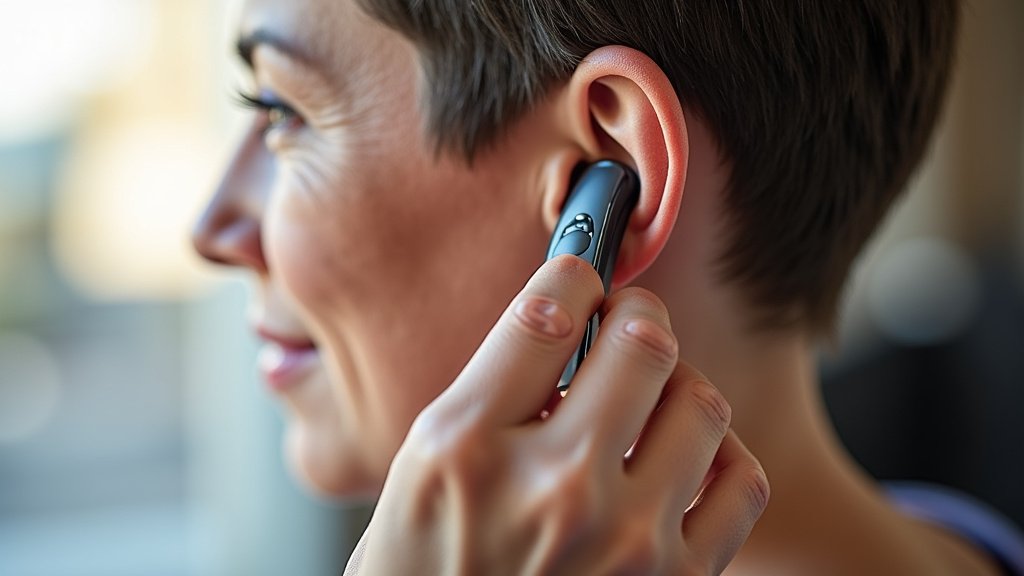
Many hearing aids connect to smartphone apps or have small remote controls. These can give you more control over your listening experience. You might be able to adjust volume, switch between programs, or even adjust the noise reduction level.
For instance, some apps allow you to create custom programs for specific environments. You might have a “Restaurant” program that’s optimized for noisy social settings. Experimenting with these controls can help you find what works best for you.
The Importance of Professional Guidance
Don’t try to figure everything out alone. Your audiologist is a hearing healthcare professional. They have the expertise to guide you through this adjustment period. They understand the challenges of hearing in noise. They can fine-tune your hearing aids to your specific needs.
Regular Audiologist Appointments
Schedule regular follow-up appointments with your audiologist. They can check your hearing aid’s fit and performance. They can also make adjustments based on your feedback. Tell them about the specific situations where you’re struggling with background noise.
Be honest about your experiences. Are certain sounds particularly bothersome? Do you feel like you’re missing conversations? Your audiologist can make programming changes to help. They might also suggest specific listening strategies.
Learning Listening Strategies
Beyond technology, there are behavioral strategies you can adopt. Facing the person you’re talking to is crucial. Make eye contact. This helps you pick up on visual cues like lip movements and facial expressions. These cues are a natural part of communication.
Try to reduce other distractions when you need to focus on conversation. If you’re at a noisy table, can you move to a quieter spot? Sometimes, politely excusing yourself for a moment can help you regroup. Learning to manage your environment is as important as managing your hearing aids.
Your Hearing Aid Adjustment Checklist
Here’s a quick recap to keep you on track. Remember, this is a journey, and every step forward is progress!
- Be patient: Your brain needs time to adjust.
- Start quiet: Begin in low-noise environments.
- Gradually increase: Slowly expose yourself to more complex sounds.
- Use features: Learn about and use your hearing aid’s noise reduction and directional microphones.
- Practice listening: Face speakers and use visual cues.
- Consult your audiologist: They are your partner in this process.
Conclusion
Getting used to background noise with new hearing aids is a journey. Your brain is capable of amazing adaptation. By being patient and taking a gradual approach, you’ll find yourself more comfortable in busy environments. Remember to utilize your hearing aid’s features and rely on your audiologist. They are your partners in this adjustment process. Start practicing listening strategies today to regain confidence in social settings. You’ve got this!
Frequently Asked Questions
How long does it typically take to get used to background noise with new hearing aids?
The adjustment period varies for everyone. Most people find significant improvement within a few weeks to a couple of months. Consistency with practice and patience are key factors in this timeframe. Your brain needs time to retrain its sound processing abilities. The adjustment period varies for everyone, but consistency is key.
What if I feel overwhelmed by noise even after trying to adjust?
It’s okay to feel overwhelmed sometimes. If you’re struggling, reach out to your audiologist. They can fine-tune your hearing aid settings to better manage noise. Discuss specific situations that are challenging for you during your next appointment.
Are there specific exercises I can do to help my brain adjust to noise?
Yes, you can practice active listening. Try focusing on one speaker in a moderately noisy room, like a coffee shop. You can also listen to podcasts or audiobooks with background sounds playing softly. Gradually increase the complexity of the sound environment as you improve.
Can my hearing aid settings be adjusted for different noisy environments?
Absolutely. Many modern hearing aids offer multiple programs. Your audiologist can set up custom programs for specific situations, such as restaurants or group gatherings. Using your hearing aid app or remote control can also help you switch between these settings.
Is it normal for speech to sound muffled or unclear in noisy places with new hearing aids?
Yes, this can be a common initial experience. Your brain is learning to differentiate speech from background sounds. Using directional microphones and noise reduction features can significantly help. Continued practice and audiologist adjustments will improve speech clarity over time.