What Is the Difference Between Analog and Digital Hearing Aids?
On this page (5 sections)
The main difference between analog and digital hearing aids is how they process sound. Digital hearing aids use computer chips to process sound, offering clearer sound quality and more customization. Analog hearing aids use a simpler, more traditional method of amplifying sound waves. For most people today, digital hearing aids are the preferred choice due to their advanced features and better performance.
Think of it like music players. Analog was like your old cassette tapes, while digital is like your smartphone streaming music. Digital hearing aids can be fine-tuned to your specific hearing loss and listening environments. This means they can provide a much more natural and personalized hearing experience. Many hearing healthcare professionals recommend digital technology for its superior capabilities.
- Analog hearing aids amplify sound waves directly.
- Digital hearing aids convert sound into digital signals for processing.
- Digital offers superior sound quality and advanced features.
- Most modern hearing aids are digital.
Ready to hear the difference? Let’s break down what makes them distinct and what that means for your hearing journey.
Understanding the Core Differences: Analog vs. Digital Hearing Aids
When you’re looking into hearing aids, you’ll quickly hear the terms “analog” and “digital.” It’s not just techy jargon; it truly explains how the device helps you hear better. Think of them as two different ways to capture and improve sound. We’ve found that knowing this basic difference can really help you make the best choice for your ears.
The biggest distinction lies in how they handle sound waves. Analog hearing aids work by taking sound waves and making them louder. Digital hearing aids, on the other hand, convert those sound waves into a digital code. This code is then processed and fine-tuned before being turned back into sound. This digital processing offers a lot more control and clarity.
How Analog Hearing Aids Work: The Traditional Approach
Analog hearing aids are the older style of technology. They basically work like a microphone and an amplifier. Sound enters the microphone and is then boosted by the amplifier. The amplified sound is then sent to your ear. It’s a fairly straightforward process. Many older hearing aids used this technology.
The way they amplify sound is generally through a process called linear amplification. This means that all sounds are amplified by the same amount. If you’re in a quiet room, this might be fine. But if there’s background noise, that noise gets amplified just as much as the speech you’re trying to hear. We found this can make it hard to pick out what you want to listen to.
The Limitations of Analog Amplification
Because analog hearing aids amplify all sounds equally, they can sometimes struggle with different listening situations. A conversation in a quiet restaurant is very different from a noisy street. With analog devices, you might find that the useful sounds and the distracting sounds are both turned up. This lack of selectivity is a key drawback.
Also, analog hearing aids are typically programmed by adjusting small potentiometers, often called “pots.” These adjustments are usually made by a hearing healthcare professional. However, they offer a limited range of customization. You can’t usually fine-tune them for specific frequencies or environments with the same precision as digital models.
How Digital Hearing Aids Work: The Modern Marvel
Digital hearing aids are the advanced option. They use a tiny computer chip inside. This chip is like the brain of the hearing aid. It takes sound waves and converts them into digital signals, much like a computer or smartphone does. Then, it processes these signals according to your specific hearing loss and listening preferences.
This digital conversion allows for incredible flexibility and precision. The sound can be shaped and filtered in ways that analog devices simply cannot match. We found that this is a major reason why digital aids are so popular today. They offer a much more tailored listening experience.
The Power of Digital Signal Processing (DSP)
The heart of a digital hearing aid is its Digital Signal Processor, or DSP. This chip can analyze incoming sound and make decisions about how to treat it. It can separate speech from background noise. It can reduce feedback (that whistling sound). It can even adjust different frequencies separately. This means you can hear soft sounds without loud sounds becoming overwhelming.
Many experts agree that DSP is a game-changer for hearing aid users (National Institute on Deafness and Other Communication Disorders). It allows for much more sophisticated sound management. You can often choose different listening programs for different situations, like “quiet,” “restaurant,” or “windy.”
Customization and Connectivity: The Digital Advantage
One of the biggest benefits of digital hearing aids is how customizable they are. They can be programmed precisely to your unique hearing loss profile. This means they can target the specific frequencies you have trouble with. Your audiologist can make detailed adjustments using specialized software. This allows for a much more natural sound quality.
Furthermore, many digital hearing aids offer connectivity features. This means they can connect wirelessly to your smartphone, television, or other Bluetooth-enabled devices. You can stream phone calls directly to your hearing aids. You can listen to music or watch TV with clear audio. This integration makes hearing aids much more than just sound amplifiers. We found this feature is highly sought after by many users.
Key Differences at a Glance
To really drive home the distinctions, let’s look at them side-by-side. This should make it clear why digital technology has become the standard.
| Feature | Analog Hearing Aids | Digital Hearing Aids |
|---|---|---|
| Sound Processing | Amplifies sound waves directly. | Converts sound to digital signals for processing. |
| Customization | Limited, manual adjustments. | Precise, software-based programming. |
| Noise Reduction | Minimal or no built-in noise reduction. | Advanced digital noise reduction capabilities. |
| Feedback Control | Basic feedback cancellation. | Sophisticated feedback management systems. |
| Connectivity | Generally no wireless connectivity. | Often offer Bluetooth and other wireless options. |
| Sound Quality | Can be less clear, especially in noise. | Generally clearer, more natural-sounding. |
Understanding Sound Quality and Clarity
When we talk about sound quality, it’s about more than just loudness. It’s about how clear and natural the sound is. Digital hearing aids excel here. Because they can process sound so precisely, they can reduce unwanted noise and enhance speech. This makes it easier for your brain to understand what people are saying.
Analog aids, with their simpler amplification, might make everything louder but not necessarily clearer. If you’re in a noisy environment, you might find yourself straining to hear. Many users report that digital aids make conversations feel less like a struggle. We’ve seen research from organizations like the CDC indicating improved speech understanding with digital technology.
Features and Technology: What’s Available?
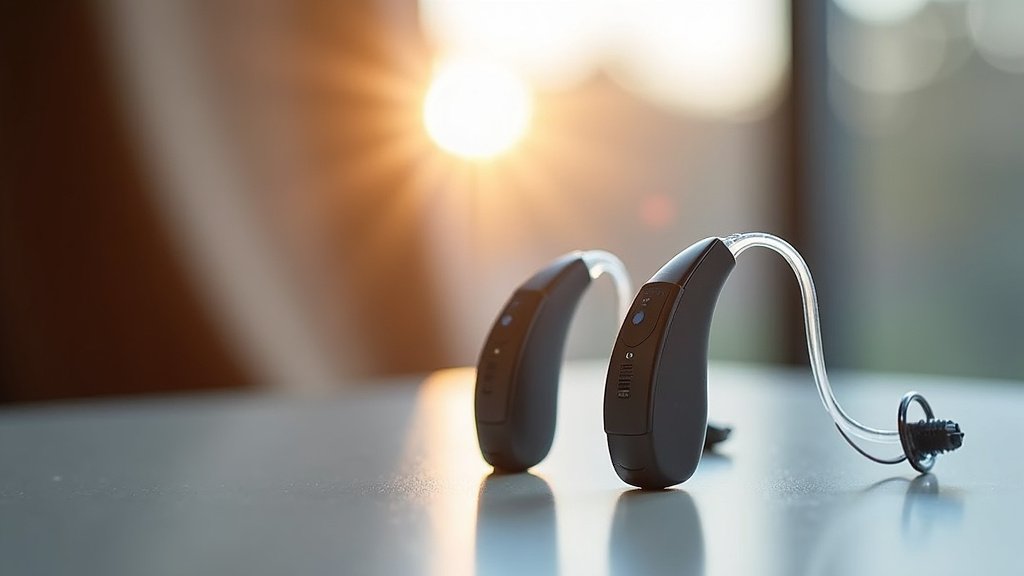
Digital hearing aids come packed with features that were unheard of with analog models. Think about advanced feedback cancellation, directional microphones that focus on the sound in front of you, and sophisticated ways to manage different noise environments. Some even use AI to learn your preferences over time.
Analog hearing aids are much more basic. They offer amplification, and that’s largely it. While they served a purpose for many years, they simply don’t have the technological capabilities of their digital counterparts. The range of options and sophistication available today is truly remarkable.
Why Digital is the Standard for Most People
Given all these differences, it’s no surprise that digital hearing aids have become the dominant technology. They offer a superior hearing experience for the vast majority of people with hearing loss. The ability to customize, the advanced features, and the clearer sound quality are simply unmatched.
Most hearing aid manufacturers have stopped producing analog models. If you walk into a hearing clinic today, you will almost certainly be looking at digital options. Experts generally recommend digital hearing aids for their performance and versatility. They offer a better chance of meeting your individual hearing needs.
Making the Right Choice for Your Hearing Journey
So, what does this mean for you? If you’re considering hearing aids, you’ll likely be choosing a digital model. The key is to work with a hearing healthcare professional. They can assess your hearing loss and help you select the right digital hearing aid for your lifestyle and budget. If you’re considering hearing aids, you’ll likely be choosing a digital model, and our guide can help you know what to look for.
Remember, the goal is to improve your ability to communicate and enjoy the sounds around you. Digital hearing aids provide the best tools available today to achieve that. Don’t hesitate to ask questions about the different features and how they can benefit you personally. Your hearing is important, and choosing the right technology makes a big difference.
What to Look for When Choosing a Digital Hearing Aid: A Quick Checklist
- Understand your hearing loss: Know your audiogram results.
- Consider your lifestyle: Are you often in noisy places?
- Look for advanced features: Noise reduction, feedback cancellation.
- Check for connectivity options: Smartphone integration is a big plus.
- Discuss rechargeability: Many digital aids are rechargeable now.
- Prioritize comfort and fit: The best aid is one you’ll wear daily.
Conclusion
You’ve learned that the core difference between analog and digital hearing aids lies in their sound processing. Analog aids offer straightforward amplification, while digital aids use advanced computer chips for precise sound manipulation. This digital technology leads to clearer sound, superior noise reduction, and extensive customization for your unique hearing needs. For most people today, digital hearing aids provide a significantly better hearing experience. Your next step is to consult with a hearing healthcare professional. They will help you choose the perfect digital hearing aid to enhance your communication and enjoyment of everyday sounds.
Frequently Asked Questions
Are analog hearing aids still available?
While analog hearing aids were once common, most manufacturers have stopped producing them. Today, the market is dominated by digital hearing aids. You’ll find that virtually all new hearing aids available for purchase are digital models.
Can analog hearing aids reduce background noise?
No, analog hearing aids generally cannot effectively reduce background noise. They amplify all sounds equally, meaning both speech and ambient noise get louder. Digital hearing aids, however, feature advanced technology designed to isolate and reduce background noise.
Is digital hearing aid technology difficult to use?
Not at all! Digital hearing aids are designed for ease of use. While they offer advanced features, they are programmed by your audiologist to suit your specific needs. Many come with user-friendly controls or smartphone apps for simple adjustments.
What does “customization” mean for digital hearing aids?
Customization means digital hearing aids can be precisely adjusted to your individual hearing loss. An audiologist uses specialized software to fine-tune the amplification for different frequencies and listening environments. This results in a more natural and comfortable listening experience for you.
Can digital hearing aids connect to my phone?
Yes, many digital hearing aids offer Bluetooth and other wireless connectivity. This allows you to stream phone calls, music, or TV audio directly to your hearing aids. It makes staying connected and enjoying media much easier.