Can You Replace a Hearing Aid Receiver Yourself?
On this page (6 sections)
No, you generally cannot replace a hearing aid receiver yourself without proper training. Hearing aid components are delicate and specific to your device. Trying to fix it yourself could cause more damage or void your warranty.
Your hearing aid needs precise care. Professional handling ensures the correct part is installed. It also guarantees your device works its best for your hearing needs. We found that most manufacturers do not support DIY repairs for receivers.
- DIY receiver replacement is not recommended.
- You might damage your hearing aid further.
- It could void your device’s warranty.
- Hearing aid components are very specific.
- Always seek help from a hearing care professional.
Let’s walk through why receiver replacement is best left to the experts and what your options are if yours needs attention.
Why Self-Replacing Your Hearing Aid Receiver Isn’t Recommended
Attempting to replace your hearing aid receiver yourself comes with significant risks. These devices are precision-engineered tools. They require expert handling for maintenance and repair.
We found that hearing aid manufacturers design these units with specific components. They fit together in a precise way. Trying to force parts or use incorrect tools can cause irreversible damage.
The Delicate Nature of Hearing Aid Components
Think of your hearing aid like a tiny, sophisticated computer. Each part, especially the receiver, is extremely small and fragile. These components are not meant for general consumer access.
The receiver itself contains a tiny speaker. This speaker converts electrical signals back into sound. It’s housed in a small casing and connected by fine wires. Any bending or pressure can break these internal connections.
You might not even see the damage happening. It could be microscopic. Yet, it can completely stop your hearing aid from working. Or, it could cause it to produce distorted sound.
Risk of Causing Further Damage
What happens if you try to pull out a receiver that’s not designed for user removal? You could inadvertently tug on internal wires. You might crack the casing of the hearing aid itself.
We’ve heard stories where well-meaning individuals have accidentally broken the tubing. Or they’ve damaged the delicate circuit board. These types of repairs are very costly, if even possible.
It’s like trying to fix the engine of a tiny watch without the right tools or training. You might make the problem much worse. This often leads to a need for a full replacement of the device.
Voiding Your Warranty
This is a big one. Almost all hearing aid manufacturers have strict warranty policies. They state that unauthorized repairs void the warranty.
If you open up your hearing aid, even to just look, you could lose your coverage. This means if something else goes wrong later, you’d be paying for the full repair or replacement out of pocket. This can be quite expensive.
Always check your warranty information. We found that most clearly state that professional service is required for any internal issues. Don’t risk losing your investment.
Understanding Your Hearing Aid’s Receiver
Let’s talk about what the receiver does. It’s a key part of your hearing aid system. Understanding its role helps explain why it’s so important to handle it with care.
The receiver is often called the “speaker” of your hearing aid. It takes the amplified sound signals from the processor. Then, it sends these sounds into your ear canal. This is how you actually hear better.
Its placement is critical. It needs to sit just right in your ear for optimal sound delivery. A poorly seated or damaged receiver can greatly reduce the effectiveness of your hearing aid.
Types of Receivers and Their Placement
Receivers aren’t all the same. Their design depends on the type of hearing aid you have. This also affects how they’re handled.
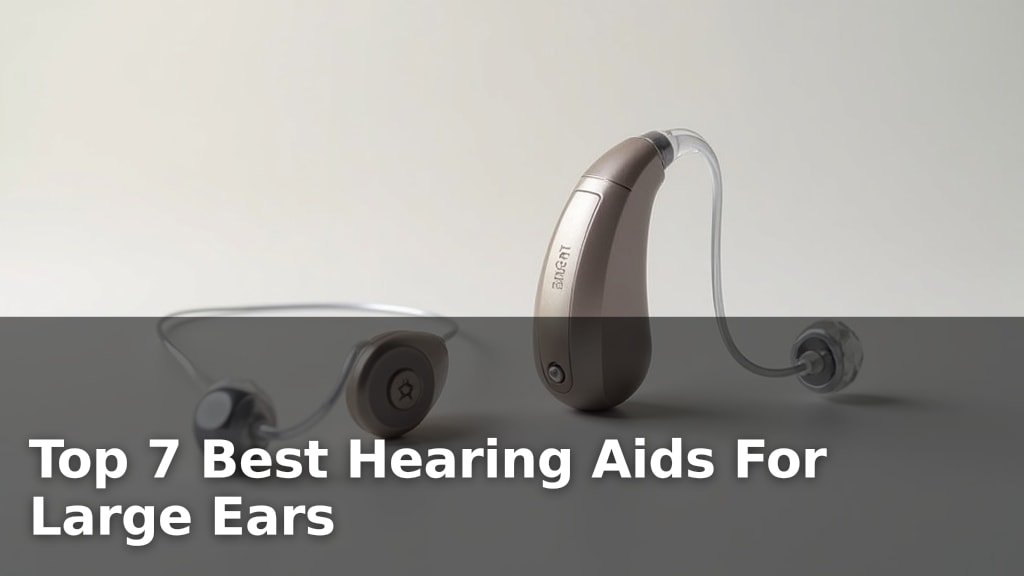
- Receiver-in-Canal (RIC) Hearing Aids: These are very common. The receiver sits directly in your ear canal. It connects to the main hearing aid body with a thin wire. This wire can be delicate.
- Behind-the-Ear (BTE) Hearing Aids: For these, the receiver is usually built into the main unit behind your ear. Sound travels through a tube and an earmold into your ear. Issues here are more often with the tubing or earmold.
- In-the-Ear (ITE) / In-the-Canal (ITC) / Completely-in-Canal (CIC) Hearing Aids: For these custom-fit devices, the receiver is integrated inside the custom shell. Accessing it requires special tools and expertise.
As you can see, different types require different approaches. Your hearing care professional knows these differences well.
When a Receiver Might Need Replacing
How do you know if your receiver is the problem? There are several tell-tale signs. It’s important to recognize them so you can seek help promptly.
- No sound at all: This is an obvious sign. If your hearing aid is on and charged, but you hear nothing, the receiver might be dead.
- Intermittent sound: Sound cuts in and out. This could be a loose connection or internal damage.
- Distorted sound: Sounds might be muffled, scratchy, or unclear. This suggests the speaker within the receiver is failing.
- Lower volume than usual: Even with the volume turned up, sounds seem too quiet. This could indicate a partial failure.
- Feedback or whistling: While sometimes caused by a poor fit, it can also be a sign of a compromised receiver or tubing.
If you notice any of these issues, it’s time to contact your hearing care professional. They can properly diagnose the problem.
The Professional Way to Handle Receiver Issues
When your receiver acts up, the best path is always through your hearing care professional. They have the knowledge, tools, and experience to fix it right.
Your audiologist or hearing aid dispenser will first perform a thorough diagnostic check. They’ll test the device’s components. They’ll rule out simpler issues first.
We found that often, a receiver issue might actually be something else. It could be a clogged wax guard, a dead battery, or even moisture damage. A professional can quickly pinpoint the true cause.
What a Professional Does During a Receiver Replacement
So, what does the process look like when an expert replaces a receiver? It’s more involved than you might think.
- Initial Inspection: They’ll visually check your hearing aid for obvious damage.
- Diagnostic Testing: Using specialized equipment, they’ll confirm the receiver is faulty.
- Careful Disassembly: For RICs, they carefully disconnect the old receiver. For BTEs or custom aids, they might need to open the main casing. This requires specific tiny tools.
- Receiver Selection: Receivers come in different power levels and lengths. They select the exact replacement needed for your hearing loss and device. (Cleveland Clinic)
- Precise Installation: The new receiver is carefully seated and connected. This ensures proper electrical contact and physical fit.
- Functionality Check: They test the hearing aid to ensure the new receiver is working correctly.
- Programming Adjustment: Sometimes, a new receiver might require slight adjustments to your hearing aid’s programming. This ensures optimal sound quality.
- Fit Check: They’ll ensure the receiver and dome/earmold still fit comfortably and correctly in your ear.
This detailed process ensures your hearing aid works perfectly again. It also maintains its longevity and warranty.
Cost Considerations for Receiver Replacement
You might be wondering about the cost. It varies. It depends on your hearing aid model and your warranty status.
A new receiver can range from $100 to $300 or more. This usually includes the professional’s labor. Some hearing aid purchases include a repair warranty. This might cover the cost.
If your device is out of warranty, you’ll likely pay for the part and labor. We found that trying to save money with DIY repairs often leads to greater expenses in the long run.

Your Options When Your Receiver Fails
Don’t panic if your hearing aid receiver stops working. You have clear, reliable options. The main goal is to restore your hearing quickly and safely.
The best first step is always to contact your hearing care professional. They are your primary resource for all hearing aid issues. They know your specific device and your hearing needs.
Here’s a quick checklist of what to do:
- Check basic troubleshooting steps (e.g., battery, wax guard).
- Gather your hearing aid’s make, model, and serial number.
- Locate your warranty information if possible.
- Schedule an appointment with your audiologist or dispenser.
- Explain the symptoms clearly during your visit.
Manufacturer-Approved Repair Services
Hearing aid manufacturers typically have their own repair centers. Your professional might send your device there if the repair is complex. This ensures original parts and certified technicians are used.
These services are usually quite efficient. They aim to get your hearing aid back to you as quickly as possible. They follow strict quality control procedures. This maintains the integrity of your device.
The Importance of Regular Maintenance
While you can’t replace a receiver yourself, you can do a lot to prevent issues. Regular cleaning and maintenance are crucial. This extends the life of your receiver and your entire hearing aid.
Your professional can show you how to:
| Maintenance Task | Why It Helps the Receiver |
|---|---|
| Clean the dome/earmold daily | Prevents wax buildup from blocking sound. |
| Change wax guards regularly | Keeps wax from entering and damaging the receiver. |
| Store hearing aids in a dry environment | Protects against moisture damage to delicate electronics. |
| Handle with clean, dry hands | Reduces oil and dirt transfer to components. |
These simple habits can save you a trip to the professional. They also help you hear clearly every day. Remember, prevention is better than repair, especially with something as important as your hearing.
Conclusion
While the thought of a quick fix for your hearing aid’s receiver might be tempting, attempting a DIY replacement just isn’t worth the risk. We’ve seen how delicate these components are and the potential for greater damage or voiding your warranty. Always remember that your hearing aid is a sophisticated medical device. It requires expert attention.
Trust your hearing care professional. They have the specialized tools and training to diagnose and resolve receiver issues safely and effectively. Reaching out to them ensures your hearing aid continues to provide clear sound and serves you well for years to come.
Frequently Asked Questions
How long does a hearing aid receiver typically last?
A hearing aid receiver’s lifespan can vary, but it often lasts between 1 to 3 years. Factors like earwax buildup, moisture exposure, and daily use can impact its longevity. Regular cleaning and maintenance can help extend its life.
Can a faulty receiver affect my hearing aid’s sound quality?
Yes, absolutely. A faulty receiver is one of the most common reasons for poor sound quality. It can cause static, distortion, intermittent sound, or even a complete loss of amplification. This is why professional diagnosis is so important.
Is receiver replacement covered by my hearing aid warranty?
Many hearing aid warranties do cover receiver replacement, especially if the fault is due to manufacturing defects or normal wear and tear. Always check your specific warranty documentation. Your hearing care professional can also help you understand your coverage.
Can I clean the inside of my receiver to fix it?
No, you should never attempt to clean the inside of your hearing aid receiver. It contains tiny, delicate electronics that are easily damaged by foreign objects or liquids. Stick to cleaning the exterior components as instructed by your professional.
What are common signs that my hearing aid receiver needs professional attention?
Look out for a complete lack of sound, sound cutting in and out, distorted or scratchy audio, or a significant decrease in volume. If your hearing aid isn’t performing as it should, these are clear indicators that your receiver might need professional care.