How Long Do Hearing Aids Last?
On this page (5 sections)
On average, most hearing aids last between three to seven years. However, we found that with proper care, some can function well for up to ten years or even longer.
The lifespan of your hearing aid really depends on a few things. If you recently got hearing aids, our guide explains the adjustment period. Factors like how often you wear them, your daily lifestyle, and how well you clean them all play a role. Even the type of hearing aid you have can make a difference.
- Most hearing aids last 3-7 years.
- Proper care extends lifespan.
- Daily use and lifestyle affect durability.
- Different types have varied lifespans.
Let’s walk through everything you need to know about keeping your hearing aids working their best for as long as possible.
What Influences the Lifespan of Your Hearing Aids?
Most hearing aids will serve you well for between three and seven years. However, what makes one pair last longer than another?
Several key factors determine how long your devices will function optimally. Understanding these can help you maximize their life.
Your Lifestyle and Daily Habits
Your everyday routine plays a big part in how long your hearing aids last. Think about what you do each day.
Moisture Exposure
Do you live in a humid climate? Are you someone who sweats a lot, or enjoys swimming? Moisture is a hearing aid’s enemy.
Even small amounts of moisture can corrode internal components over time. This is a common reason for early device failure.
Physical Activity Levels
If you’re very active, your hearing aids might experience more wear and tear. Bumps, drops, and increased exposure to dust and sweat can all take a toll.
We found that people with more sedentary lifestyles often see their devices last longer. It’s simply less opportunity for accidental damage.
Personal Hygiene
Earwax is natural, but it can be problematic for hearing aids. Wax buildup can clog receivers and microphones, impacting sound quality and eventually leading to damage.
Regular cleaning is not just about clear sound; it’s about protecting your investment from daily grime.
The Type and Quality of Your Hearing Aid
Not all hearing aids are created equal. The specific model you choose can also affect its durability.
Behind-the-Ear (BTE) vs. In-the-Ear (ITE) Devices
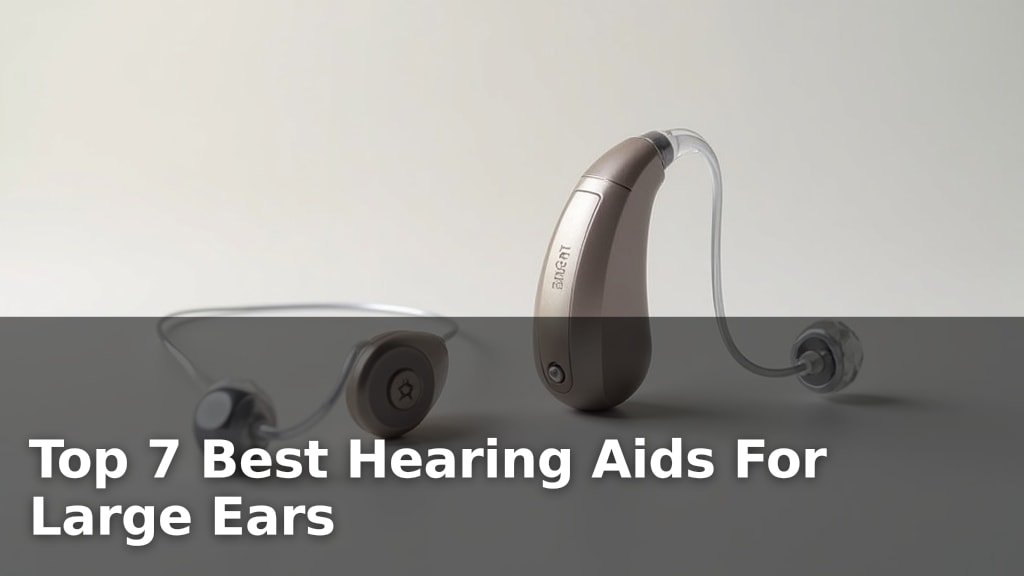
Generally, Behind-the-Ear (BTE) hearing aids tend to last longer than In-the-Ear (ITE) models. Why is this?
BTE devices have most of their electronics housed in a case behind your ear, away from the ear canal. This means less exposure to earwax and moisture.
ITE, ITC (in-the-canal), and CIC (completely-in-canal) models sit directly in the ear. This constant contact with the ear canal makes them more vulnerable to moisture and wax damage (American Speech-Language-Hearing Association).
Component Quality and Brand Reputation
Just like cars, some hearing aid brands are known for their reliability and use higher-quality components. These often come with a higher price tag initially but can save you money in the long run.
Reputable manufacturers often use more durable materials and conduct more rigorous testing. This contributes to a longer life for their devices.
Maintenance and Care Routines
This is perhaps the most significant factor you can control. Your care routine makes a huge difference.
Daily Cleaning Habits
Think of your hearing aids like tiny, sophisticated computers. They need regular upkeep. A quick daily wipe-down can remove earwax and debris.
Using the small brush and wax pick tools provided by your audiologist is key. This prevents buildup from becoming a bigger problem.
Proper Storage
Where do you keep your hearing aids when you’re not wearing them? We found that leaving them on a nightstand is better than tossing them into a drawer.
Using a dehumidifier or drying kit overnight is highly recommended, especially if you live in a humid area or perspire a lot. This draws out any accumulated moisture.
Battery Management
Whether you use disposable or rechargeable batteries, managing them properly matters. For disposable batteries, opening the battery door at night helps to conserve power and air out the compartment.
Rechargeable batteries have a finite number of charge cycles. Following manufacturer guidelines for charging helps prolong the battery’s life and, by extension, the device’s overall performance.
Technological Advancements and Upgrades
Sometimes, your hearing aids might still work fine, but you might consider replacing them due to technology rather than failure.
The world of hearing aid technology is constantly evolving. Newer models often offer improved sound processing, better connectivity, and new features like artificial intelligence or fall detection.
You might find yourself wanting to upgrade after four or five years, even if your current devices are perfectly functional. This is a personal choice, not a failure of the device.
Signs It Might Be Time for a Replacement
How do you know when your hearing aids have reached the end of their useful life? It’s not always a sudden stop.
Often, there are tell-tale signs that indicate it’s time to consider new devices. Paying attention to these can save you frustration.
Frequent Repairs and Malfunctions
Are you visiting your audiologist more often than not for repairs? Do your hearing aids seem to break down shortly after being fixed?
If you’re spending a lot of money and time on repairs, the cost might start to outweigh the benefit. This is a clear signal that a replacement could be more economical.
We found that constantly needing repairs suggests the internal components are simply wearing out.
Deterioration in Sound Quality
Do voices sound muffled, even after cleaning? Is the volume inconsistent? Are you missing more words than before?
A decline in sound quality that can’t be fixed by cleaning or minor adjustments is a strong indicator. Your hearing aids might no longer be providing the clear sound you need.
Outdated Technology and Lack of Features
As mentioned, technology moves fast. Your five-year-old hearing aids might lack features that could greatly improve your listening experience today.
If you find newer models offer significant improvements in areas important to you — like Bluetooth connectivity, better noise reduction, or clearer speech in challenging environments — it might be time to upgrade.
Changes in Your Hearing Needs
Sometimes, your hearing itself changes. If your hearing loss has progressed, your current devices might no longer be powerful enough to provide adequate amplification.
Regular hearing tests with your audiologist are crucial. They can determine if your prescription needs have changed and if new hearing aids would better suit your current hearing profile (National Institute on Deafness and Other Communication Disorders).
Tips for Extending the Life of Your Hearing Aids
You have a lot of control over how long your hearing aids last. Following some simple best practices can add years to their lifespan.
Think of it as giving your devices the care they deserve. This protects your investment and ensures consistent performance.
| Action | Why It Helps |
|---|---|
| Clean daily | Removes earwax and debris, preventing blockages and damage. |
| Use a dehumidifier | Draws out moisture that can corrode internal electronics. |
| Store safely | Protects from accidental drops, pets, and extreme temperatures. |
| Handle with care | Avoids physical trauma that can break delicate components. |
| Regular professional check-ups | Allows for deep cleaning, minor repairs, and early detection of issues. |
Your Essential Hearing Aid Care Checklist
Keep this simple checklist in mind to give your hearing aids the longest possible life. It’s about consistency.
- Clean your hearing aids every single day with a soft, dry cloth and the tools provided.
- Open the battery doors overnight (for disposable batteries) to air them out and conserve power.
- Place your devices in a drying box or dehumidifier each night to combat moisture.
- Keep them away from extreme temperatures and direct sunlight.
- Handle them over a soft surface to minimize damage if dropped.
- Schedule regular check-ups with your audiologist for professional cleaning and maintenance.
The Role of Your Audiologist
Your audiologist is more than just a person who sells you hearing aids. They are a crucial partner in their ongoing care.
Regular appointments allow them to perform thorough cleanings that you can’t do at home. They can also inspect for signs of wear and tear, and often make minor adjustments or repairs on the spot.
Think of these appointments as preventative maintenance for your valuable devices. It’s like taking your car in for an oil change to keep it running smoothly.
Conclusion
You now know that your hearing aids typically last between three and seven years, but you have a big say in that timeframe. Your daily habits, the type of device you choose, and especially your commitment to care routines directly impact their longevity.
By staying vigilant with cleaning, storing them properly, and getting regular professional check-ups, you can significantly extend their life. Don’t wait until they fail completely; pay attention to signs like frequent repairs or declining sound quality. Investing a little time in maintenance will ensure your hearing aids continue to provide you with clear sound for as long as possible.
Frequently Asked Questions
Will my hearing aid warranty cover repairs if it breaks?
Most new hearing aids come with a manufacturer’s warranty, often lasting one to three years. This usually covers defects and some repairs. Always check the specific terms of your warranty for details.
Can extreme temperatures really damage my hearing aids?
Yes, both extreme heat and cold can harm your devices. High heat can damage internal electronics and batteries, while cold can cause condensation. Always protect them from direct sunlight and freezing temperatures.
Is it worth getting older hearing aids repaired, or should I always replace them?
It depends on the repair cost and the age of the device. If repairs are minor and your hearing aids are still relatively new, it might be cost-effective. However, if repairs are frequent or costly, and your devices are several years old, a replacement often makes more sense.
How often should I get my hearing aids professionally cleaned?
We found that scheduling professional cleanings with your audiologist every three to six months is ideal. They have specialized tools to remove stubborn wax and debris, ensuring optimal performance.
Does wearing my hearing aids constantly shorten their lifespan?
Not necessarily. While constant use means more exposure to daily elements like sweat and earwax, consistent daily care can offset this. Regular cleaning and proper overnight drying are more important than how many hours you wear them.