Why Is My Hearing Aid Whistling?
On this page (4 sections)
Your hearing aid is whistling because sound is escaping and re-entering the microphone, creating a feedback loop. This often happens when the sound coming out of your hearing aid gets picked up by its own microphone again. It’s a common issue, and usually, there’s a simple explanation for this whistling sound.
This annoying feedback can be surprising, can’t it? We understand it’s frustrating when your hearing aid doesn’t work as expected. Thankfully, most whistling noises are easy to fix at home or with a quick visit to your audiologist. Knowing the cause is the first step to restoring clear sound.
TL;DR:
- Whistling means sound is escaping and re-entering the microphone.
- Common causes include poor fit or earwax buildup.
- Adjusting your hearing aid can often resolve the issue.
- Dirty earmolds or tubes might also be to blame.
- Sometimes, professional help from an audiologist is best.
We’ll walk you through the most common reasons why your hearing aid might be whistling. Then, we’ll share straightforward solutions you can try today.
Common Reasons for Hearing Aid Whistling
Understanding hearing aid feedback is the first step to making the whistle stop. It’s often a sign that sound is leaking out and getting picked up again by the microphone. Think of it like a speaker too close to its own microphone – a classic feedback loop!
We’ve researched and found that most whistling issues fall into a few common categories. Let’s break them down for you.
Poor Fit or Placement
One of the most frequent culprits for a whistling hearing aid is a less-than-perfect fit. Your hearing aid needs to create a tight seal in or around your ear canal to prevent sound from escaping.
If the fit isn’t right, amplified sound can leak out. This escaping sound then travels back to the hearing aid’s microphone, creating that familiar whistling noise. It’s a bit like a tiny air leak in a tire – small, but noticeable.
Earmold or Dome Issues
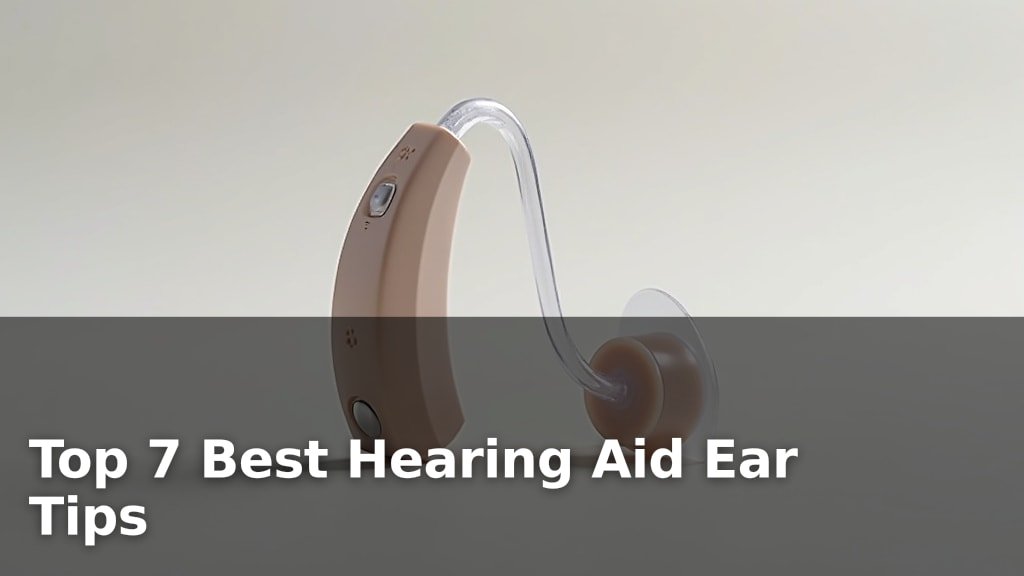
For behind-the-ear (BTE) hearing aids, the earmold or dome is crucial. If it’s too small, cracked, or has shrunk over time, it won’t create a good seal. This can cause sound to escape easily (National Institute on Deafness and Other Communication Disorders).
Similarly, an in-the-ear (ITE) or in-the-canal (ITC) hearing aid might whistle if its casing doesn’t fit snugly anymore. Our ears change shape slightly over time, which can affect the fit of your custom-made device.
Improper Insertion
Sometimes, the hearing aid simply isn’t inserted correctly. Are you sure it’s seated deeply and securely in your ear canal? If it’s just a little bit out, sound can leak around the edges.
Take a moment to re-insert it carefully. Give it a gentle push to ensure it’s fully in place. You might be surprised how often this simple adjustment fixes the problem.
Earwax Buildup
Ah, earwax – the bane of many a hearing aid user! Earwax, or cerumen, is a natural and healthy part of your ear’s defense system. However, too much of it can become a real problem for your hearing aid.
When earwax builds up in your ear canal, it acts like a plug. This plug can block the path of sound coming from your hearing aid, forcing the sound to bounce back. Where does it go? Right back to the microphone, causing feedback.
We’ve found that this is a very common reason for whistling, especially if you haven’t cleaned your ears or had them checked recently.
Obstructions in the Sound Path
Beyond earwax, other things can get in the way of your hearing aid’s sound delivery. These obstructions can act like mini-dams, diverting sound back to the microphone.
Blocked Earmold or Tubing
For BTE hearing aids, the thin tube connecting the device to the earmold can become blocked. Debris, moisture, or even a tiny bit of earwax can partially or fully clog the tube. When the sound can’t get out efficiently, it creates a backup.
Similarly, the small opening in your earmold (the sound bore) can get plugged. A quick visual check can often reveal these blockages.
Microphone or Receiver Issues
Less common, but still possible, are issues with the hearing aid itself. Sometimes, the microphone input or the receiver output can become partially blocked. Dust, lint, or moisture can accumulate over time.
This internal blockage means the sound isn’t moving freely. The hearing aid then tries to compensate by amplifying more, leading to a higher chance of feedback and whistling.
Volume Too High
Are you turning up the volume on your hearing aid more than usual? While it might seem like a good idea to hear better, cranking the volume too high can actually cause whistling.
When the volume is excessively loud, the sound waves are more powerful. This increases the likelihood that some of that amplified sound will leak out and get picked up by the microphone, even if the fit is otherwise good. It’s like trying to shout into a small room – the echoes become intense!
Damaged or Worn Components
Hearing aids are tough, but they’re not invincible. Over time, some parts can become worn or damaged, leading to whistling.
Cracked Tubing or Casing
For BTE hearing aids, the tubing connecting the main unit to the earmold can develop tiny cracks or become stiff and brittle. These small imperfections allow sound to escape. Once outside, the sound can easily make its way back to the microphone.
For custom in-the-ear styles, a hairline crack in the casing can also create a sound leak. These tiny cracks might be hard to spot with the naked eye but can make a big difference in sound quality.
Loose Connections
Sometimes, the problem isn’t a crack but a loose connection. Perhaps the earmold isn’t securely attached to the tubing, or the tubing isn’t firmly attached to the hearing aid. Any gap, no matter how small, can allow sound to escape.
It’s worth gently checking all connections to ensure they are snug and tight. You might hear a small click as you reseat a component.
When to Seek Professional Help
While many whistling issues can be resolved at home, there are times when an audiologist’s expertise is needed. If you’ve tried all the home remedies and the whistling persists, don’t hesitate to reach out to your hearing care professional.
They can perform a thorough check of your hearing aid, inspect your ear canal, and make any necessary adjustments or repairs. Sometimes, a professional cleaning or a new earmold is all it takes to silence the whistle.
Your Whistling Hearing Aid Checklist
Before you get too worried, run through this quick checklist. Many times, the solution is right at your fingertips.
- Is your hearing aid inserted correctly and snugly?
- Do you have any visible earwax buildup in your ear canal or on the hearing aid?
- Are the tubes or earmold blocked or cracked?
- Is the volume setting too high for your current environment?
- Are there any loose connections between parts of your hearing aid?
If you check these items, you’re well on your way to understanding and fixing your whistling woes!
Conclusion
Dealing with a whistling hearing aid can be frustrating, but remember, it’s a very common issue with many straightforward solutions. We’ve covered everything from a poor fit and earwax buildup to internal obstructions and even just turning the volume too high. By understanding the common causes, you’re already on your way to a quieter experience.
Most times, a quick adjustment or cleaning at home is all it takes to stop the feedback. If you’ve worked through the checklist and the whistling continues, don’t hesitate. Reach out to your audiologist. They can expertly diagnose the problem and get your hearing aid back to providing clear, comfortable sound.
Frequently Asked Questions
Can a new hearing aid also whistle?
Yes, even brand-new hearing aids can whistle if they aren’t fitted properly. A new device still needs to create a good seal in your ear. Sometimes, minor adjustments are needed to get the fit just right, even with custom molds.
Does whistling mean my hearing aid is broken?
Not usually! Whistling is more often a sign of a common, fixable issue like a poor fit or earwax. While damage can sometimes cause it, most whistling can be resolved with simple steps before you need to consider repairs.
Why does my hearing aid whistle only when I chew or yawn?
When you chew or yawn, the shape of your ear canal can change slightly. This temporary movement can break the seal your hearing aid has with your ear. This allows sound to leak out and get picked up by the microphone, causing a brief whistle.
Can my hair cause my hearing aid to whistle?
Yes, sometimes your hair, especially if it’s thick or worn behind your ear, can rub against the hearing aid’s microphone. This friction can create a whistling sound or other feedback. Try adjusting your hair to see if the whistling stops.
Is it bad to ignore a whistling hearing aid?
It’s best not to ignore a whistling hearing aid. The feedback sound can be annoying and might mean you aren’t getting the full benefit of your hearing aid. Persistent whistling can also indicate an underlying issue that needs attention, like excessive earwax or a damaged component.